-min.jpg)
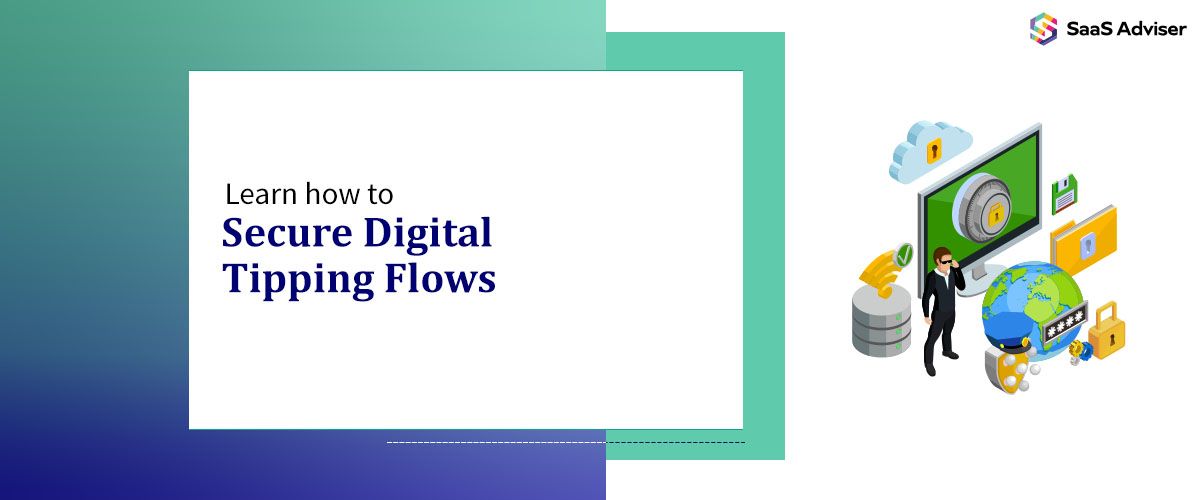
Digital tipping solutions are excellent for transparency and staff retention, but they also bring the risk of mobile fraud and chargebacks. With so many touchpoints in the digital journey, disputes are almost inevitable if you aren't prepared.
perators who view tipping as a simple add-on often find their income suffering from "death by a thousand cuts" through refunds and fraud. A dedicated prevention strategy ensures that your tipping ecosystem is both secure and fully auditable.
Why the Process Requires Dedicated Controls
Digital tipping is great for staff, but the backend is a lot more complicated than a normal sale. Between the time a guest tips and the staff gets paid, the money moves through various pools and balances, which can make it hard to prove a charge was valid if a guest complains later.
Because banks tend to favor the customer in these digital "card-not-present" cases, merchants need to be extra diligent. Clear, transaction-level records help you resolve disputes quickly, keeping the money in your employees' pockets and maintaining their trust in the system.
Where Chargebacks Emerge
Digital tipping chargebacks are usually based on a limited number of recurring cases.
Key triggers often include:
-
Guests who do not recognize the merchant descriptor on their bank statement.
-
Disputes where a guest claims a tip amount was altered after entry.
-
Situations where a guest believes a tip was added without consent.
-
Cases where service complaints later turn into payment disputes.
Each scenario calls for specific countermeasures, such as clearer receipts, consent screens, or dispute-resolution playbooks.
Fraud Risks Specific to Tipping Flows
Fraud in tipping flows can originate from external actors, internal abuse, or a mix of both. Guest-side fraud may involve stolen cards used for small transactions designed to test limits before larger purchases elsewhere. Internal issues may involve staff collusion or manipulation of manual-adjustment features.
Many operators now rely on digital tip pooling software to centralize distribution rules, reduce cash handling, and maintain clean audit trails. This consolidation also creates a single source of truth for investigations, but it increases the importance of strong authentication, access control, and detailed event logging at the platform level.
When assessing tipping-specific fraud risk, teams should focus on:
-
Controls for manual tip edits or adjustments after the initial entry.
-
Permissions for issuing refunds and the evidence required to justify them.
-
Device and location patterns that indicate abnormal tipping activity.
Practical Controls for Safer Digital Tipping
Fraud prevention does not have to cripple guest experience. Many practical safeguards can be embedded directly into interfaces, user journeys, and back-office workflows without adding friction for legitimate guests.
Operators can strengthen their tipping flows through steps such as:
-
Clear confirmation screens that summarize the base amount and tip before authorization.
-
Branded merchant descriptors and receipt templates that help guests recognize charges.
-
Strong role-based access for staff dashboards, especially around adjustments and payouts.
These measures reduce the likelihood that guests will feel surprised when they review statements while also constraining opportunities for misuse behind the scenes.
Monitoring, Investigation, and Policy Design
Even the best controls cannot eliminate every dispute. Continuous monitoring and clear policies ensure that when problems occur, teams act quickly and consistently.
Building a Monitoring Routine
Monitoring is more effective when it focuses on specific indicators rather than raw transaction volume. Analysts and managers should have simple dashboards that flag emerging issues early so they can respond before acquirers or card brands raise concerns.
Helpful indicators for digital tipping flows can include:
-
Chargeback counts and reasons segmented by location, channel, and card type.
-
Clusters of unusually high or low tip percentages during particular shifts.
-
Repeated disputes from the same device, IP range, or staff login.
Review meetings that occur on a fixed cadence, such as weekly or biweekly, allow teams to turn these signals into concrete improvement actions rather than leaving them as isolated alerts.
Policy and Training as Fraud Controls
Policies and training are often the most cost-effective fraud controls because they reduce opportunities for misuse and errors at the human level. Effective policy frameworks for tipping can include:
-
Written rules for when managers may authorize refunds, voids, or tip corrections.
-
Documentation requirements, such as notes or ticket IDs, for any manual changes.
-
Escalation paths for suspected internal abuse, with confidentiality protections.
Such frameworks should be accompanied by training modules illustrating the rules as well as the rationale of these rules. In the cases where the staff get to understand the impact of chargebacks on revenue, card-network relations, and even the stability of payouts, they tend to adhere to procedures more strictly.
Read our article about employee recognition software to discover practical ways to improve staff management and build stronger, more engaged teams.
Turning Digital Tipping Into a Controlled Asset
Through careful crafting of chargeback prevention, fraud management, and surveillance, as well as policy, tipping flows may be a trusted part of the payments ecosystem. The 4operators can have a clearer picture of the staff's earnings and guest behavior, besides having substantial evidence on any transaction that may be disputed.
Teams that treat tipping as a strategic payments domain rather than a small add-on build systems that withstand scrutiny from acquirers, card networks, and auditors. Visitors get a pleasant experience, employees are guaranteed regular payouts, and executives are able to carry out the expansion of tipping programs to new locations and areas without any doubts that the risk is controlled.