
Best Fixed Asset Accounting Software in
Are you looking for Fixed Asset Accounting Software for your Business in ? SaaS Adviser brings you the best Fixed Asset Accounting Software to ease your worries. In order to make your work smooth and swift, SaaS Adviser has compiled a list of the best software available. Compare the Best software features, pricing, free demo, and trial to select the best Fixed Asset Accounting Software for your organization.
 Researched and Written by Akash Patel
Top 3 Featured Softwares


List of Top Fixed Asset Accounting Software

Get Free Consultation


Zoho Books is an online accounting software that allows you to easily manage the money flowing in and out of your business. With Zoho Books, you can track your payables and receiva...
View Profile
Sage Accounting software is designed to provide small and medium businesses around the world with the information, insight, and tools they need to grow their businesses. With its s...
View Profile
Ficus Technologies is a leading software development and IT consulting firm specializing in custom digital solutions for businesses across various industries. Founded in 2019 b...
View Profile
What is SnelStart? SnelStart is a Netherlands-based cloud accounting and bookkeeping solution built for entrepreneurs, small businesses, and accounting professionals. It streaml...
View Profile

jortt

Stop bookkeeping! Start with Jortt.
What is Jortt?Jortt is a cloud-based accounting and invoicing software designed primarily for small businesses, freelancers, and entrepreneurs. It simplifies financial management ...
View Profile

Patriot Accounting software helps you manage your business workflows by providing templates to create and send invoices to customers and recording payments in your books. You can a...
View Profile

Shine.co
The financial co-pilot for small businesses
Shine' vision is to restore the joy of running a business, by ending wasted time on financial admin. By integrating our solutions into a single platform for invoicing, accounting, ...
View Profile
What is AFAS Software? AFAS Software is a Netherlands-based ERP (Enterprise Resource Planning) platform that helps organizations manage their essential business operations withi...
View Profile

MoneyMonk is a cloud-based financial management and accounting software designed specifically for freelancers, self-employed professionals, and small businesses. It provides an...
View Profile
Kleisteen is a cloud-based accounting software designed to help small and medium-sized businesses (SMBs), freelancers, and financial professionals efficiently manage their book...
View Profile

InformerOnline is a cloud-based accounting software designed to streamline financial management for small to medium-sized enterprises (SMEs), freelancers, and non-profit or...
View Profile
Xero enables businesses to automate financial processes, reducing manual work and ensuring accuracy in transactions. With features like multi-currency support, bank feeds, and cust...
View Profile
What is FreshBooks?FreshBooks is one of the most depended on cloud-primarily based accounting software solutions in the usa, constructed for small corporations, freelancers, an...
View Profile

Silvasoft is a versatile, cloud-based business management solution designed to optimize and simplify administrative and operational workflows for small to medium-sized enterprises....
View Profile

Moneybird
Your bookkeeping. Done in a jiffy, with Moneybird
Moneybird is an online accounting software tailored for freelancers and small businesses to simplify financial management. It provides essential tools like invoicing, expen...
View Profile
.jpg "Visma-eAccounting")
Visma eAccounting is ideal for small businesses that need a scalable, user-friendly, and cost-effective accounting solution. Whether you’re a sole trader or running a growing ent...
View Profile
Moss is an expense management software that helps businesses gain insights into finances in real-time. The platform enables administrators to automate and digitize spend, issue...
View Profile
Tide's mission is to help SMEs save time and money by providing efficient banking solutions integrated with essential business tools. The platform allows users to open a business c...
View Profile

Synder
AI-Driven Accounting Infrastructure for Retail, Ecommerce and SaaS
Synder is an easy accounting solution for eCommerce businesses. Automate reconciliation of sales from all of your sales channels with accounting to always have your books prepa...
View Profile
QuickBooks is a widely used accounting software developed by Intuit. It is designed for small to medium-sized businesses to manage their finances, including tracking income and...
View Profile

Table of Content
What is Fixed Asset Accounting Software?
Fixed asset accounting software is a digital tool used to track, manage, and record a company’s long-term assets, such as machinery, buildings, vehicles, and equipment. A reliable fixed asset accounting system helps automate key processes like depreciation calculation, asset valuation, and financial reporting.
By using advanced fixed asset management software, businesses can maintain accurate records, reduce manual errors, and ensure compliance with accounting standards. This type of asset tracking software also supports the complete asset lifecycle, from acquisition to disposal.
Overall, it simplifies fixed asset accounting, improves efficiency, and provides clear insights into asset performance, making it an essential solution for businesses looking to manage assets effectively and make better financial decisions.
1. Key Features of Fixed Asset Accounting Software
A fixed asset accounting system includes powerful features that streamline asset tracking, automate depreciation, and ensure accurate financial reporting throughout the asset lifecycle.
1. Asset Tracking
Reliable fixed asset accounting software enables businesses to track complete asset details, including purchase date, cost, location, and ownership. This feature in a fixed asset accounting system ensures accurate records and better visibility of assets. It also improves overall fixed asset accounting by minimizing data loss and duplication.
2. Automated Depreciation Calculations
Modern fixed asset software automates depreciation using standard methods like SLM and WDV. This reduces manual errors and saves time for finance teams managing fixed asset accounting. With fixed asset management software, businesses can ensure compliance with financial and tax regulations effortlessly.
3. Customizable Reporting
The best fixed asset accounting software provides customizable reporting options to analyze asset value, depreciation, and financial performance. These reports help businesses make informed decisions and maintain transparency. A strong fixed asset accounting system ensures all reports are accurate and audit-ready.
4. Integration with Other Accounting System
Advanced fixed asset accounting software in USA integrates seamlessly with existing accounting systems like ERP or bookkeeping tools. This ensures smooth data flow and eliminates the need for duplicate entries. Integration enhances efficiency and improves overall fixed asset accounting processes.
5. Disposal Management
A good fixed asset accounting system includes disposal management features to handle asset sales, transfers, or write offs. This ensures that all financial records remain updated and accurate. Using fixed asset management software, businesses can track asset disposal without errors.
6. Barcode Scanning Capabilities
Many fixed asset software solutions offer barcode or QR code scanning for quick and accurate asset identification. This feature in fixed asset management software simplifies asset tracking and reduces manual effort. It also enhances the efficiency of fixed asset accounting software by improving data accuracy.
2. Benefits of Fixed Asset Accounting Software
With the fixed asset accounting software market projected to grow from USD 4.301 billion in 2025 to USD 10.62 billion by 2035 at a 9.46% CAGR, fixed asset accounting improves control, accuracy, and compliance.
1. Reduced Manual Data Entry
Using fixed asset accounting software eliminates the need for repetitive manual entries by automating asset tracking and calculations. A smart fixed asset accounting system reduces human errors and saves valuable time for finance teams. This improves the overall efficiency of fixed asset accounting processes.
2. Improve Asset Lifecycle Visibility
With advanced fixed asset management software, businesses gain complete visibility into the asset lifecycle, from acquisition to disposal. This helps in better planning and decision-making. A reliable fixed asset software ensures accurate tracking at every stage of fixed asset accounting.
3. Maintenance Scheduling
Many best fixed asset accounting software solutions include maintenance tracking features to schedule regular servicing of assets. This helps prevent unexpected breakdowns and extends asset lifespan. With a strong fixed asset accounting system, businesses can manage maintenance alongside financial records.
4. Cost Reduction
Implementing accounting software in USA helps reduce operational costs by minimizing manual work and preventing asset mismanagement. Efficient fixed asset management software ensures better utilization of assets. This leads to improved profitability and optimized fixed asset accounting.
5. Faster Financial Closing
A well-integrated Fixed Asset Accounting System speeds up the financial closing process by providing accurate and up-to-date asset data. Fixed Asset Software automates calculations and reporting, reducing delays during audits. This makes Fixed Asset Accounting faster, smoother, and more reliable.
3. Best Fixed Asset Accounting Software in USA
Choosing the best fixed asset accounting software requires looking at the specific strengths of the top players. Here is a breakdown of the leading fixed asset accounting software in USA for 2025.
1. Sage Fixed Assets
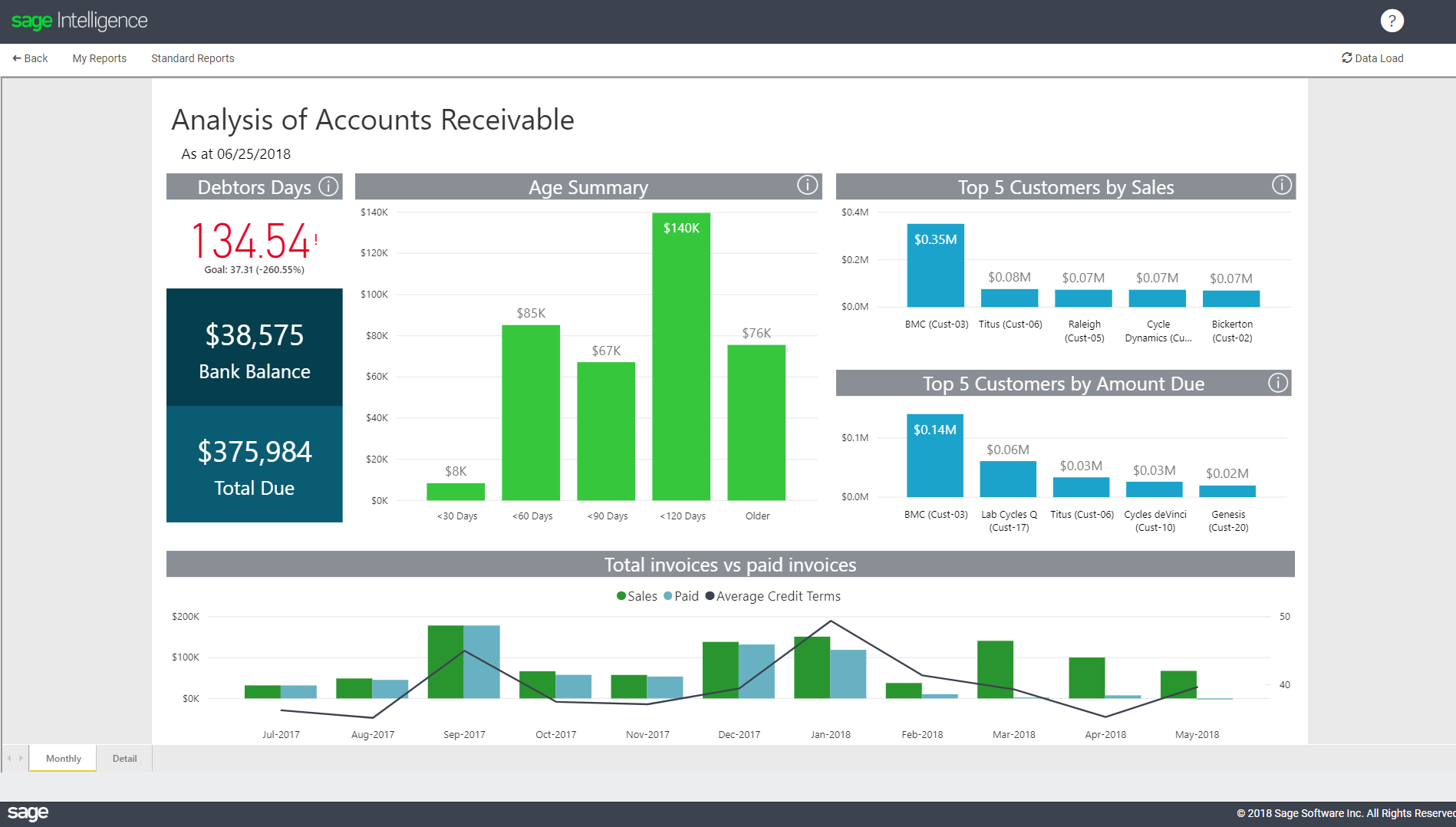
Sage is a titan in the world of Fixed Asset Accounting. Their suite is specifically designed to handle complex tax rules and large volumes of assets, making it a favorite for mid-to-large enterprises.
Tools Description: Sage Fixed Assets provides a comprehensive end-to-end solution including tracking, planning, and depreciation. It is widely recognized for its ability to handle over 50 different depreciation methods and stay updated with the latest US tax laws.
Key Features:
- Built-in support for over 300,000 IRS tax and local authority rules.
- What if depreciation projections for better financial planning.
- Physical inventory tool that integrates with mobile barcode scanners.
- Bulk image and document attachment for invoices and warranties.
- Project tracking for assets that are currently under construction (CIP).
Pros:
- Unrivaled tax compliance and automatic updates for US tax law changes.
- Extremely scalable; can handle thousands of assets without performance lag.
- Deep integration with the broader Sage accounting ecosystem.
Cons:
- The interface can feel slightly dated compared to newer SaaS competitors.
- Higher price point makes it less accessible for very small businesses.
- Requires a significant amount of initial setup and training.
Pricing: Contact Sage for a custom quote (typically tiered based on asset volume and modules selected).
2. NetSuite
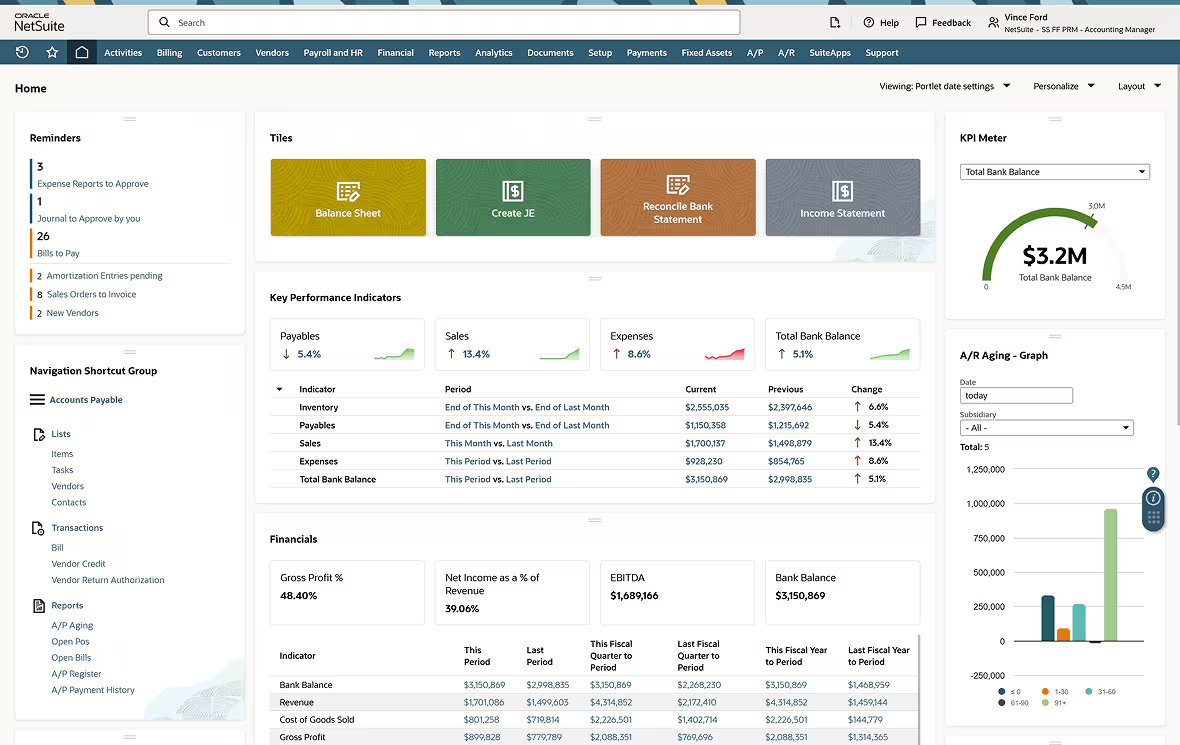
For businesses operating within the NetSuite environment, NetAsset is often considered the best fixed asset accounting software because it is built natively for that platform.
Tools Description: NetAsset is a high-performance Fixed Asset Management Software that lives directly inside your ERP. It removes the need for external integrations by using your existing chart of accounts and vendor lists.
Features:
- Automated Click-to-Lease and asset creation from accounts payable.
- Full support for GAAP, IFRS, and Tax books simultaneously.
- Advanced disposal and transfer workflows.
- Real-time dashboarding for asset health and depreciation trends.
- Mass-editing capabilities for large-scale asset updates.
Pros:
- Eliminates data silos because it shares the same database as your ERP.
- Very intuitive user interface that feels modern and fast.
- Excellent for companies with multi-subsidiary and multi-currency needs.
Cons:
- Primarily restricted to those already using specific ERP systems (like NetSuite).
- Can be overkill for simple businesses with fewer than 50 assets.
- Customization often requires specialized consultant knowledge.
Pricing: Visit the website for detailed pricing.
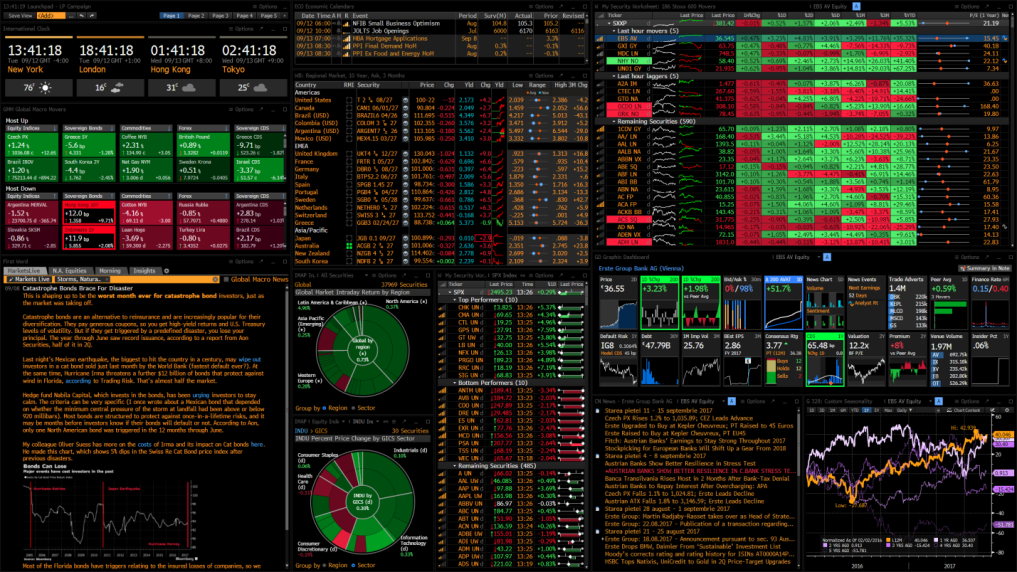
3. Bloomberg Tax Fixed Assets
If your primary concern with fixed asset accounting is strict regulatory compliance and tax optimization, Bloomberg Tax is a heavy hitter.
Tools Description: This Fixed Asset Accounting System is built by tax experts. It focuses heavily on the Tax side of the equation, ensuring you never miss a deduction or a bonus depreciation opportunity.
Key Features:
- Automatic calculations for federal, state, AMT, and earnings & profits.
- Open API for integration with almost any third-party GL.
- Robust audit trail that tracks every change made to an asset record.
- Global tax support for companies with international branches.
- Comprehensive data validation to prevent entry errors.
Pros:
- Highest level of confidence in tax calculation accuracy.
- Excellent customer support staffed by subject matter experts.
- Very strong reporting engine with pre-built templates for all common forms.
Cons:
- The learning curve is steep for non-tax professionals.
- Pricing is at the premium end of the market.
- Focuses more on accounting/tax than physical maintenance/GPS tracking.
Pricing: Custom enterprise pricing; generally starts in the mid-four figures annually.
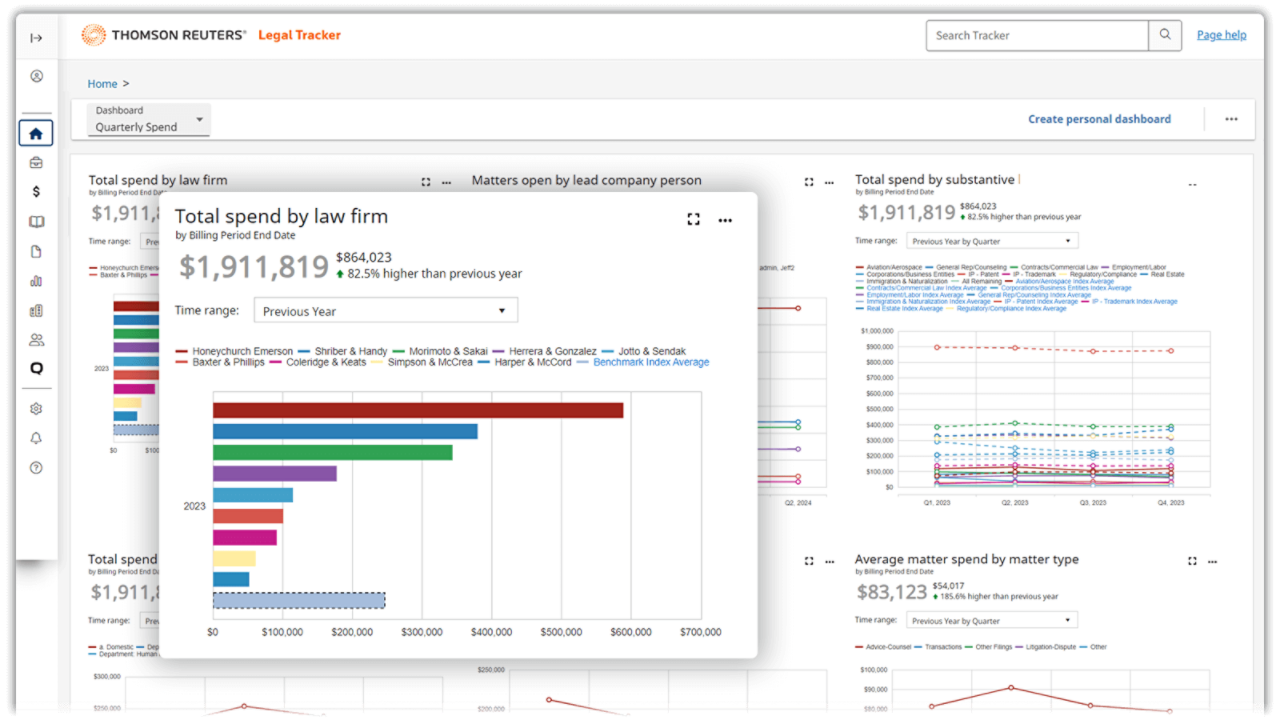
4. Thomson Reuters Fixed Assets CS
Part of the CS Professional Suite, this fixed asset software is a staple for accounting firms and businesses that work closely with external CPAs.
Tools Description: Fixed Assets CS is a professional-grade Fixed Asset Management Software that excels in data sharing and professional reporting. It is designed to handle high-volume data entry with speed.
Key Features:
- Integration with UltraTax CS for seamless tax return preparation.
- Support for unlimited sets of books per asset (Tax, Book, State, AMT, etc.).
- Easy data import from Excel and other legacy systems.
- Inventory tracking with support for handheld barcode scanners.
- Method/Life Wizards that suggest the best depreciation strategy.
Pros:
- Seamless workflow for businesses that use other Thomson Reuters products.
- Very efficient for batch-processing assets.
- Highly reliable and stable software with a long track record.
Cons:
- Can feel inefficient and less agile than cloud-native SaaS apps.
- Primarily designed with an Accountant-first rather than Business-owner first mindset.
- On-premise versions require manual updates.
Pricing: Varies based on licensing; typically involves an upfront cost plus annual maintenance.
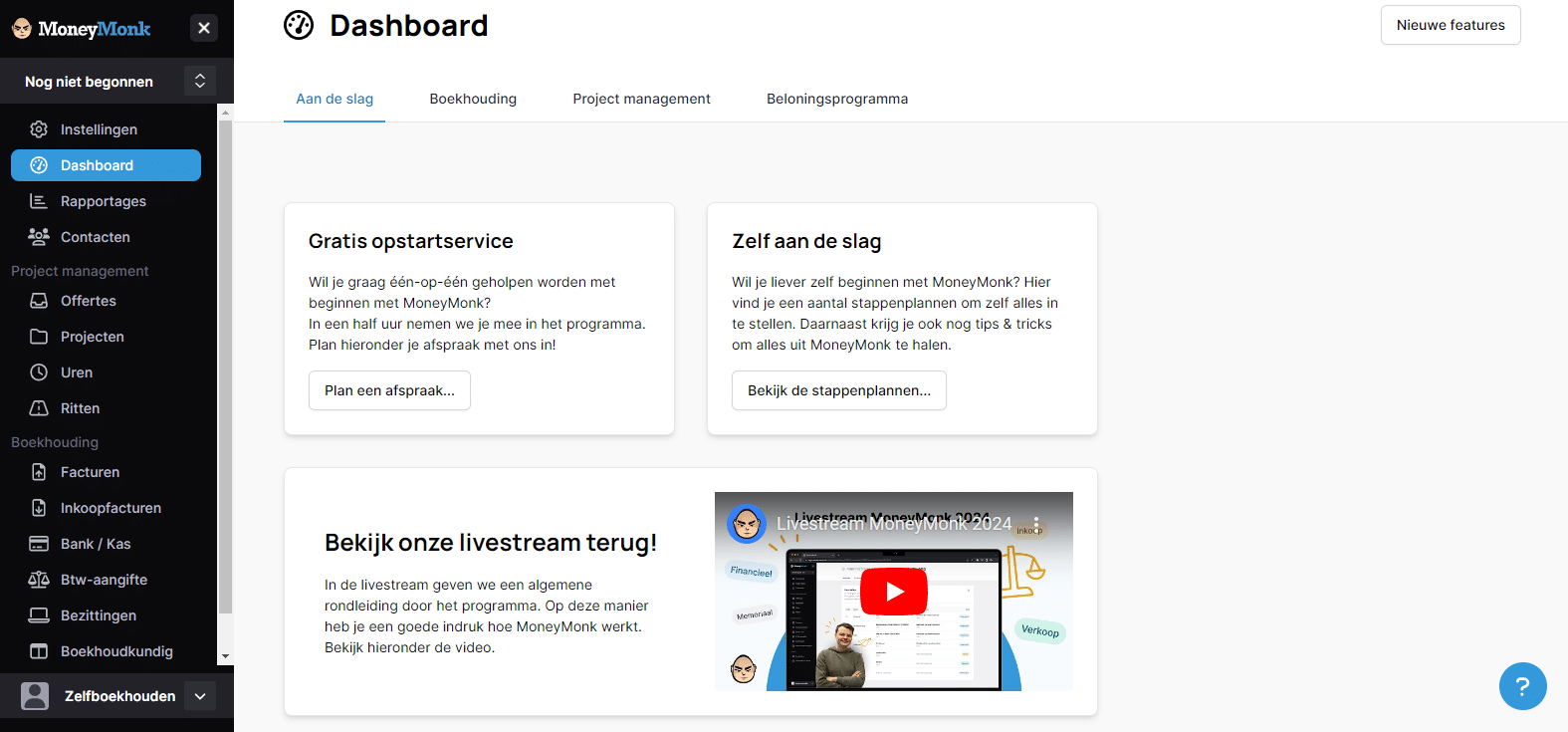
5. MoneyMonk
MoneyMonk represents the newer wave of Fixed Asset Accounting Software designed for freelancers, startups, and small businesses who need simplicity over complex tax engines.
Tools Description: MoneyMonk is a user-friendly financial tool that includes a streamlined Fixed Asset Accounting module. It is perfect for those who want to manage their assets without needing a degree in accounting.
Key Features:
- Simplified automated depreciation for common asset classes.
- Easy-to-read dashboard showing the current value of all business equipment.
- Direct linking between expense receipts and asset creation.
- Basic reporting for year-end tax filings.
- Mobile-friendly interface for managing assets on the go.
Pros:
- Extremely affordable for small teams and solo practitioners.
- Very short setup time; you can be running in minutes.
- Clean, jargon-free interface that focuses on the essentials.
Cons:
- Lacks the advanced tax automation of Sage or Bloomberg.
- Not suitable for companies with thousands of complex assets.
- Limited integration options with larger ERP systems.
Pricing: Starting at $49 per month.
4. How to Choose the Right Fixed Asset Accounting Software
Selecting the best fixed asset accounting software for your company isn't just about the price tag; it’s about the fit. Use the following criteria to evaluate your options:
1. Business Size and Needs
A small consulting firm might only need to track ten laptops, whereas a construction company needs to track heavy machinery across multiple job sites. Ensure the fixed asset software you choose scales with your asset volume.
2. Features and Functionality
Features and Functionality: Determine whether you need physical tracking like barcoding or financial tracking, like depreciation. For large warehouses, integrate with facility management software, while remote businesses may prefer simple tax-focused systems.
3. Integration with Existing Systems
The goal of fixed asset accounting software in USA is to reduce work. If the software doesn't talk to your QuickBooks, Xero, or NetSuite, you will end up doing double entry, which defeats the purpose of automation.
4. Compliance Consideration
If your company is publicly traded or operates in highly regulated industries, you need a system with a locked audit trail and advanced GAAP/IFRS compliance features.
5. Customer Support and Training
Fixed Asset Accounting can get complicated. Look for vendors that offer robust onboarding, a knowledge base, and responsive technical support to help you through your first year-end close.
5. Common Challenges in Fixed Asset Accounting Software
Being aware of common challenges helps you prepare and choose a vendor that mitigates them effectively:
1. Data Accuracy and Completeness:
Migrating asset data from spreadsheets or legacy systems is often messy, with missing purchase dates, incomplete depreciation, and inconsistent records, especially when integrating with CMMS software in USA for accurate tracking.
2. Complex Depreciation Calculations:
US tax depreciation particularly MACRS with bonus depreciation elections and Section 179 is genuinely complex. Even good software can require careful setup to ensure the right methods are applied to the right assets. Invest time in the initial configuration.
3. Compliance with Accounting Standards:
GAAP and IRS rules change, and software that is not regularly updated can quickly put you out of compliance. Always verify that your vendor has a clear update process and communicates regulatory changes proactively.
4. Reporting and Analysis Needs:
Standard reports may not always match exactly what your auditors, CFO, or board need to see. Look for software with flexible, customizable reporting that does not require IT involvement every time you need a new report format.
5. Security and Data Protection:
Your asset data is financial data, it is sensitive. Ensure any cloud-based fixed asset accounting system offers robust data encryption, role-based access controls, and regular security audits. Ask vendors directly about their SOC 2 compliance status.
6. Conclusion
Mastering your fixed asset accounting is one of the most effective ways to protect your company's bottom line. By moving away from manual tracking and adopting a modern fixed asset accounting software, you ensure accuracy, maintain compliance, and gain the insights needed to manage your physical investments strategically.
Whether you choose a powerhouse like Sage or a streamlined tool like MoneyMonk, the best fixed asset accounting software is the one that aligns with your operational reality today while leaving room for your growth tomorrow. Start by auditing your current asset list, identifying your must-have features, and requesting a demo from the providers listed above to see how a dedicated fixed asset accounting system can transform your financial operations.