Best Attendance Management Software in
Are you looking for Attendance Management Software for your Business in ? SaaS Adviser brings you the best Attendance Management Software to ease your worries. In order to make your work smooth and swift, SaaS Adviser has compiled a list of the best software available. Compare the Best software features, pricing, free demo, and trial to select the best Attendance Management Software for your organization.
.jpg "Shraddha") Researched and Written by Shraddha
Researched and Written by Shraddha
Top 3 Featured Softwares


List of Top Attendance Management Software

Get Free Consultation


Connecteam

Powerful Hubs, Flexible Pricing
What is Connecteam?Connecteam is a mobile-first employee management software designed to simplify and centralize daily operations for deskless and remote teams. It offers tools...
View Profile
Paylocity
Get in Sync with Access Management
Paylocity is a cloud-based payroll and human capital management (HCM) software designed to help businesses streamline payroll, workforce management, and HR processes. The p...
View Profile

TCP Humanity Scheduling, developed by TCP Software, is a cloud-based workforce management solution designed to simplify and automate employee scheduling. Built for businesses of al...
View Profile
Buddy Punch
By Buddy Punch
Buddy Punch is an employee time clock management software that makes it easier for business owners and team leaders to track the working hours of their employees. The software trac...
View Profile

What is Workable?Workable is an all-in-one recruitment software that helps businesses streamline the hiring process from start to finish. It provides tools for posting jobs, tr...
View Profile
TimeMate
Get the Best Time & Attendance Solution for your Business
Timemate is a time tracking and workforce management software designed to help businesses efficiently monitor employee productivity, track work hours, and manage schedules. It ...
View Profile

Sage HR
For every stage of business
Sage HR is a cloud-based human resource management software designed to streamline HR processes for small to mid-sized businesses. It helps organizations manage core HR functio...
View Profile

PROJECTHOURS
THE online tool for EASY TIME TRACKING
Project Hours is an intuitive, cloud-based time-tracking software designed to help businesses efficiently monitor and manage employee work hours across various projects and tas...
View Profile
Employment Hero
Leap into the future of work
What is Employment Hero?Employment Hero is a comprehensive cloud-based HR and payroll software solution developed in Australia, tailored for small to medium-sized businesses. I...
View Profile

Tellent
Make better people decisions
Tellent is a cloud-based people-management and HR platform that unifies recruiting, employee data management, performance reviews, and engagement workflows into a single system. It...
View Profile

Remote
Scale 13x faster with Remote
Remote is a cloud-based global HR and payroll platform designed to help businesses hire, manage, and pay employees and contractors worldwide. It simplifies international expans...
View Profile
Hubstaff is a workforce management tool that helps businesses reach new heights through better team, project, and time management.
View Profile

What is BrightHR?BrightHR is a cloud-based HR software designed to simplify and automate human resource management for businesses of any size. It provides a comprehensive set o...
View Profile

Hooray HR
Save time on HR and create a happy team.
Hooray HR is an all-in-one HR management software designed to simplify the day-to-day tasks of small and medium-sized businesses. It streamlines HR operations like onboardi...
View Profile

Moorepay
Award-winning payroll & HR
Founded in 1966, Moorepay is a leading supplier of payroll and HR solutions to businesses large and small. We are experts in what we do, committed to delivering an honest, reli...
View Profile
Hibob HRIS
MODERN HR FOR MODERN BUSINESS
What is HiBob?HiBob, commonly referred to as Bob, is a modern cloud-based Human Resources Information System (HRIS) built to streamline and elevate HR processes for organizatio...
View Profile

What is AvaHR?AvaHR is a cloud-based applicant tracking system (ATS) designed to help small and medium-sized businesses streamline their recruitment process. It enables HR ...
View Profile
What is Monday.com?Monday.com is a cloud-based Work Operating System (Work OS) designed to help teams plan, track, and manage their projects and workflows efficiently. Its high...
View Profile

BambooHR is a cloud-based Human Resources (HR) software designed to help small and medium-sized businesses (SMBs) streamline HR processes. It provides tools for managing employee i...
View Profile

What is Paychex Flex? Paychex Flex is a U.S.-developed, cloud-based human capital management (HCM) software built to simplify payroll, HR, and benefits administration for ...
View Profile

Table of Content
What is Attendance Management System?
Attention management software is a digital solution designed for the attendance of employees, working hours, and absent monitoring and management. It automatically leads to time tracking methods, reduces manual errors, and ensures accurate payroll processing. These structures regularly integrate with Payroll Software, HR Software, and Leave Management Software to offer a comprehensive body of workers management solutions.Modern attendance management software in the United States is often cloud-based, which means it can be reached at any time. It is especially useful for companies with external or mobile workers, as employees can create a clock using time & expense management software or even GPS features. This helps HR team from a single dashboard, with quick approval for easy communication with holiday requests and employees.
By connecting attendance data with Time Clock Software, Employee Onboarding Software, and Payroll Software, corporations can ensure their employees are accurately paid and well-managed. This makes the tool a smart funding for long-term period enterprise success.
1. Challenges in Attendance Management Systems
1. Manual Errors and Inaccuracies
Manual errors and inaccuracy are often accompanied by traditional appearance methods, such as paper logs or spreadsheets. These errors can give rise to wrong appearances in journals and payment problems, which can lead to confusion and delay. Using automated appearance systems helps eliminate these errors and ensure more accurate tracking.
2. Integration with HR and Payroll Systems
Integration with HR and payroll systems is important for easy operation, but can be problematic to install. Effectively, it ensures that appearance data flows without delay in the HR and payroll system, reduces manual work, and ensures proper payroll processing. This integration helps companies save time and maintain stability in all departments.
3. Compliance with Labor Laws
Compliance with labor law is an important part of using a attendance management system. The system must follow local rules on working hours, brakes and overtime. To remain obedient, it must be updated regularly and check to ensure that all employees meet registration registrations. This helps companies avoid punishment and create fair practices in the workplace.
2. Conclusion
Choosing the right attendance management software is important for effective work management. Understanding different types, benefits, and functions, agencies can make informed decisions that correspond to their operating requirements and compliance requirements. With the developed landscape of work, it is not only important, but important to invest in a strong appearance system.
3. Resource of Attendance Management Systems
4. Key Features of Attendance Management Systems
1. Clocking In and Out
The clock in and out is a main feature of any attendance management system, and it can be achieved in different task environments in many ways. Employees can swipe biometric devices such as fingerprints or face recognition scans, swipe RFID cards, or log in through the mobile app. These options ensure flexibility for accurate time tracking, either employees work on the site or work at a distance..
2. Leave Management
Leave management allows tracking how much leave each employee has and makes it easy to deal with leave requests. Employees can ask for time off work the using the device, and managers can approve or reject it quickly. This keeps the whole thing clear and prepared, with less paperwork and no confusion about who is on leave.
3. Payroll Integration
Payroll integration means the attendance system works directly with payroll tools to make sure employees are paid correctly. It sends work hours, leave, and overtime details to payroll, so there’s no need to enter the data manually. This saves time and helps to avoid errors in salary calculation.
4. Reporting
Reporting lets you create detailed records of employee attendance, absences, late arrivals, and more. These reports help managers understand work styles and make better decisions. It also makes it easy to spot issues and keep everything well-documented.
5. Biometric Attendance
Biometric attendance uses fingerprint or facial recognition to record when employees clock in and out. This makes the system extra secure and correct as it ensures that most effective the right person can mark their attendance. It also helps stop buddy punching and keeps records reliable.
6. Calendar Integration
Calendar integration allows the attendance device to sync with business enterprise calendars, making it easier to control schedules, vacations, and activities. This allows all and sundry to live informed approximately what's to be had and when. It also improves planning and avoids scheduling conflicts.
7.Advanced Analytics
Advanced analytics helps you see patterns in employee attendance, such as frequent absences or late arrivals. It shows useful data in charts or reports, making it easier to understand how teams are performing. This helps managers make better decisions and improve workplace productivity.
5. Best Attendance Management Systems in USA (2025)
1. Connecteam
The deskless teams provide features such as an all-in-one attendance management software, time tracking, planning and communication tools.
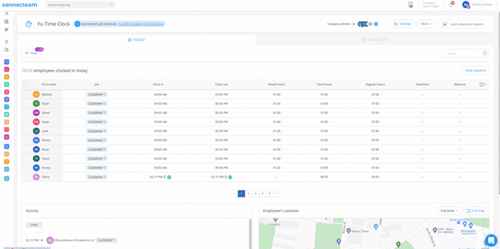
Key Features
-
GPS time tracking
-
Shift scheduling
-
Task management
-
Employee communication
-
Integration with Payroll Software
Pros
-
User-friendly interface
-
Robust mobile app
Cons
-
Limited integrations with third-party apps
-
Advanced features require higher-tier plans
Pricing: Starts at $29/month for up to 30 users.
2. Clockify
A free time suitable for freelancers and small businesses offers features such as tracking tools, times, and reporting.
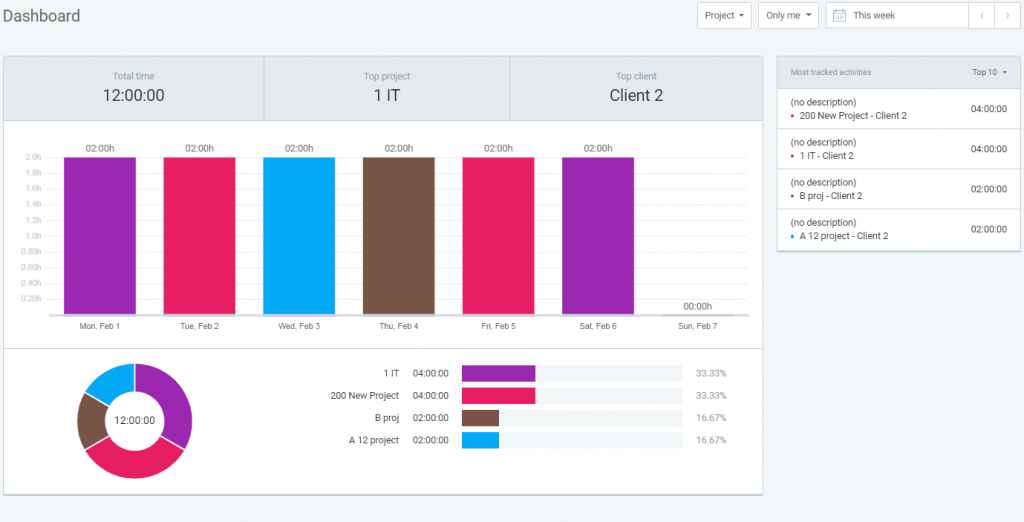
Key Features
-
Time tracking
-
Timesheet management
-
Project tracking
-
Reporting and analytics
-
Integration with Payroll Software
Pros
-
Free plan available
-
Simple and intuitive interface
Cons
-
Limited features in the free version
-
No built-in scheduling tools
Pricing: Free; paid plans start at $3.99/user/month
3. Hubstaff
A comprehensive Time Tracking App & Software with features like GPS tracking, productivity monitoring, and payroll integration.
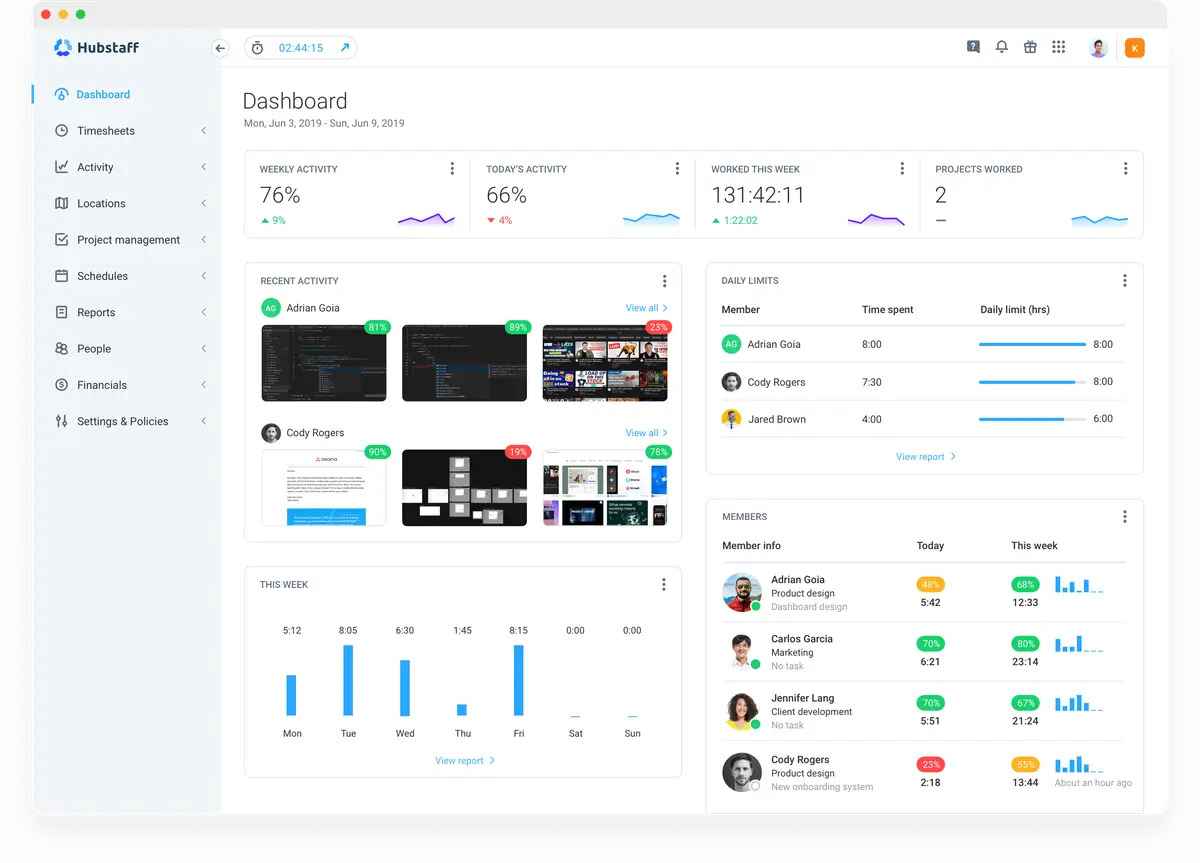
Key Features
-
Time tracking with screenshots
-
GPS location tracking
-
Productivity monitoring
-
Payroll integration
-
Employee scheduling
Pros
-
Ideal for remote teams
-
Detailed productivity reports
Cons
-
May raise privacy concerns among employees
-
Higher cost for advanced features
Pricing: Starts at $7/user/month.
4. BambooHR
A leading HR Software that includes modules for attendance tracking, employee records, and performance management.
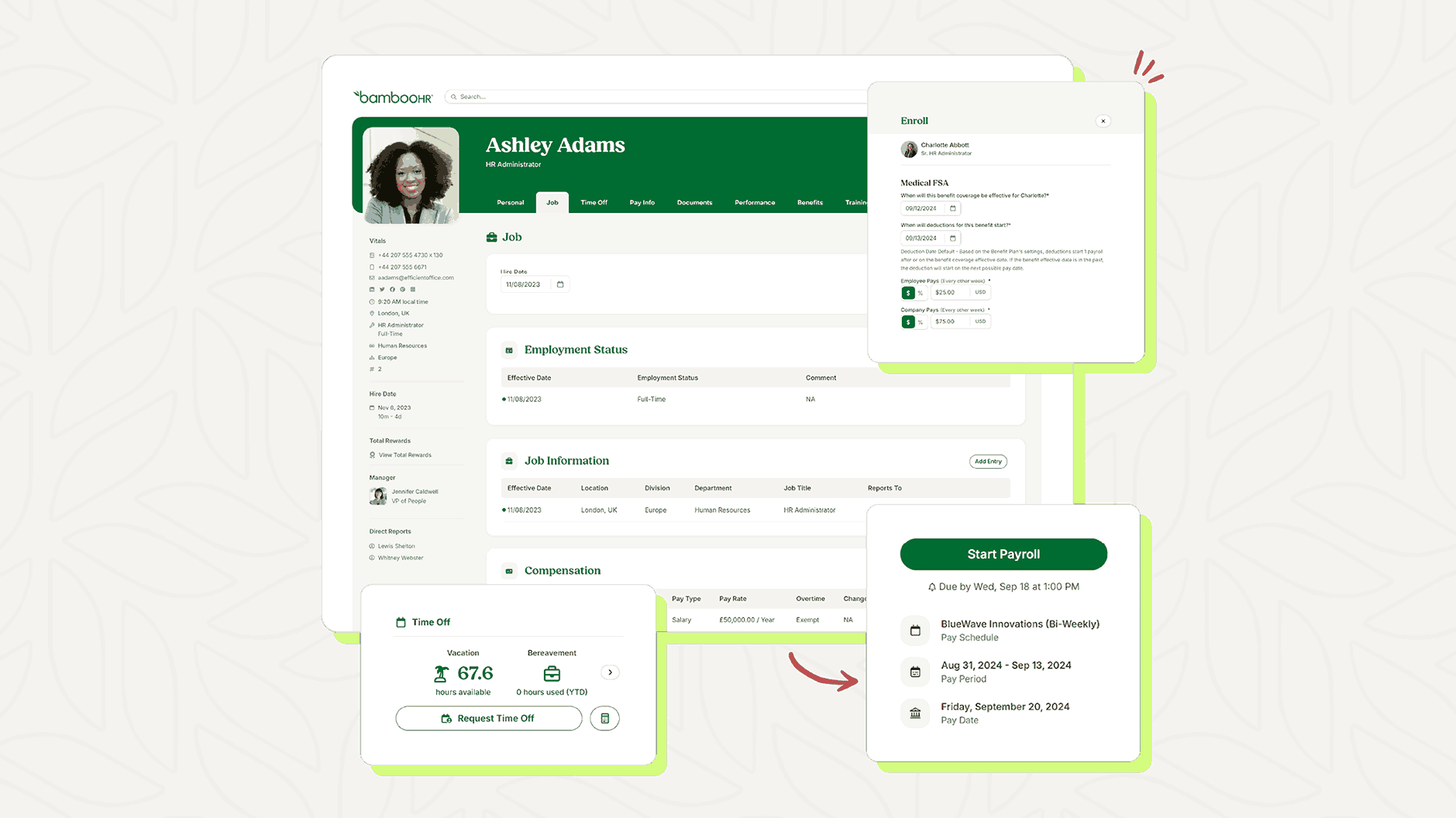
Key Features
-
Employee database
-
Time-off tracking
-
Performance management
-
Employee self-service portal
-
Integration with Payroll Software
Pros
-
Comprehensive HR solution
-
User-friendly interface
Cons
-
Pricing not transparent
-
Limited customization options
Pricing: Starts at $6/Employee/Month.
5. Zoho People
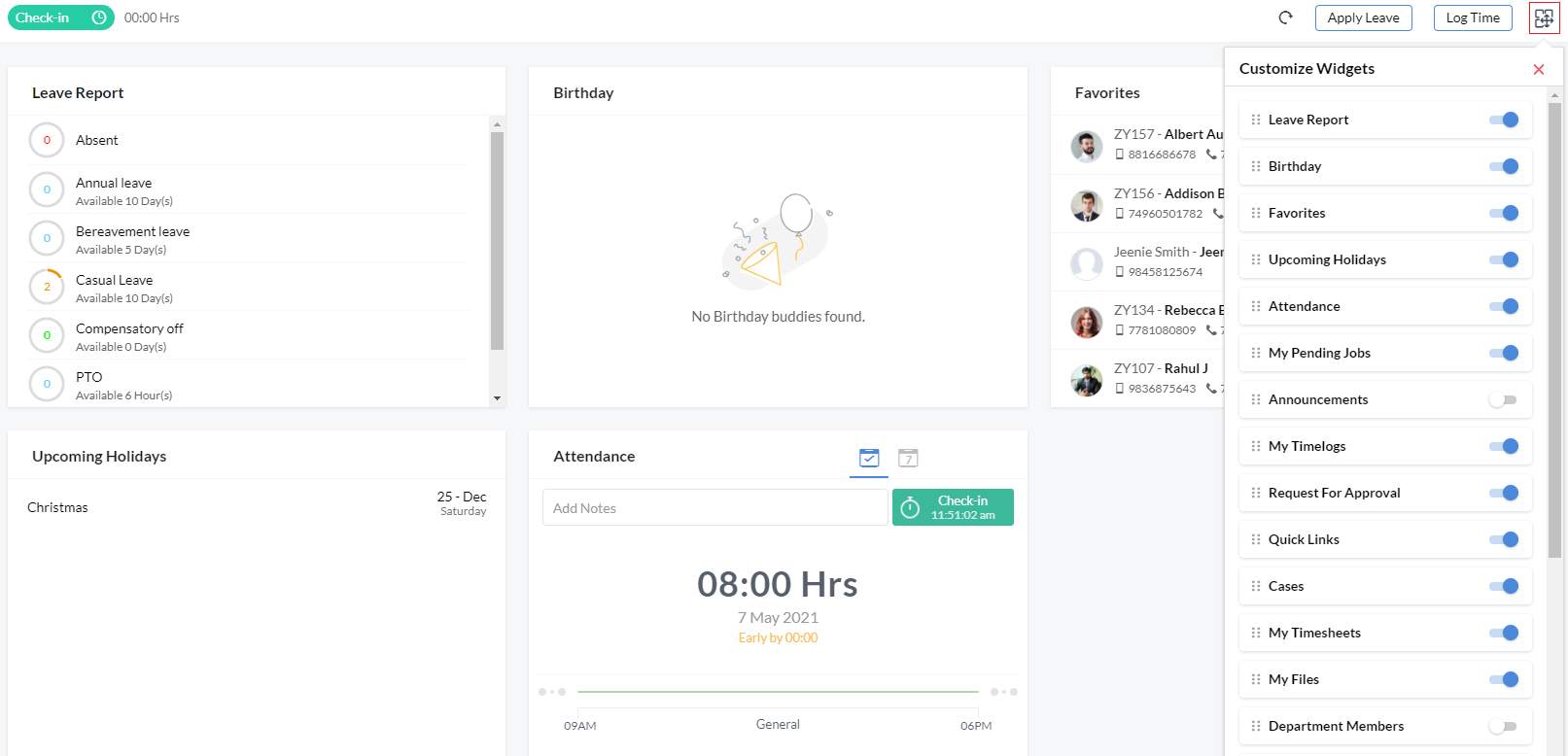
A cloud-based Attendance Management Software offering a suite of HR tools, including time tracking, leave management, and employee onboarding.
Key Features
-
Time and attendance tracking
-
Leave management
-
Employee onboarding
-
Performance appraisal
-
Integration with Payroll Software
Pros
-
Affordable pricing
-
Scalable for growing businesses
Cons
-
Steep learning curve
-
Customer support can be slow
Pricing: Starts at $1.50/user/month.
6. Top Trends in Attendance Management Systems
1. Employee Self-Service
Employee self-service features in attendance management systems let employee mark their attendance, request leaves, and take a look at their schedules on their own. This makes the process quicker, extra transparent, and decreases the work for HR. It also helps employees stay updated and take responsibility for their own time records.
2. Cloud-Based Time and Attendance
Cloud-based time and attendance structures let businesses track worker hours from everywhere, at any time. These platforms update data in real time, aid remote work, and develop without problems with the company. They’re easy to use, cost-effective, and work well for each small and large businesses.
3. Biometric Technology
Biometric technology uses fingerprint or facial recognition to record attendance, making it accurate and secure. It help prevent time theft and pal punching, ensuring that most effective the proper person can clock in or out. This makes tracking attendance extra reliable for all sorts of companies.
4. Mobile Application
Mobile applications make attendance smooth through letting employees clock in or out, request leave, and check their schedules right from their phones. This is particularly beneficial for remote or field people who aren’t always in the workplace. It keeps everyone connected and makes managing attendance more flexible.
5. Analytics and Reports
Analysis and reports in attendance systems show clear data on employee appearance, absence, and work habits. These insights help you with trends for leaders, solve problems quickly and make better selection to increase the results and productivity of the team.
7. Benefits of Attendance Management Systems
1. Tracking Employee Performance
The attendance management software provides valuable insight into employee punctuality, work habits, and trends for attendance. By recording Clock-in and Clock-Out time manually, system managers assist managers to become aware of overdue arrivals, early departures, or common absences. This insight can be used to evaluate employee performance and make informed decisions on planning, promotions, or training.
2. Payroll Processing
The attendance management software automatically calculates the work, overtime, and the leave balance, which helps to reduce human errors and ensure that employees are just paid. This automation is especially useful during payroll processing, as it eliminates the requirement for manual data entry. When payroll is integrated with software and HR software, it allows spontaneous salary generation, accurate deduction and adherence to work. By streamlining these tasks, the business can save time and avoid costly pay errors.
3. Calculating Absenteeism
An attendance management system helps to identify the patterns with frequent absence by tracking employee attendance over time. This generates reports that spotlight which personnel are regularly absent or past due, making it simpler for managers to see problems quickly. By studying these developments, agencies can take the necessary steps to assist personnel, resolve the underlying issues, and enhance the reliability of the general crew.
4. Managing Remote Workers
An attendance management system makes it easy to track remote employees using online platforms. Employees working from home or within the subject can log their attendance through web portals or mobile apps, allowing managers to see real-time check-ins and work hours. This guarantees responsibility, even when the group is not physically present within the office. It additionally enables accurate attendance data, making it simpler to control remote teams efficiently and transparently.
5. Assigning Different Policies
An attendance management machine allows corporations to set different regulations and policy based totally on departments, roles, or employee type. For instance, shift timings, break duration, or overtime guidelines can be customized for unique teams like sales, support, or operations. This flexibility helps ensure that attendance tracking aligns with the precise needs of every business, leading to fairer management and better compliance with internal policies. Customization also makes the system more adaptable for growing organizations with diverse work structures.
6. Easy Clock In and Clock Out
An attendance management system simplifies the clock-in and clock-out system by using of mobile apps, biometric devices, or web portals. Employees can easily mark their attendance with just a fingerprint scan or a tap on their smartphone, decreasing delays and lengthy queues. These tools make each day attendance quick, contactless, and problem-free, in particular in busy places of work. This ease of use improves employer experience in and ensures that attendance data is captured correctly and effectively.
7. Centralized Server
An attendance management system is especially useful for businesses with more than one location, as it consolidates all attendance data into one central platform. Whether employees are working at different branch sites, or maybe remotely, their attendance data is automatically collected and saved in a single software. This helps management monitoring workforce activity throughout places in real time, ensures consistency in attendance monitoring, and makes reporting and decision-making a much easier.
8. Cost-Effective
An attendance management software enables reduce administrative workload via automating daily monitoring tasks that could in any other case be accomplished manually. Instead of using paper timesheets or spreadsheets, all information is recorded and stored digitally. This no longer only saves time for HR and managers, however also reduces paper usage, making the system more green. By reducing manual work, companies can operate effectively and focus on higher-value tasks.
8. Different Types of Attendance Management Systems
1. Manual Attendance System
The manual attendance system is the most conventional way of tracking employees' attendance, typically using paper registers or spreadsheets. While this method may additionally seem easy, it's sometimes prone to human error, which include wrong entries or ignored records. It also requires a lot of effort and time from HR teams to study and calculate work hours. Since manual systems do not provide real-time tracking or automation, they cause delays in payroll processing and make it harder to maintain accurate statistics.
Because a manual attendance system doesn’t connect with tools like Payroll Software or HR Software, businesses often face issues with salary mistakes and poor record-keeping. It also becomes harder to manage leave requests and track employee hours over time. That’s why many companies are now switching to digital Attendance Management Software to save time, reduce errors, and keep everything in one place. A smart system not only improves accuracy but also helps with better employee management and faster decision-making. Client onboarding software helps businesses smoothly welcome new clients by streamlining forms, communication, and setup processes in one easy-to-use platform.
2. Biometric Attendance System
A biometric attendance system makes use of fingerprint scans, facial recognition, or to document while employees clock in and out. This technique is correct and allows save you common problems like "buddy punching," where one employee checks in for other. Because it directly identifies the person, it’s more secure than manual methods or ID cards. Many businesses now prefer biometric systems as part of their Attendance Management Software to improve reliability and reduce time theft..
3. RFID Attendance System
An RFID attendance system lets employees to clock in and out thru scanning their RFID cards. This method is short and easy, making it a well-known desire in offices, faculties, and factories. While it speeds up the check-in system, it may be misused if employees share cards with others. That’s why some businesses combine RFID with other Attendance Management Software features like camera verification or real-time tracking.
RFID systems are frequently chosen for their low cost and ease of use, particularly in environments where fast check-ins are wanted. They can be connected to Time Clock Software and Employee Scheduling Software to track while employees begin and end their shifts.
4. Online Attendance System
An online attendance system is a cloud-based platform that allows employees and executives to get access attendance statistics every time through the internet. These structures offer real-time monitoring, so you can see who's present, late, or absent at any moment. They are especially useful for remote teams or groups with a multiple places. An online system is often integrated with tools such as employee scheduling software, time tracking app and software, payroll software, and HR software, making it easier to manage the salary from the employee's hour, shift, and from one location.
Many companies in the USA prefer online Attendance Management Software because it removes the need for physical tools or office work. Employees can clock in using their phones or computers, making it ideal for hybrid or field-primarily based teams. When mixed with Workforce Management Software, Time Clock Software, and Leave Management Software, a web machine turns into a whole solution for dealing with worker time and attendance.
5. GPS-Based Attendance System
A GPS-primarily based attendance system is ideal for remote or field employees who may not work in a centralized office. By the use of GPS-enabled devices, including smartphones or tablets, the system tracks employees' location after they clock in and out. This guarantees that employees are working within the right location and allows prevention of time fraud. Integrating GPS monitoring with Attendance Management not only boosts accuracy but also connect seamlessly with Payroll Software, HR Software, and Employee Scheduling Software, making it simpler to control time and location-based attendance records in real time.