
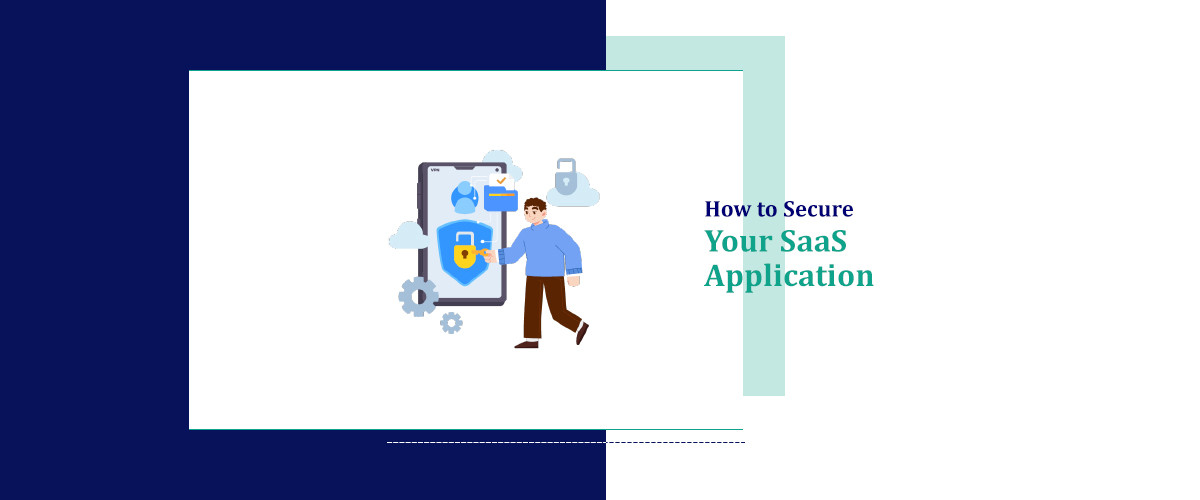
SaaS applications are crucial in today's digital world. Their popularity brings a higher risk of security breaches. Securing your SaaS app is vital. It protects sensitive data, builds customer trust, and ensures smooth operations.
This article offers simple, practical steps to strengthen your SaaS application's security. Let’s dive in!
Understanding SaaS Application Security
Before securing your application, you must understand SaaS security—especially in the context of Local Law 152 compliance. SaaS apps are cloud-hosted, meaning your data is stored on remote servers rather than local ones. While the cloud offers flexibility and cost savings, it also introduces security challenges. Key concerns include unauthorized access and data leaks, which must be properly addressed to meet Local Law 152 security and compliance requirements.
SaaS apps are accessible from almost anywhere. They are delivered over the internet. Examples include email services, CRM tools, project management software, and ERP systems. Their main appeal is lower hardware and maintenance costs, allowing businesses to scale easily.
However, these apps often handle sensitive data like customer info and financial records. Securing them is essential. Unlike on-premises software, where you control everything, SaaS relies on third-party providers. They manage infrastructure, while you secure data access and usage.
SaaS security is like a strong fortress. It uses encryption and monitoring to prevent breaches. You can lower your risk by adopting good habits or by having a compliance management platform. Here are key steps:
-
Data Protection: Always encrypt sensitive data, both in transit and storage.
-
Access Control: Limit system access to trusted users. Use Multi-Factor Authentication and Single Sign-On for added security.
-
Incident Response: Have a plan for breaches. Define steps for detection, containment, and resolution. Keep communication open.
-
Compliance and Legal Considerations: Know regulations like GDPR, HIPAA, and PCI-DSS. It's vital for protecting data rights.
-
Vendor Risk Management: Review your SaaS provider's security. Their practices are crucial since they manage your infrastructure.
By understanding and applying these principles, organizations can bolster their SaaS applications and protect sensitive data like professionals.
1. Implement Strong Authentication Protocols
Locking down a SaaS application begins with access control. Strong authentication serves as the ultimate gatekeeper against unwanted intrusions. It’s especially crucial to thwart attacks aimed at weak passwords.
But strong authentication is more than a simple username and password. It’s a fortress built with multiple security layers. This complexity hampers attackers, even those armed with stolen credentials. Familiarizing yourself with various methods is essential for your safety.
Multi-Factor Authentication (MFA) is a top method. It requires at least two forms of verification. These are:
-
Something You Know: Usually a password or PIN.
-
Something You Have: A device like a smartphone or hardware token.
-
Something You Are: Biometric data such as fingerprints or facial recognition.
MFA greatly reduces unauthorized access risks. If one factor is compromised, the others still protect the account.
Single Sign-On (SSO) is another effective method. It allows users to log in once and access multiple applications. This reduces password management and enhances security. SSO works well with MFA, cutting down the need for repeated logins. However, it's crucial to choose a secure single sign-on (SSO) solution.
Strong password policies are also essential. Passwords should be complex and changed regularly. Guidelines include:
- Length and Complexity: Minimum 8–12 characters with a mix of elements.
- Expiry and Rotation: Change passwords every 60 to 90 days.
- History: Prevent reuse of old passwords.
- Prohibited Passwords: Block common or easily guessable passwords.
- Hashing and Salting: Store passwords securely using these methods.
Combining these strategies with MFA and SSO creates a robust security system.
Adaptive Authentication offers even more protection. It assesses login attempts in real-time. Factors like location and device are considered. If something seems off, it demands extra verification.
Contextual and Behavioral Authentication looks at user habits. It flags unusual behavior for extra checks. This method helps catch account takeovers early.
Phishing attacks lurk around every digital corner, but they’re not inevitable. Educating users is essential; knowledge is power. Embracing email standards like DMARC, SPF, and DKIM acts as a solid fortress.For domains not actively sending emails, implementing a Parked DMARC solution helps prevent abuse by ensuring even unused domains are protected Pairing strong authentication with user training builds an impenetrable shield against these threats. Stay vigilant and safeguard your inbox!
2. Encrypt Data in Transit and at Rest
Encryption is crucial for SaaS application security. It protects data from being read by attackers, even if they gain access.
- Data in Transit: This is data moving over the network. Always encrypt it. Use SSL or TLS protocols. This secures communication between the client and server. It prevents man-in-the-middle attacks, where attackers intercept data.
- Data at Rest: This is data stored in databases or devices. Use AES encryption to protect it. This ensures that unauthorized access doesn't lead to readable data. A decryption key is needed to access the information.
3. Regularly Update and Patch Software
Your SaaS application, like all software, has vulnerabilities that attackers can exploit. Developers release patches and updates for these issues. So, staying updated is crucial.
Automated Updates: Many SaaS applications offer automatic updates for the latest security patches. Ensure this feature is on to reduce exposure to known vulnerabilities.
Security Audits: Regular security audits are key to strong defense. They reveal hidden weaknesses. Vulnerability assessments help spot potential issues early. Utilizing a robust SCA tool can streamline your security audits by automatically identifying vulnerabilities in your SaaS application.
4. Monitor User Activity and Behavior
Monitoring users is key to SaaS security. By watching user activity, you can spot and stop suspicious actions before they lead to breaches.
- Set Up Alerts: Create alerts for odd behavior, like many failed logins or access from unknown IPs. These alerts let you act quickly to prevent unauthorized access.
- User Access Controls: Enforce strict access controls. Ensure users can only reach what they need for their tasks. Limit access to sensitive data based on roles, following the principle of least privilege.
- Behavioral Analytics: Use advanced tools to spot unusual user behavior. These tools analyze patterns and show if anyone is acting out of the ordinary. They help detect potential breaches early.
5. Secure APIs and Integrations
APIs are the heartbeat of SaaS applications, offering vital lifelines for third-party service integration. Yet, these digital conduits can become open invitations for mischief without the proper security precautions.
- API Authentication: Safeguard your realm with shields like OAuth and API keys. These fortifications ensure that only authorized allies access your SaaS app, effectively barring unwanted intruders.
- Rate Limiting: Think of this as your bodyguard against abuse. By capping request volumes within defined timeframes, you fend off brute-force attacks while ensuring smooth traffic management through your API.
- Use Secure Protocols: Always opt for HTTPS on your digital journey. This encrypts every message exchanged between your app and external services, rendering any intercepted data utterly indecipherable.
6. Backup Data Regularly
Data protection stands tall as the cornerstone of SaaS security. Regular backups empower swift restoration, allowing you to bounce back from attacks or system hiccups, minimizing loss.
Set your automatic backups on autopilot, keeping your data safe and sound. This effortless approach tidies up your schedule, letting you focus on what matters. Store those backups securely off-site, shielding them from physical disasters that could strike your main data center.
Testing your backups regularly is essential for a smooth recovery. A backup that fails to restore is as helpful as a screen door on a submarine.
7. Educate Your Team on Security Best Practices
Human error is the Achilles' heel of every security fortress. Employees can unwittingly leave the door ajar for breaches, succumbing to phishing traps or relying on flimsy passwords. Arm your team with security savvy to slash these slip-ups.
Regular training is a must. Shine a light on the power of robust passwords. Teach your crew to spot phishing emails like a hawk. Advocate for implementing a reliable multi-factor authentication (MFA) solution, and encourage employees to quickly report any suspicious activity.
Craft clear security policies for your SaaS application. Lay out the essential do's and don'ts for every user. Ensure each team member grasps their vital role in the security chain.
8. Use a VPN for Secure Remote Access
If you're accessing your SaaS application remotely, consider adding a VPN for secure browsing. A VPN builds an encrypted bridge, keeping your data safe from prying eyes. Prioritize a reliable VPN with robust encryption and solid security. Express VPN is a great option. However, before you buy it, make sure that you check the Express VPN review online to ensure it meets your remote access needs.
9. Conduct Regular Penetration Testing
Penetration testing Services, or ethical hacking, acts as a security drill. It mimics attacks on your SaaS application to find hidden vulnerabilities. Regular checks help you spot security gaps before attackers do.
- Bring in the Pros: Partner with professional penetration testing companies that have the right tools and skills. They’ll rigorously test your application's defenses and deliver a detailed report packed with valuable security enhancements.
- Explore Every Angle: Evaluate your app for various attack scenarios. Address threats like SQL injection, XSS, and DoS. This proactive method prepares you for potential dangers. Utilizing advanced security testing methods ensures that you are thoroughly examining all potential vulnerabilities in your SaaS application.
- Cloud Penetration Testing: Given the unique challenges of cloud environments, specialized penetration testing services are essential. This approach assesses your cloud infrastructure's security, ensuring that vulnerabilities specific to cloud platforms are identified and mitigated.
10. Stay Up to Date on Security Trends
Cyber threats evolve constantly. So, staying updated on security trends is crucial. Follow blogs, attend webinars, and join conferences to keep informed.
Subscribe to newsletters and join forums to learn about new threats and practices. Regularly updating your knowledge helps you choose the right security for your SaaS application.
Conclusion
Securing your SaaS application is ongoing. It needs technical measures, regular upkeep, and a strong security culture. Follow this article's advice to protect data, prevent breaches, and ensure business success. Remember, security is continuous. Stay ahead of threats with vigilance and proactivity. This approach significantly lowers breach risks and keeps your application safe for users.