
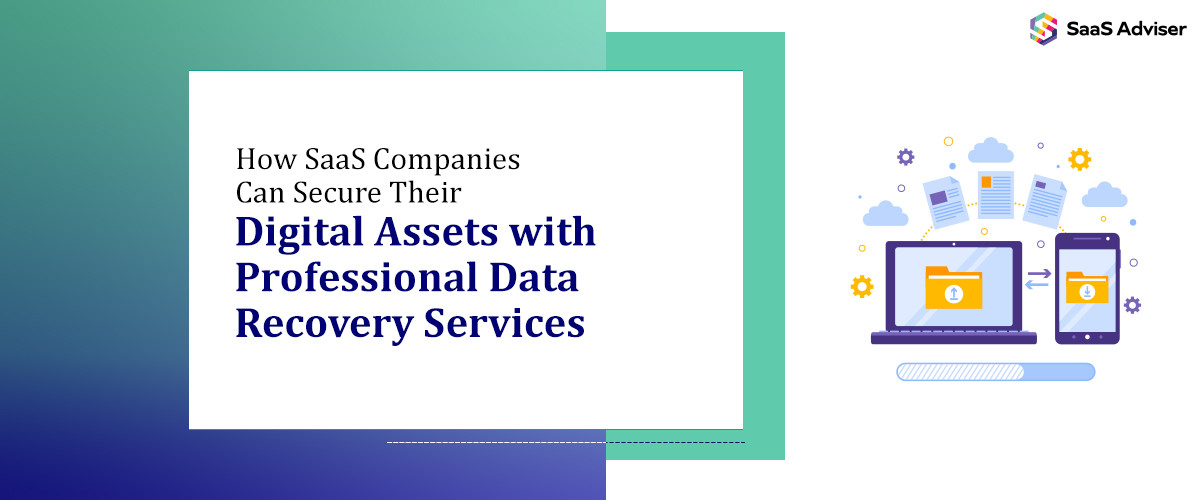
The data no longer is an asset in the modern digital sphere in which everything is done in a hurry but a golden key to SaaS operation. Using any CRM, project management or analytics dashboard, the quality of data, its availability, and security determine the effectiveness of your service, the degree of confidence your customers are experiencing, and the expandability of your system in general. But in spite of all the measures and care, there might be data loss and when such a thing happens, it can be devastating.
And this is where the professional data recoveries bow in the picture. In the case of SaaS companies backups of consumer grade or internal IT support teams may not be the reliable source of mission critical recovery. The paper discusses the logic behind data recovery investment at enterprise level and how the collaboration with data storage professional service will protect your platform, and clients, as well as your business in terms of its future evolution.
The High Stakes of Data Loss in SaaS
To offer an experience to its users, the SaaS (Software-as-a-Service) business relies on the trouble-free availability of data. Any type of interference can cause, irrespective of whether you keep an analytics of how the customer behaves, a real-time collaboration of documents, or monetary information:
-
Enduser downtime
-
Revenues lost due to cancellation of subscriptions
-
Penalties Assessment Regulation which is not observed
-
Your poor brand name and trusts
The SaaS companies are mostly distinguished due to multi-tenant structures in other companies. A single case of data corruption crash can affect hundreds, or even thousands of client accounts simultaneously. This is the reason why the preventive leadership and presence of the credible tools of recovery have to be announced as mission-critical.
Common Causes of Data Loss in SaaS Environments
No SaaS platform can be invulnerable with its numerous protection layers and a cloud redundancy. Astoundingly, some of the commonest reasons why the SaaS providers lose data are:
1. Hardware Failure
Physical computers are also used by cloud-service providers. The occurrence of crashes in SSD or hard drives causes huge losses or corruptions in data centers, and the redundancy systems rendered cannot reconstruct the huge losses of data before they have been lost or damaged.
2. Human Error
One loss of significant amount of data can be done within a couple of seconds due to accidental deletion of any of the client records or incorrect configuration of the server when conducting a regular overall maintenance.
3. Cybersecurity Attacks
Ransomware, malware and rogue insiders will persist. The cyberattacks can encode, destroy, or disclose essential files and it requires an aggressive forensic data recovery.
4. Software Failures or Software Upgrade
The SaaS systems are dependent on the fluency of the software interferences. It has a minor possibility that an update can go bad or have a third party API malfunction and erase or take away an important user data.
5. Environmental Hazard and Natural Disaster
The hosting settings can be exposed to unexpected damage of the hardware (fire, flood, or surge of power) in the hosting settings (especially, in on-premises or hybrid settings).
Why DIY Recovery Isn’t Enough for SaaS Companies
In case of disaster it is always tempting to get built-in tools of a certain platform, or cloud backup, or just IT support in general terms. Still, SaaS environments are highly complicated, and they need a unique expertise:
-
Shared Infrastructure: Spend on multi tenancy database and generalized setting, information localization as well as information recovery is not simple on single tenant and does not disturb others.
-
Compliance requirements: There are standards like HIPAA, GDPR, or SOC 2, to be passed by recovery referring to the niche.
-
Speed SLAs/Uptime SLAs: You must have a service level agreement that includes recovery delay, and when this breaches, you will lose customers or face a legal action.
-
Partial recovery danger: Recovery of some, but not all, data is likely to lead to unpredictable system behaviour, bugs or data integrity issues later on.
It is due to this that you should partner with a provider that offers special enterprise-level recovery.
Choosing a Trusted Data Recovery Partner

The data recovery providers are not even. The following aspects are to be taken into account when looking out to acquire a reputable recovery specialist during the SaaS facilities:
1. Architecture Experience, SaaS
Find a partner, which has already been using a cloud-native environment, hypervisor and virtual storage systems, not just local drives.
2. Recovery Levels of High Technology
It does not matter whether you use RAID storage on your platform, SSDs, as well as encrypted files systems and hybrid clouds, or not, a provider should have the ability to recover off of your system.
3. Defence and Secrecy
Strict data privacy and protection should be applied by any firm that accesses your information. Find and pursue ISO/IEC 27001 and safe chain-of-custody procedures.
4. Emergency Service Options
You simply do not have the time to spend days. In the case in time matters consider the fast recovery providers of no longer than 2448 hours.
5. Clear Communication
In doing this, look out for a provider who will work with you first to give you a complete diagnosis, makes clear estimates and keeps you updated during the healing process.
Enterprise-Grade Recovery You Can Trust
For SaaS companies that can’t afford to gamble on data loss, SalvageData offers a full suite of professional data recovery services tailored for modern digital businesses.
SALVAGEDATA is among the famous high-security and advanced standard data recovery providers that has over 20 years of experience. The most appropriate services among them are SaaS providers as they provide:
-
Virtual system recovery, RAID, NAS and SAN
-
Available 24-hours daily data recovery services
-
Forensics and ransomware recovery
-
Encrypted gadgets, SSD and HDD, and mobile phones are available.
-
It is the process to recover physical drive in cleanroom labs based on the benchmark of an industry grade
They do not only have a strong technical expertise but the aspect, which can make them outstanding, is that of security involvement. The restorative procedures comply with the standards of the ISO-5 certified cleanrooms and performed in the natural environment of the company; the information about the clients is handled with utmost confidentiality.
And it does not matter whether you have erased something out of carelessness, have been attacked by ransomware or your server crashed down because their team is prepared to make your reality new and your peace of mind sweet again.
Building a Resilient SaaS Recovery Strategy
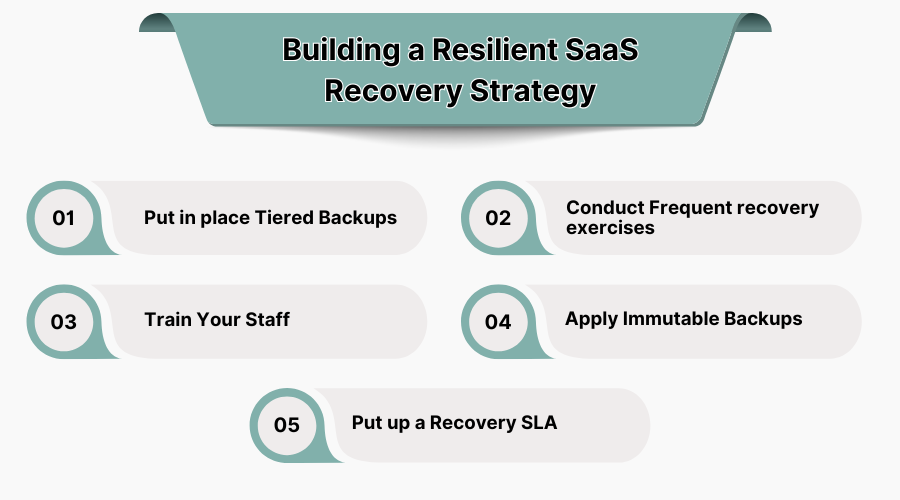
Professional recovery services are essential, yet prevention and preparedness should not be excluded. These are the ways in which SaaS companies can boost their data resilience:
1. Put in Place Tiered Backups
Apply 3-2-1 backup plan: 3 copies of any information, at least two various media, and at least 1 off-site / cloud-based.
2. Conduct Frequent Recovery Exercises
Simulate a system and data failure and test the speed that your team retrieves systems and data.
3. Train Your Staff
Educate train developers and admins on safe coding and procedures to employ in updating.
4. Apply Immutable Backups
Make sure that one of the backup version is read-only, which prevents encrypting by ransomware.
5. Put Up a Recovery SLA
Liaise with an organization such as SALVAGEDATA to sign a formal recovery agreement that has specific recovery time and recovery fees stipulated in writing.
The Bottom Line: Proactive Recovery is Smart SaaS Strategy
When you have a SaaS business, then data has been a competitive advantage as opposed to just a technical resource. A slackened pace of recovery may not only drain you of files but also of users, associates and market credibility. This is why paying to get special data recovery services is not a cost, and it is an investment in the future of your platform. When collaborating with a reputable provider, SaaS companies can cope with any crisis in a calm mood and fulfill client requirements with no hesitation.