
SaaS startups need a great technical foundation if they are to thrive in the competitive market. Software engineers are not just technical contributors but are strategic partners for the success of SaaS startups.
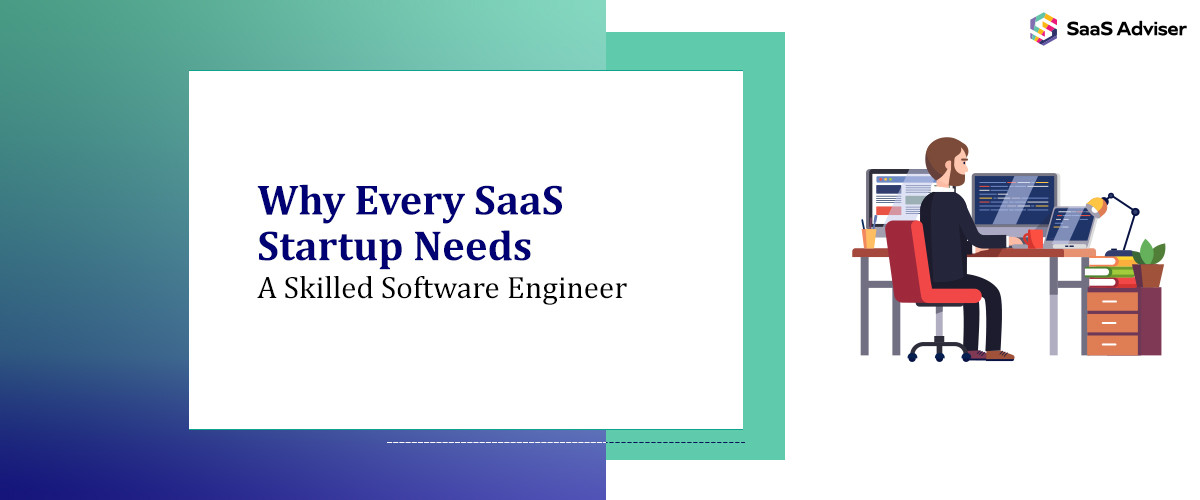
Let’s start with finding out what does a software engineer do and why it is an essential part of composing, preserving, and scaling a product. The SaaS application’s software engineers are responsible for creating a scalable and reliable codebase. They develop the product’s actual features, adequate usability, and alignment of the product with the needs of the end users. On one hand, analytical engineers work on performance bottlenecks to improve customer satisfaction and retention, while on the other hand, they engineer ingenuity to introduce new functionality that extends the life of the system and enhances customer experience.
.jpg "Skilled Software Engineer")
Building a Strong and Scalable Product
The quality of the product is crucial to the success of a SaaS startup. The product, of course, starts with its software architecture, which is entirely crafted by the software engineers. This allows the company to grow without breaking the foundation that can now handle the increasing user loads. This optimization was done by them, who ‘know how’ that product works and its seamless functioning due to heavy demand.
Apart from founding the framework, engineers emphasize the user experience. They streamline customer feedback and workflow to make the software intuitive and efficient. This greater focus on usability sets SaaS companies well apart from their competition in the marketplace.
Ensuring Reliability and Security
A key aspect of SaaS is reliability, and software engineers spend endless hours to ensure that it is secured. There is a rigorous testing procedure that will identify and solve bugs before they hit users. Real-time monitoring tools provide engineers with a means to monitor system performance and gain knowledge when any issues arise, thereby resolving them efficiently and quickly.
It is also the field of another critical security area: engineering software. Because startups usually handle sensitive customer data, the security of sensitive customer data is non-negotiable. Protocols are encrypted by engineers, up defenses are updated, and industry regulations such as GDPR are assured to be complied with. They add data to build trust between the company and its customers by safeguarding data.
Driving Innovation and Staying Competitive
Software engineers are instrumental in breaking through in an industry where innovation wins or loses a startup. So, what does a software engineer do in this context? Through integrating new emerging technology, such as machine learning, artificial intelligence, or blockchain, they develop distinctive features allowing the solutions to real-world problems. This ability to innovate enables the company to keep up with a looming marketplace saturated with options and other companies.
This speeds up the release cycle for updates and new features so the software engineers can also maintain the streamlined development cycle. They have expertise in automation and agile methodologies to optimize workflows and shorten the time from ideation to life. This speed and agility allow startups the freedom to adapt to the market demands at speed and agility.
Long-Term Value of Skilled Engineers
Getting a good software engineer may feel like an exorbitant investment for a startup, but it pays back so much over the long term that it's worth every cent. Quality code reduces the chance of expensive errors and system failures and saves the time and resources that would have been cost to fix mistakes later. Additionally, engineers see the technical decisions through business goals, enhancing alignment and better collaboration across the teams.
At the same time, they also add to the innovation and continuous improvement culture. And that is how the startup has been able to adapt to changes and new technologies, making sure that they are lagging behind either. Therefore, they prove to be very versatile team members which helps the company and the company’s growth.
Supporting Scalability and Growth
The preparation of a SaaS startup in the sense of future scalability and growth is an important case of how a skilled software engineer helps a SaaS startup. However, since startups get traction, the demand for their services usually increases exponentially. Systems grown to that level without sacrificing either performance or reliability is the goal of engineering design. They include building scalable architectures, optimizing database systems, and managing the cloud-based infrastructure to enable smooth scaling.
In addition, engineers know that scale will bring with it additional load times, server downtime, or integration issues with third-party tools. They foresee in time and proactively avoid disruptions and keep the startup in a good customer experience as it grows. Such versatility helps to ensure operational efficiency at the same time as laying the groundwork for future success in a competitive field.
Real-World Examples of Impactful Contributions
Dropbox: Revolutionizing Cloud Storage
Skilled engineers in Dropbox are showcases of how much utility a little team can have. Its engineering team managed to redefine how users interact with cloud storage by creating a simple yet efficient file synchronization system, defining the way for innovation within this industry.
Slack: Transforming Workplace Communication
An interface of intuition, built by Slack’s engineers to make it easy to collaborate with a team. With Slack, offices communicated seamlessly and revolutionized the way workplaces functioned, hence the tool has become vital for any organization.
Zoom: Leading Virtual Communication
It was the engineering team within Zoom that developed a platform that gave its name to reliability and scalability, and without which, the relative success of Zoom would have been impossible. With a focus on ease of use and reliable performance, Zoom became a leader in virtual communication and ensured the connection of the world during critical hours.
Challenges Faced By Saas Startups Without a Proper Engineer Talent
.jpg "Challenges Faced By Saas Startups")
SaaS startups that do not have skilled engineering talent may end up with some troubles that can jeopardize their growth and reputation.
-
Technical Debt: A poorly written code may incur too much maintenance and instability.
-
Slow Innovation: Trouble to create new features or enhance the user experience plays a large role in ensuring that the startup falls behind competitors many times.
-
Scalability Issues: Performance is put off because it is unable to handle growing user bases and data loads.
-
Cybersecurity Risks: Sensitive user data is eroded by any software vulnerabilities it exposes.
-
Customer Dissatisfaction: Customer loyalty and the potential to capture revenue are destroyed when there are bugs, delays, and compromised platforms.
These challenges are overcome through skilled engineering, and without that, the chances of success are slim.
How SaaS Startups Can Attract and Retain Top Engineering Talent
With a competitive market comes the need to attract and retain top engineering talent for a SaaS startup to thrive. Here's how they can achieve it effectively:
-
Competitive Compensation and Benefits: To attract the best talent, startups need attractive salaries and benefits like equity options, performance bonuses and complete health package. These are signs that they remain long term, and that they care about and value potential employees.
-
Flexible Work Environment: Engineers looking for a balance in life and work prefer working remote with flexible hours. Adaptability and understanding that modern workplace preferences lean towards remote collaboration are evidenced by providing state-of-the-art tools and resources for remote collaboration.
-
Challenging and Meaningful Projects: Innovative projects draw engineers to them because they allow growth and an impact. Interviews and job posting for a SaaS startup can highlight their mission, cutting-edge technologies, and opportunities to solve challenging problems.
-
Professional Growth and Development: This may encourage engineers to stay. The training programs, certifications, mentorship and access to conferences allow the employees to stay engaged and have their “expertise sharpened even further.”
-
Building a Strong Company Culture: It is important to have a culture that is collaborative and inclusive. It is important for startups to foster open communication, teamwork and the identification of each person’s contribution. Environments that value the well-being of both engineers’ professional and personal life are much better appreciated by engineers.
-
Recruitment Strategies: Startups need to enhance their employer branding to grab top talent, and therefore, they need to present the success stories of how innovative products were used and employee testimonials. Specialized platforms, social media, and getting connected to the appropriate people in the tech community help in connecting to the best candidates. Effective cloud engineer recruitment often involves targeting niche communities and highlighting the technical challenges candidates will solve.
-
Retention Through Appreciation: Fostering loyalty is regular feedback, rewards, and, best of all, acknowledgment of achievements. The celebration of the company's and personal milestones indicates the pleasant relation between an engineer and the company.
Engineers as the Catalyst for Success
Knowing what a software engineer does explains why they are essential to running a SaaS startup. From reliable builds to scalability of the product to innovation, these are professionals who are ubiquitous in every aspect of the business and are instrumental in every aspect of the business. And, aside from handling the technical challenges, they are in sync with the company’s other undertakings, making them strategic allies in achieving success.
Given the strategic importance of having skilled software engineers for startups that have the mission of disrupting the industry and delivering exceptional value to customers, this is important. Contributions from the SaaS world help SaaS companies thrive in a competitive environment, bringing visions into reality, and turning challenges into possibilities.