

Make More Secure your Mobile by Adding Passwords
Your phone holds everything—messages, finances, and private data. But what if someone gets access? That's why locking apps is essential! Wondering how to put a password on apps? Here comes the best password management software in USA. Whether it’s banking, social media, or personal files, securing them helps you manage app passwords and stay in control. Plus, there are apps that you can lock for extra protection. In this guide, we'll show you simple ways to lock apps on your phone and boost your security. Let's get started!
What is the Concept of Password Protecting Apps?
Have you ever asked yourself whether "Can you lock apps?" The answer is YES! Securing your apps with a password only adds an additional layer of cloud security that stops unauthorized people from accessing your information. Many iPhone application development services now focus on integrating advanced security features like Face ID, Touch ID, and encrypted app locking to enhance privacy. How do you put a password on apps? It's really simple! Virtually every device provides an option to enable a password for a particular application, or one can use tools from third-party sources to lock sensitive apps. It does not matter if it's the bank or accessing your social media or private files. As long as you have the app password, the data remains secure. In a world of digital threats, securing your apps isn't just smart—it's essential!
Why is the Idea of Password Protection Important?
Today, we keep all personal messages and bank information on our phones, which is why an app should not be forgotten to be in the apps on your phone. Your sensitive personal data will be the most important thing you can keep private and secure by adding a password to your apps. Here is the reason why locking apps is way too vital:
1. To Protect Your Privacy
Your phone is like a digital diary where you keep your memories, spend time with loved ones, and work with technological advancements in society. If you don't know how to put passwords on apps, anyone who comes across your device can easily open and access your important information without you even knowing about it. And, of course, using the app password to protect your private data from the world's prying eyes is crucial.
2. To Prevent Unauthorized Access
Have you ever handed your phone to someone and worried they might open the wrong app? Whether it's kids playing games or someone borrowing your device, setting up Android lock apps or app-specific passwords stops unauthorized access.
3. To Keep Your Data Safe
Hackers and cyber threats are the two most significant issues to deal with. In this way, a simple lock app feature is a great security measure to keep your important data safe. Lock your apps, protect your privacy, and keep your data safe.
How to Lock Apps on iPhone?
With the latest iOS update, Apple offers a built-in iPhone app lock feature for added security. If you’ve ever wanted to know how to put a passcode on apps, you can now easily secure respective apps in Settings. Moreover, there are extra ways to fortify your privacy and protect your data from unauthorized access. The process is here!
1. Use Guided Access
One of the easiest ways to temporarily lock apps is by using Guided Access, which restricts access to a single app. Here's how:

- Step 1: Go to Settings, navigate to “Accessibility”, and select guided access.
- Step 2: Enable Guided Access and set a passcode.
- Step 3: Open the app you want to lock.
- Step 4: Triple-click the Side/Home button to activate Guided Access.
- Step 5: The app remains locked until you enter your passcode to exit.
2. Use Screen Time to Lock Apps
If you're looking for a way to limit access to apps, Screen Time can help:

- Step 1: Go to Settings > Screen Time > App Limits.
- Step 2: Select the apps you want to restrict.
- Step 3: Set a time limit (as low as 1 minute).
- Step 4: Once the limit is reached, a passcode is required to continue using the app.
3. Use Face ID or Touch ID for Supported Apps
Some apps, like banking and password managers, allow Face ID or Touch ID protection:
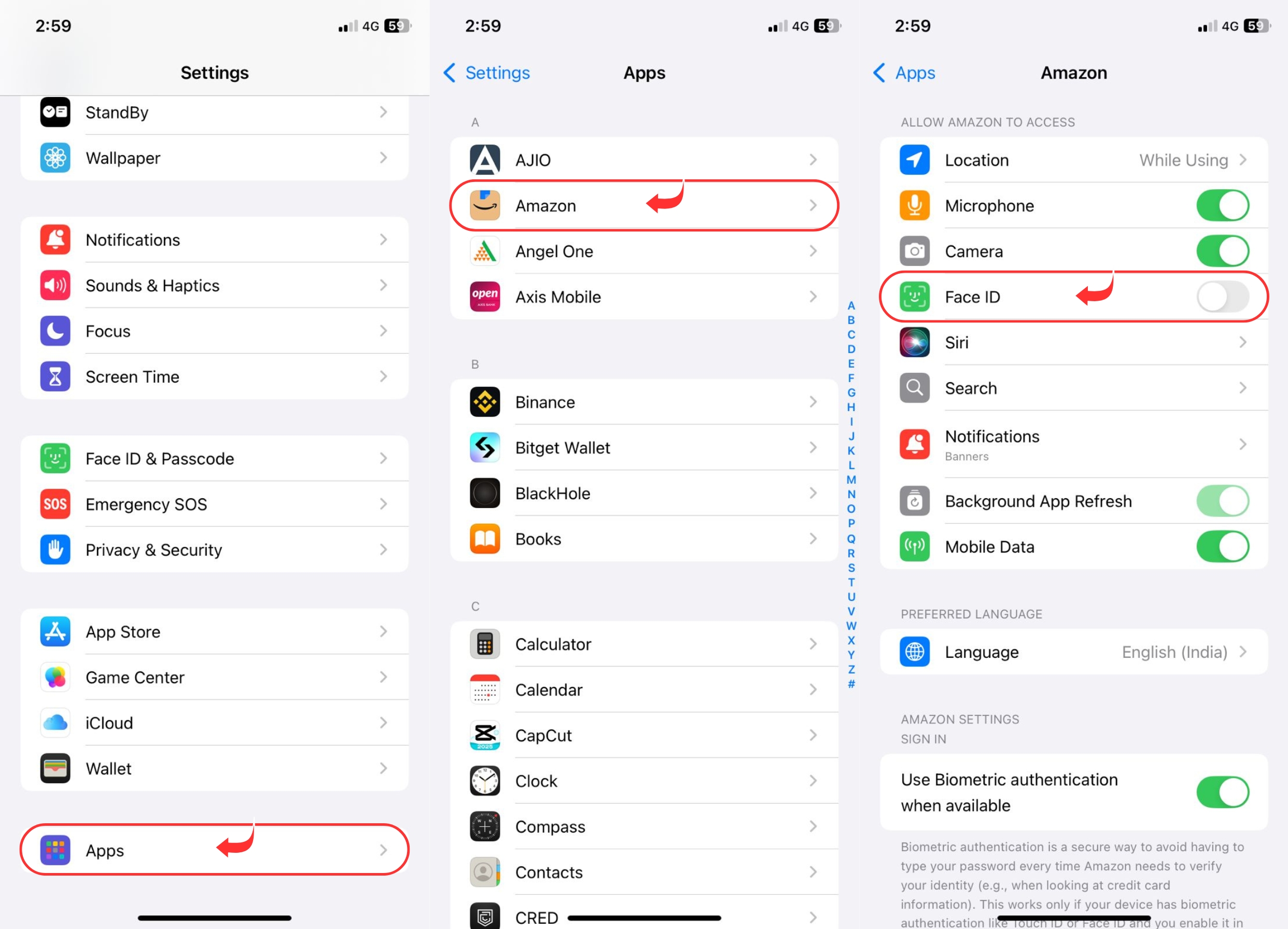
- Step 1: Open the app's settings.
- Step 2: Look for "Require Face ID/Touch ID.”
- Step 3: Enable it for secure access.
How to Lock Apps on Android?
If you're wondering, "How to put password on apps?" Android offers multiple ways to add an extra layer of security. Here's a quick guide on how to lock applications in Android and protect your data.
1. Use Built-in App Lock Feature
For managing Android devices, like Samsung, OnePlus, and Xiaomi, come with a built-in app lock feature. Here's how to put a password on apps using this option:
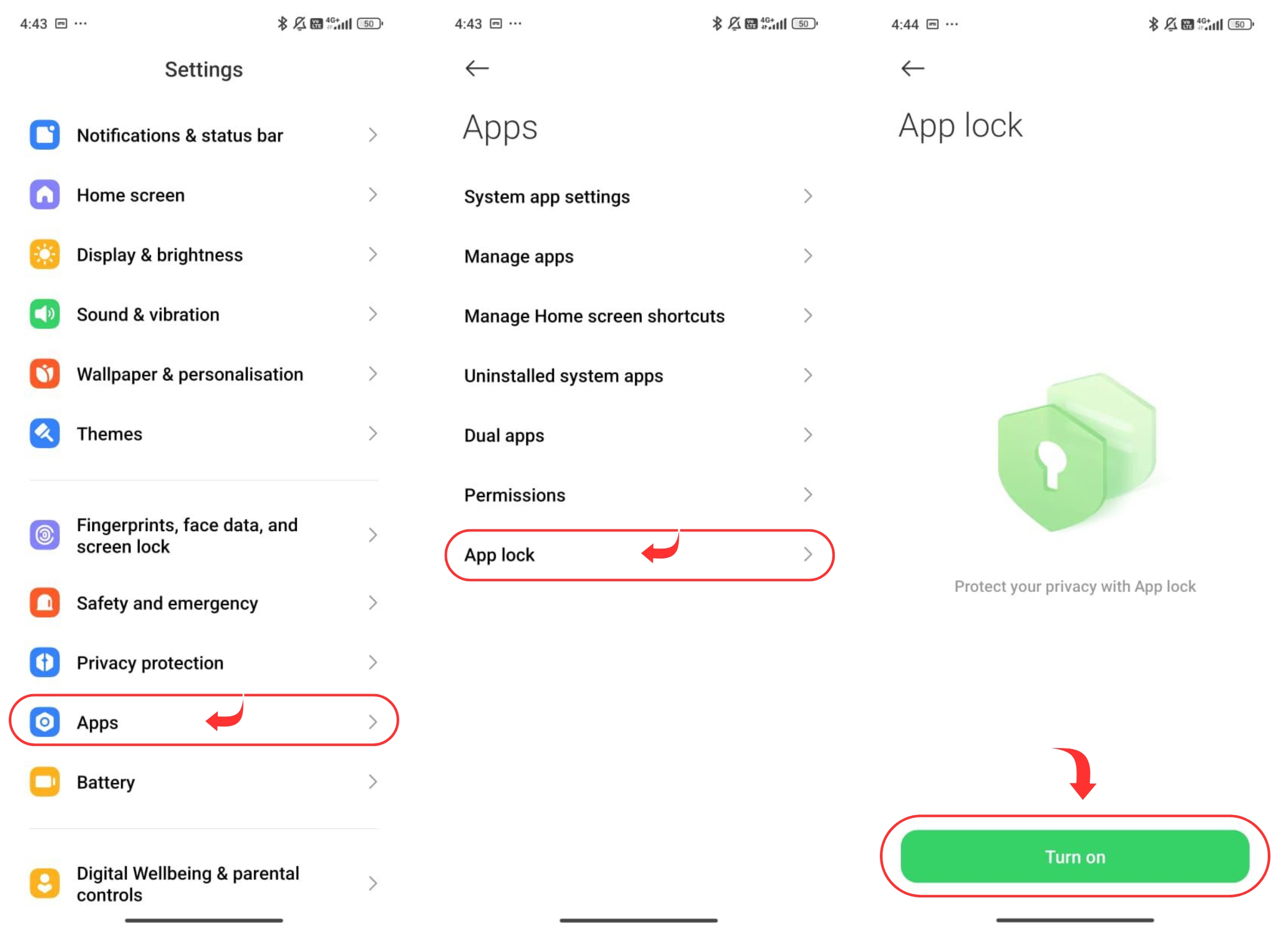
- Step 1: Go to Settings > Security & Privacy > App Lock.
- Step 2: Select the apps you want to lock.
- Step 3: Set a PIN, password, or fingerprint for access.
2. Use Third-Party Android Lock Apps
If your phone has no built-in option, you can install Android lock apps like AppLock or Norton App Lock from the Play Store. These apps let you lock any app with a password, pattern, or fingerprint.
2. Use Secure Folder (Samsung Users)
For Samsung users, the Secure Folder feature provides extra privacy:
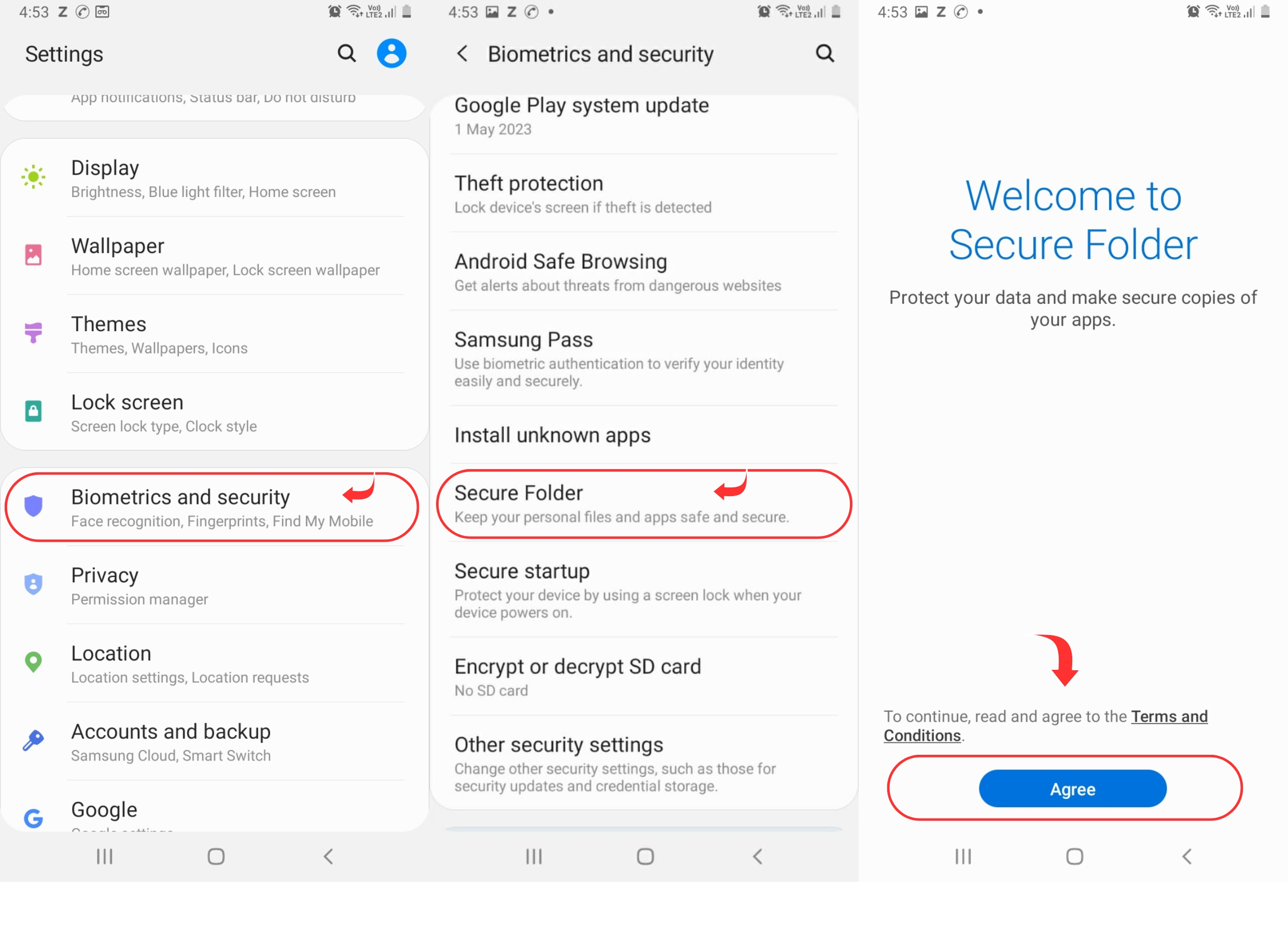
- Step 1: Go to Settings > Biometrics & Security > Secure Folder.
- Step 2: Set it up and move apps inside the folder for added protection.
How can you Lock Apps on iPhone in Earlier iOS Versions?
To lock apps on iPhone in earlier iOS versions, you can use Screen Time (iOS 12 and above) to set time limits on apps, effectively locking them after usage. For older versions, you can use Guided Access to lock the device to a single app. Third-party apps can also provide app-locking features, though they are not recommended for security reasons.
Tips and Tricks so you can Lock App on the Phone
Locking apps on your phone is crucial for privacy. Here are some tips to keep them secure:
1. Use Strong, Unique Passwords
Make your passwords complex and unique—avoid common guesses like "password123."
2. Enable Two-Factor Authentication
Add an extra layer of security for authentication with 2FA, requiring both your password and a second verification step.
3. Update Regularly
Change your passwords often to stay one step ahead of potential threats.
4. Skip Common Patterns
Don’t use easily guessed patterns like “1234” or “qwerty.” Go for random, secure combinations.
These simple tricks will help lock your apps and keep your data safe!
Conclusion
Ultimately, putting a password on apps is crucial to maintaining your privacy and keeping other people's personal data secure from people who could spy on it. To find out how to set passwords on apps, whether using inbuilt features such as Screen Time or third-party apps, you can prevent people from accessing sensitive information on your iPhone and Android devices. Take the time to implement these security measures and enjoy peace of mind knowing your apps are safe.
If you’re an Android user, you can easily lock an app. You can make use of the built-in App Lock feature (if that is available on your device), or you can resort to a third-party app like AppLock. All you need to do is download the app, create a PIN, password or fingerprint authentication, and then lock the apps that you want. This will prevent unauthorized access to your apps.
To set a passcode for apps on iPhone, use Screen Time. Go to Settings > Screen Time > Use Screen Time Passcode, set a passcode, then go to App Limits to select apps you want to lock with a passcode. Alternatively, use Guided Access for temporary app locking.



.png "Lead Capture: What It Is, Strategies to Do It Right, and Its Benefits")