

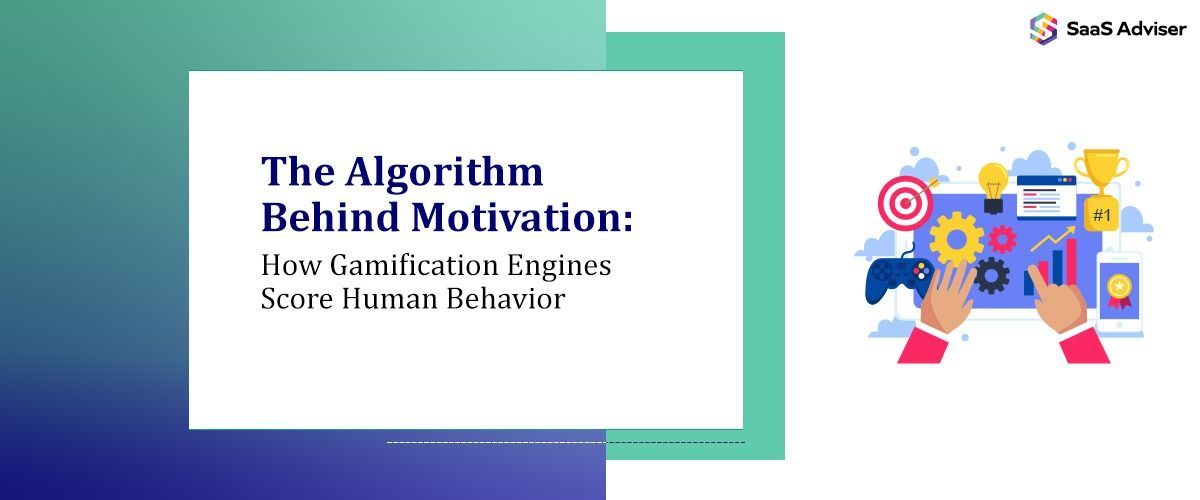
Gamification platforms do more than slap badges on what people do and call it engagement. Behind every setup with points and rankings sits something trying to figure out what actually gets each person moving. These things decide fast whether to dangle a reward, throw down a challenge, or just back off.
How sophisticated these platforms get varies all over the map. Basic setups track surface actions like logins and clicks. Advanced systems build user profiles, spot when people are about to quit, and customize rewards based on how individuals respond. The gap between these approaches changes everything for companies betting on gamification.
Scoring Models That Actually Work
Points are where most gamification platforms kick things off. Easy to understand, easy to implement. But here's where it gets messy. Point inflation kills motivation within weeks. Early adopters rack up thousands of points while new users stare at a mountain they'll never climb.
A few adjust how many points you get based on what's happening. Completing your first tutorial task might earn 100 points. Your hundredth similar action? Maybe 5 points. Things know when something gets old and shift rewards toward new stuff.
A lot of scoring systems compare users against similar groups rather than absolute values. You're not competing against someone who joined three years ago. You're measured against people who started the same week or belong to the same organizational role. Similar groups naturally form, creating fairer competition.
Behavioral Signals Beyond Button Clicks
The most revealing data often comes from what users don't do. Hesitation patterns tell you more than completed actions. Someone hovering over a button for 8 seconds before clicking shows different intent than someone who clicks immediately. These things watch how people move around, how far down they go, where they give up.
Timing matters a lot. Logging in daily for three weeks then disappearing suggests burnout, not a broken product. Some setups spot this pattern and back off, reducing how often they ping you or making challenges easier. Others figure out who shows up on weekends versus weekdays and time rewards accordingly.
Newer setups watch failures just as closely as wins. Attempting a difficult challenge ten times before succeeding reveals persistence that a single victory obscures. Bonus points for comeback attempts, special achievements for grinding through repeated failures, these rewards recognize the struggle.
Gaming Provides the Blueprint
A handful of scoring systems borrow heavily from how strategy games balance progression and challenge. Games nailed motivational mechanics decades before enterprise software discovered gamification. Players chase clear short-term goals while working toward medium-term objectives and eyeing aspirational long-term targets, all at once. Multiple progress bars fill at different rates to maintain this three-tier structure.
Difficulty curves in games offer lessons worth studying. Early levels feel achievable to build confidence. Mid-game complexity increases as players develop skills. Late game throws genuinely hard challenges that demand mastery of everything learned. Translating this to business software means your gamification setup can't treat every action as equally valuable. A junior employee completing basic training deserves recognition, but putting them on the same rankings as senior staff tackling complex projects just doesn't work.
Mixing up rewards from games injects uncertainty into the scoring system. Completing ten tasks might earn 50 points each time, but that predictability gets boring fast. Variable rewards change things. Ten completions might earn anywhere from 30 to 80 points with an average of 50. Users stay more engaged when they can't predict exactly what they'll get. The variation ranges come from user preference data collected by testing different options across thousands of interactions.
How Scoring Actually Works
Systems that work instantly handle things as they happen rather than crunching numbers overnight. This means building something that can chew through thousands of actions per second. Each action fires things off, looking at context, crunching point values, checking achievements, and updating rankings on the spot. Platforms nowadays run multiple scoring approaches simultaneously and compare results. One approach might focus on engagement, another on revenue impact, a third on learning outcomes. Platforms juggle these scores based on business priorities and serve up a combined picture.
The system constantly tunes scoring rules based on what actually happens. Users who rack up quick early points but bail after a few weeks? Things dial back initial reward rates. Nobody sits around making these calls. The system spots patterns in historical data and tweaks the numbers on its own.
Companies really invested in gamification often game outsource development to specialists who've built these systems before. The scoring piece is the trickiest to get right. Studios experienced in game outsource bring pattern libraries of what works across different user types and use cases.
Personalization at Scale
The ultimate goal here? Serving different rules to different users without manual setup. Early systems made administrators set up separate programs for different teams. This created maintenance nightmares. Modern setups automatically group users by behavior patterns and give each group what works for them.
Some users respond to competition and chase top positions aggressively. Others find competition demotivating and engage more with personal progress tracking. Smart setups pick up on these preferences through subtle cues and show each user what works for them. Competitive types see rankings. Progress-focused users see personal improvement charts. Same system, same underlying data, different presentation based on what drives each person.
Tweaking difficulty happens on the fly. If you're crushing challenges, things increase difficulty to maintain engagement. Struggling? It might introduce easier intermediate steps or provide hints. Games use this adaptive difficulty constantly but it shows up less often in business gamification platforms. Making these adjustments feel natural rather than calculated is the hard part.
Building Versus Buying
Most companies don't build gamification scoring from scratch. Getting this right rivals building how multiplayer games match players together. You need people who get how humans tick, can build stuff that scales, know how to work with AI, and can catch cheaters. Companies that game outsource this component often skip the trial and error phase that internal teams go through.
Places like Badgeville, Bunchball, and Ambition provide ready-made systems built for business use. They've processed massive amounts of data and improved how things work. You can't customize everything though. These solutions handle common use cases well but hit walls with highly specialized needs.
Some companies go with platforms that give them deep access to the code so they can tweak the scoring logic for what they specifically need. They get battle-tested core systems while adding their own rules that matter for their business. Companies with dev resources but not much gamification know-how tend to go this route.
What Actually Drives Long-Term Engagement
Scoring can chase the wrong stuff. High daily active users might come from addictive point-chasing that burns people out within months. Some systems focus on sustainable engagement measured over quarters and years, not days and weeks.
Linking progress to real-world goals rather than arbitrary point accumulation tends to get stronger investment. Gamified activities that connect to outcomes users actually care about outside the platform work better. Training modules by themselves feel hollow. Training modules that lead to promotion eligibility change the equation entirely. These things benefit from visibility into these broader contexts when weighting activities.
Autonomy matters way more than most gamification designers realize. Users hate feeling manipulated by obvious tricks. Staying invisible tends to work better. Users get the benefits of smart motivation design without consciously noticing the mechanics. Less is often more. Not every action deserves points. Not every achievement deserves a badge. Sometimes doing nothing is the right call.
The Evolution Ahead
Future scoring will grab more physical signals and situational info as privacy concerns get sorted out. Where you look showing whether you're paying attention, how quickly you hammer keys revealing whether you're stressed out. These signals open doors for personalization that today's platforms can't touch. Generative AI will let scoring systems actually talk to users about what's happening. Right now you earn 50 points and cross your fingers you get why. Future systems might explain in plain language, building trust instead of confusion. Companies that actually win with gamification throw serious money at their systems like it's the recipe to Coca-Cola. They test things constantly, adjust how scoring works every week, check results across quarters. The ones failing just bolt on basic point systems, treat gamification like decoration, then wonder why nobody cares after a few weeks.
Modern gamification engines use real-time data and behavioral signals to determine what type of reward best suits each user. This includes analyzing past activity, response to challenges, hesitation patterns, and even failure rates to provide customized rewards that keep motivation high.
Yes. Advanced platforms can automatically group users based on behavioral patterns and assign different scoring logic or interfaces. Competitive users may see leaderboards, while progress-driven users may get personalized achievement charts instead.
Sustainable models focus on more than daily engagement. They link activities to real-world goals, adapt difficulty over time, reduce reward fatigue, and keep the system invisible enough that users don’t feel manipulated — just motivated.
It depends on resources and needs. Off-the-shelf platforms like Ambition or Bunchball work for most standard use cases, while companies with unique needs may prefer a hybrid model: using proven frameworks but customizing the scoring logic in-house.

.jpg "Why You Need an Effective Cloud Management Platform")