.jpg)
Effective financial management is the backbone of any successful enterprise, yet many businesses still struggle with fragmented data and manual entry. Since the tools you choose today will determine your ability to scale tomorrow, it is vital to partner with the best accounting software companies that prioritize automation, security, and real-time visibility.
 Looking for Accounting Software? Check out SaaS Advisor’s List of the Best Accounting Software in USA for Your Business.
 Selecting the right platform is about more than just tracking numbers; it is about gaining a strategic advantage in a shifting economy. These modern accounting software companies are moving beyond simple ledgers to offer comprehensive financial software programs that integrate AI-driven insights and seamless cloud connectivity.
What Is Accounting Software?
Finding the right accounting software can be a daunting task, but as we move through 2026, a new era of Integrated Intelligence is making the process more intuitive than ever before. Whether you are a sole proprietor or a CFO of a large corporation, these solutions ensure your accounts are always audit-ready while freeing up your team to focus on high-value strategic growth.
At its core, accounting software is a digital solution used by bookkeepers, accounting professionals, and business owners to process financial transactions and manage accounts. These accounting software packages automate complex tasks such as invoicing, payroll, and tax reconciliation. By using the most used accounting software, businesses can eliminate the errors typically associated with manual spreadsheets.

Do You Know?
Over 80% of small businesses in the USA now use some form of cloud-based accounting software to manage their daily operations.
What are the Best Financial Accounting Software Companies in the USA (2026)?
The landscape of accounting software in the USA has evolved rapidly. Here are the top ten companies leading the transformation of finance this year.
1. QuickBooks – Smart Accounting For Growing Businesses.
QuickBooks Online is a cloud-based powerhouse that provides a comprehensive suite of financial tools ranging from automated bookkeeping to advanced inventory management. It serves as a central hub for business operations, allowing users to sync bank feeds, track expenses, and manage payroll within a single, cohesive ecosystem.
Reference: QuickBooks: Online Accounting Software for the Modern Business
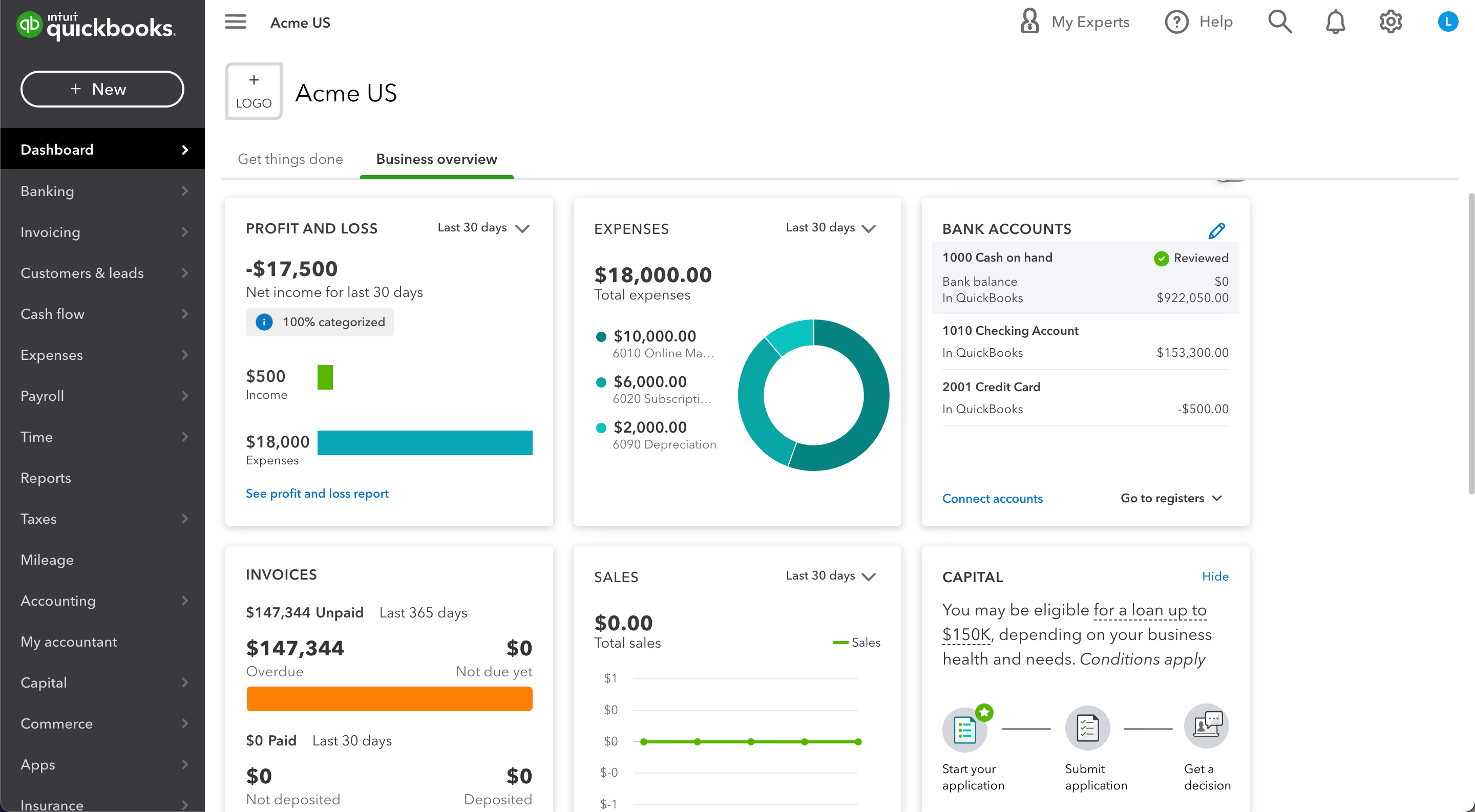
Why it stands out in 2026:
-
AI-driven expense categorization
-
Real-time GST compliance updates
-
Enhanced mobile app dashboards
-
Automated payroll for Indian SMEs
-
Smart cash-flow forecasting
Pros:
-
Easy to use for non-accountants
-
Strong integrations with banks and apps
-
Affordable for startups
Cons:
-
Limited scalability for large enterprises
-
Customer support delays
-
Advanced features are locked in higher tiers
Pricing: Starts at $19/month.
Reviews: Easy to use, even without an accounting background. Easy to set up and send out invoices to customers. Manage payments and send out receipts.
-
Rating breakdown: 4.5/5 good, Purav Rathi, Insurance Manager at ICICI Lombard General Insurance.
Why we like it: QuickBooks balances simplicity with power. It’s perfect for growing businesses that need automation without complexity. Its mobile-first approach makes accounting accessible anywhere.
CEO Sasan Goodarzi, Intuit: Our mission is to power prosperity around the world. In 2026, we are moving beyond being a record-keeping tool to becoming an AI-driven platform that makes the 'doing' of business invisible for our customers.
2. Oracle NetSuite – The #1 Cloud ERP For Modern Enterprises.
NetSuite is a unified Enterprise Resource Planning (ERP) solution that integrates accounting, CRM, and e-commerce into one powerful cloud-based system. It is specifically designed to handle the complexities of multinational corporations, providing real-time visibility across various subsidiaries and departments.
Reference : What Is NetSuite ERP & How Does It Work?
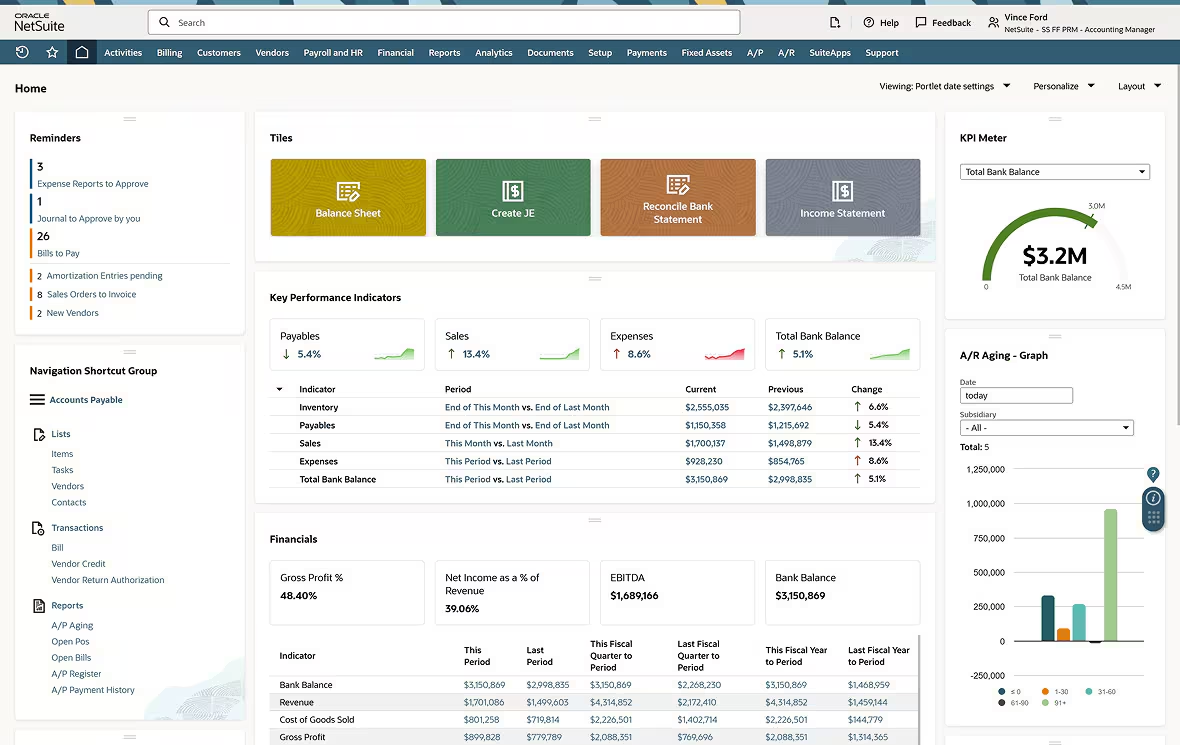
Why it stands out in 2026:
-
AI-powered financial close automation
-
Global tax compliance engine
-
Advanced analytics dashboards
-
Industry-specific ERP modules
-
Seamless integration with Oracle Cloud
Pros:
-
Enterprise-grade scalability
-
Strong compliance features
-
Deep customization options
Cons:
-
Expensive for SMEs
-
Complex implementation
-
Requires training for full use
Pricing: Custom quotes for pricing.
Reviews: NetSuite puts the latest data in front of stakeholders in real time. No more waiting for the latest dataset to be loaded by accounting; it's already there!
-
Rating breakdown: 4.3/5 good. Verified User
Why we like it: NetSuite is the gold standard for enterprises. Its 2026 AI upgrades make financial management faster and more accurate. It eliminates data silos by keeping everything in one unified system.
CEO Safra Catz, Oracle: Demand for our AI-driven cloud services is at an all-time high. We are helping organizations instantly unlock the value in their data by making it accessible to the most advanced AI reasoning models.
3. Sage – Accounting That Simplifies Every Step.
Sage offers a sophisticated range of accounting solutions that bridge the gap between traditional desktop reliability and modern cloud flexibility. It is particularly strong in sectors like construction, manufacturing, and real estate, where job costing and complex inventory management are essential.
Reference: Sage Intacct
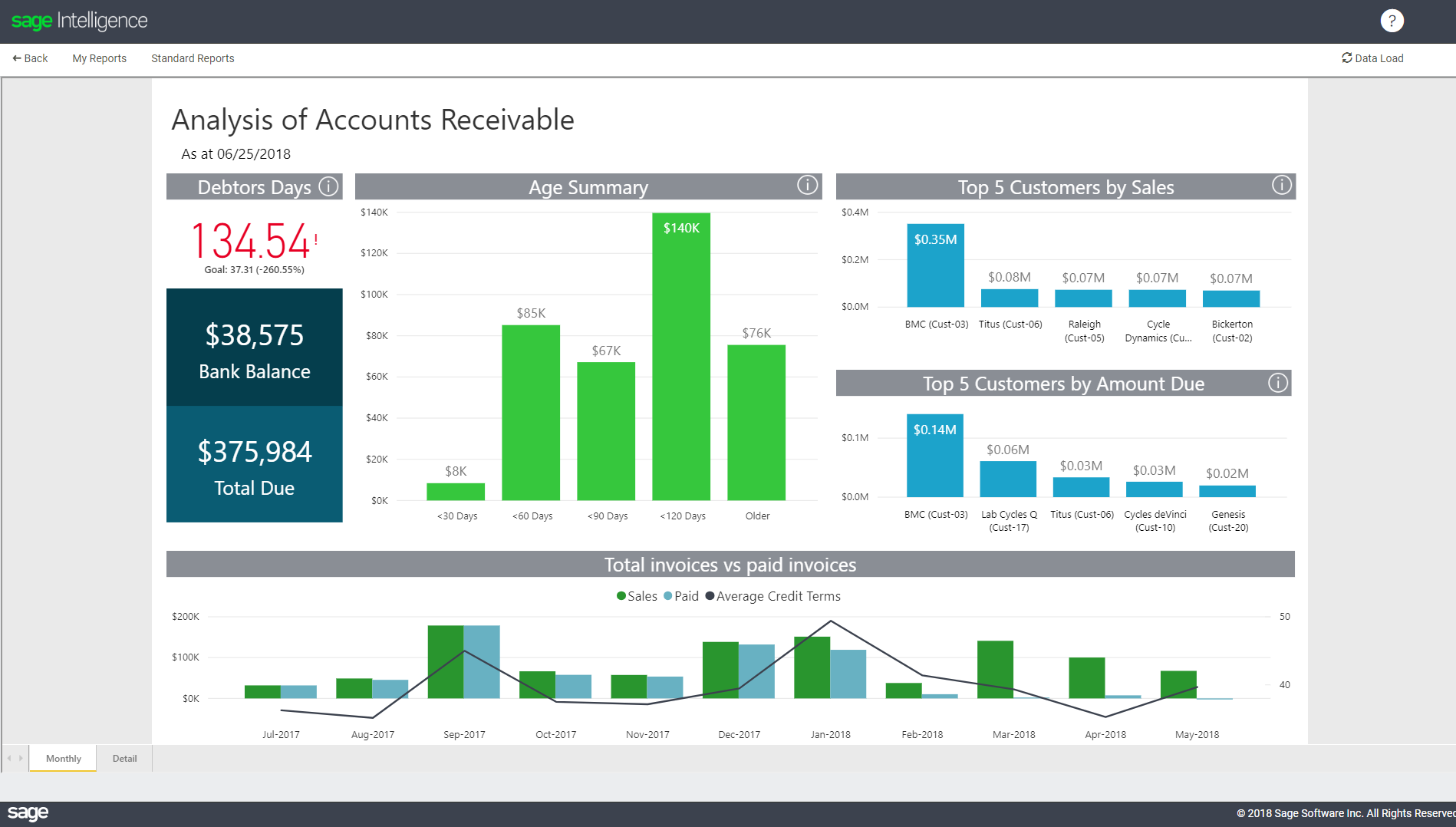
Why it stands out in 2026:
-
AI-driven invoice reconciliation
-
Cloud-native payroll updates
-
Enhanced GST filing automation
-
Mobile-first reporting
-
Integration with Indian banks
Pros:
-
Strong compliance tools
-
Easy payroll management
-
Affordable mid-tier pricing
Cons:
-
Interface feels dated
-
Limited third-party integrations
-
Customer support inconsistencies
Pricing: Starts at $124.42 /month for Sage.
Reviews: I have recently changed to Sage Cloud Accounting and when I have contacted your help line, I have found their assistance amazing. Nothing is a bother for them and I am completely happy with this service.
-
Rating breakdown: 5/5 excellent, Brenda.
Why we like it: Sage simplifies compliance-heavy tasks, making it ideal for Indian SMEs. Its payroll automation is a standout. It offers a perfect balance between traditional reliability and modern AI features.
CEO Steve Hare, Sage: AI is opening up new possibilities. We are focused on enabling businesses to enhance and accelerate their benefits through our platform while staying bold in our technological risks.
4. Xero – Beautiful Business Accounting in the Cloud.
Xero is a modern, top cloud-native accounting platform known for its beautiful interface and emphasis on collaborative workflows. It simplifies complex accounting tasks for small business owners by offering an intuitive dashboard that connects directly to over 1,000 third-party applications.
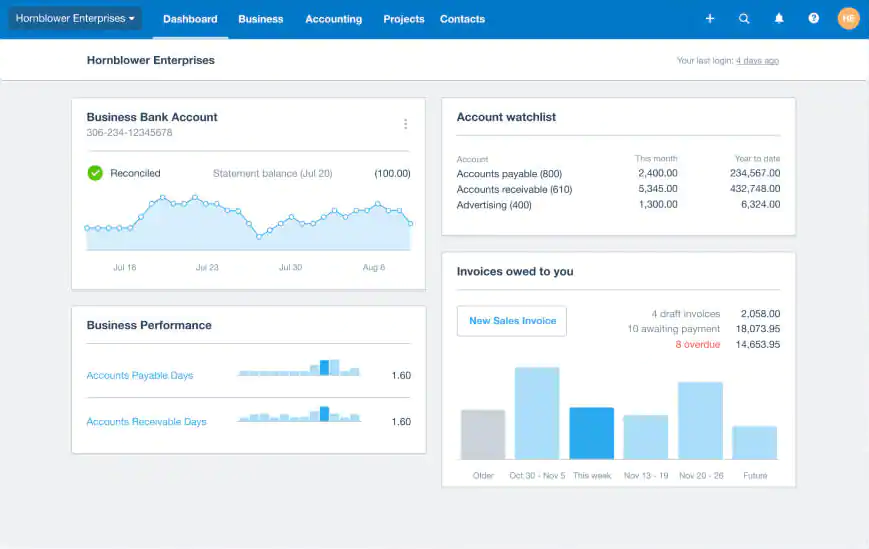
Why it stands out in 2026:
-
AI-driven reconciliation
-
GST-ready compliance tools
-
Advanced reporting dashboards
-
Strong ecosystem of apps
-
Mobile-first design
Pros:
-
Intuitive interface
-
Excellent app marketplace
-
Strong collaboration features
Cons:
-
Pricing higher than competitors
-
Limited payroll in India
-
Requires internet connectivity
Pricing: Plans typically start at $5/month.
Reviews: It was super helpful and resolved an issue that has been going on for a while; very patient and more than happy to help.
-
Rating Breakdown: 4.6/5 good, Johanna Greer
Why we like it: Xero’s design-first approach makes accounting less intimidating. Its ecosystem is unmatched. It makes financial software programs feel modern and accessible rather than a chore.
CEO Sukhinder Singh Cassidy, Xero: We are building a mature global platform that understands accountants' needs better than anyone else, driving transformation through distributed leadership and innovation.
5. FreshBooks – Invoicing and Accounting Made Refreshingly Easy.
FreshBooks is service-oriented accounting software designed specifically for freelancers, consultants, and small agencies. It focuses heavily on the Invoice-to-Payment lifecycle, ensuring that professionals can bill for their time and get paid faster with minimal administrative friction.
Reference: What Is FreshBooks? Accounting Software
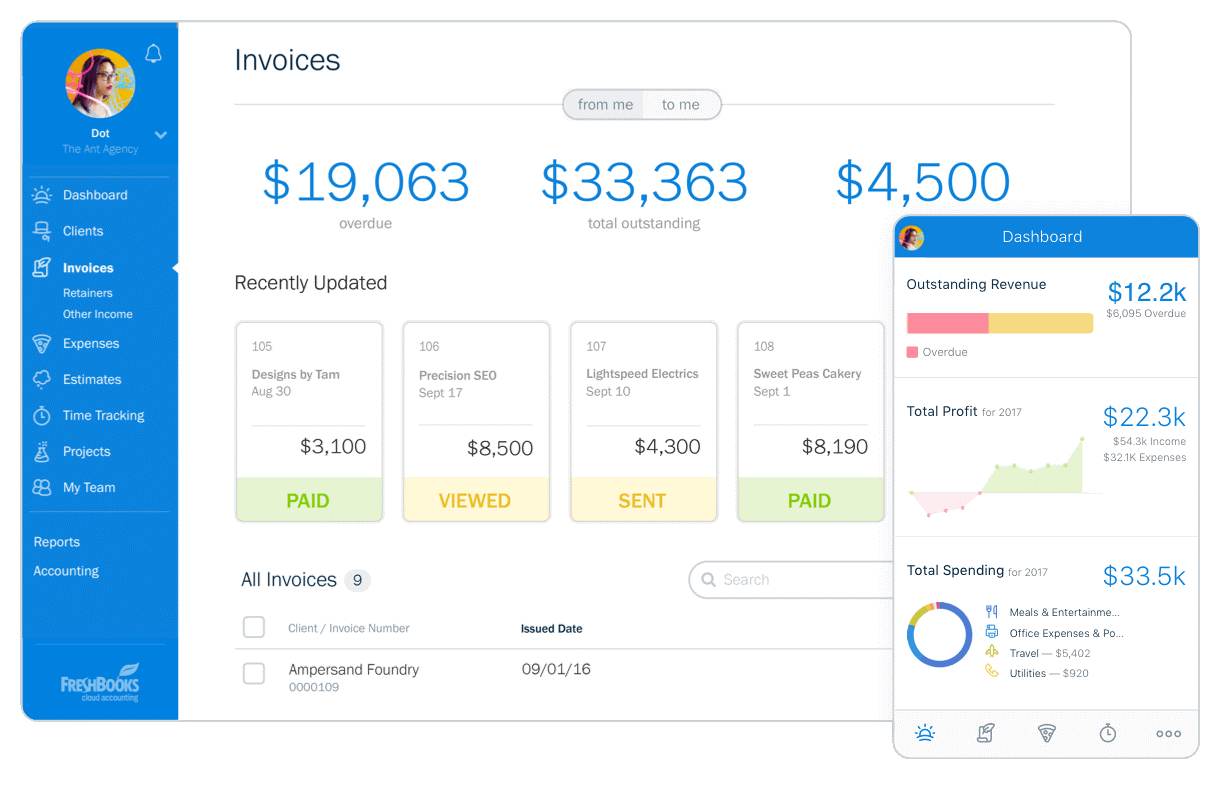
Why it stands out in 2026:
-
Faster invoice-to-payment workflows
-
AI-powered expense categorization
-
Improved project profitability tracking
-
Enhanced mobile app performance
-
More payment gateway options
Pros:
-
Excellent invoicing features
-
Simple and clean interface
-
Strong customer support
Cons:
-
Limited inventory management
-
Not ideal for product-based businesses
-
Higher tiers needed for advanced features
Pricing: Starts at $8/month.
Reviews: Tremendously helps me to track daily output services I've delivered, invoice clients and get paid faster. Suit all SMBs and LGOs for payment processing, online billing and subscription services, EMP among there account tasks and slice and dice services.
-
Rating breakdown: 4.3/5 good. Omkar Saxena, Business Manager At Uflex Pvt Ltd.
Why we like it: It reduces the time spent on paperwork, allowing owners to focus on clients. FreshBooks keeps billing stress-free. It helps businesses get paid faster. Ideal for service-driven teams.
CEO Donal Malarkey, FreshBooks: We prioritize making bookkeeping capture expenses in real-time, ensuring that small business owners can manage their finances through detailed, real-time reports without the headache.
6. Kashoo – Simple Accounting For Small Business Owners.
Kashoo is a minimalist accounting tool built for solopreneurs and small business owners who prioritize speed and simplicity over complex features. It streamlines the bookkeeping process into an Inbox-style workflow, where transactions are automatically pulled and ready for quick categorization.
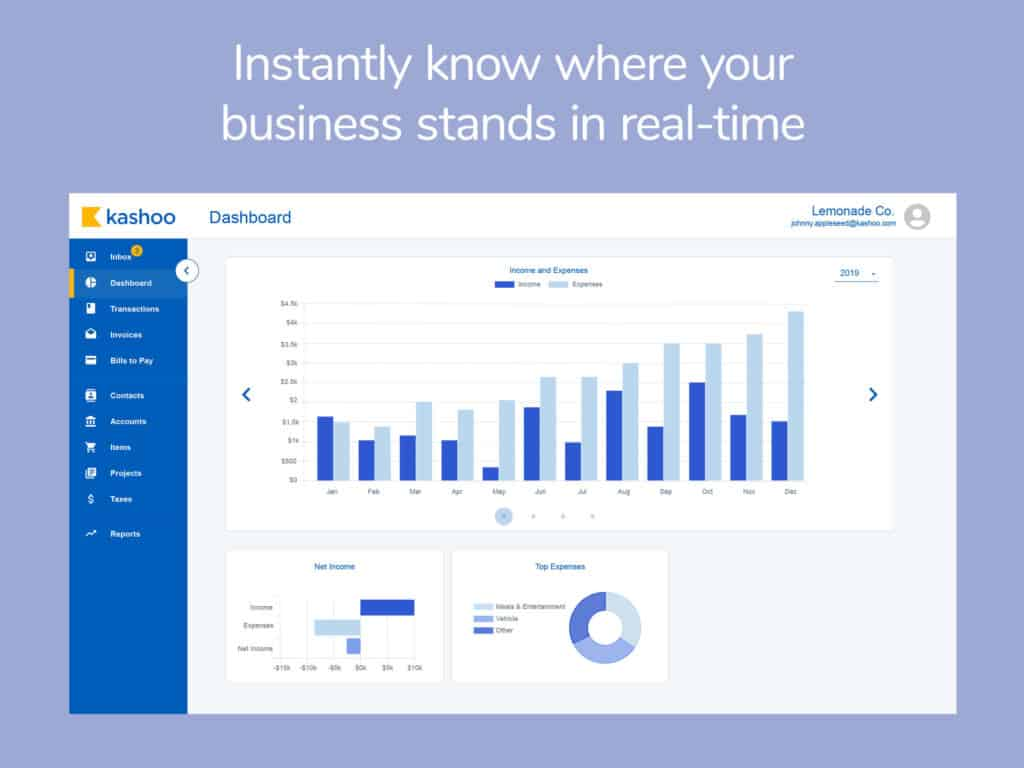
Why it stands out in 2026:
-
Smarter transaction categorization
-
Improved reporting for tax season
-
Faster cloud performance
-
Simplified onboarding process
-
Better bank connectivity
Pros:
-
Extremely easy to use
-
Affordable pricing
-
Clean, distraction-free interface
Cons:
-
Limited advanced features
-
Fewer integrations
-
Not suitable for scaling enterprises
Pricing: Starts at $20/month.
Reviews: Ease of Use. Kashoo is a very friendly cloud-based accounting system and is very easy to get started with.
-
Rating Breakdown: 3.5/5 on average, Administrator in Information Technology and Services
Why we like it: It is built for the business owner, not just the bookkeeper. Kashoo respects your time. It avoids unnecessary complexity. Perfect for solo founders and micro-businesses.
CEO Yves Millette, Kashoo: We believe in simplicity and clarity. Our version of accounting is built from the ground up on machine learning so you spend less time on bookkeeping.
7. Microsoft Dynamics 365 – Intelligent Finance for a Connected Business.
Dynamics 365 Finance is an enterprise-grade solution that combines deep financial management with the power of the Microsoft ecosystem. It uses Copilot AI to transform raw data into strategic insights, making it a favorite for organizations that already rely on Office 365 and Teams.
Reference: Microsoft Dynamics 365 Business Central
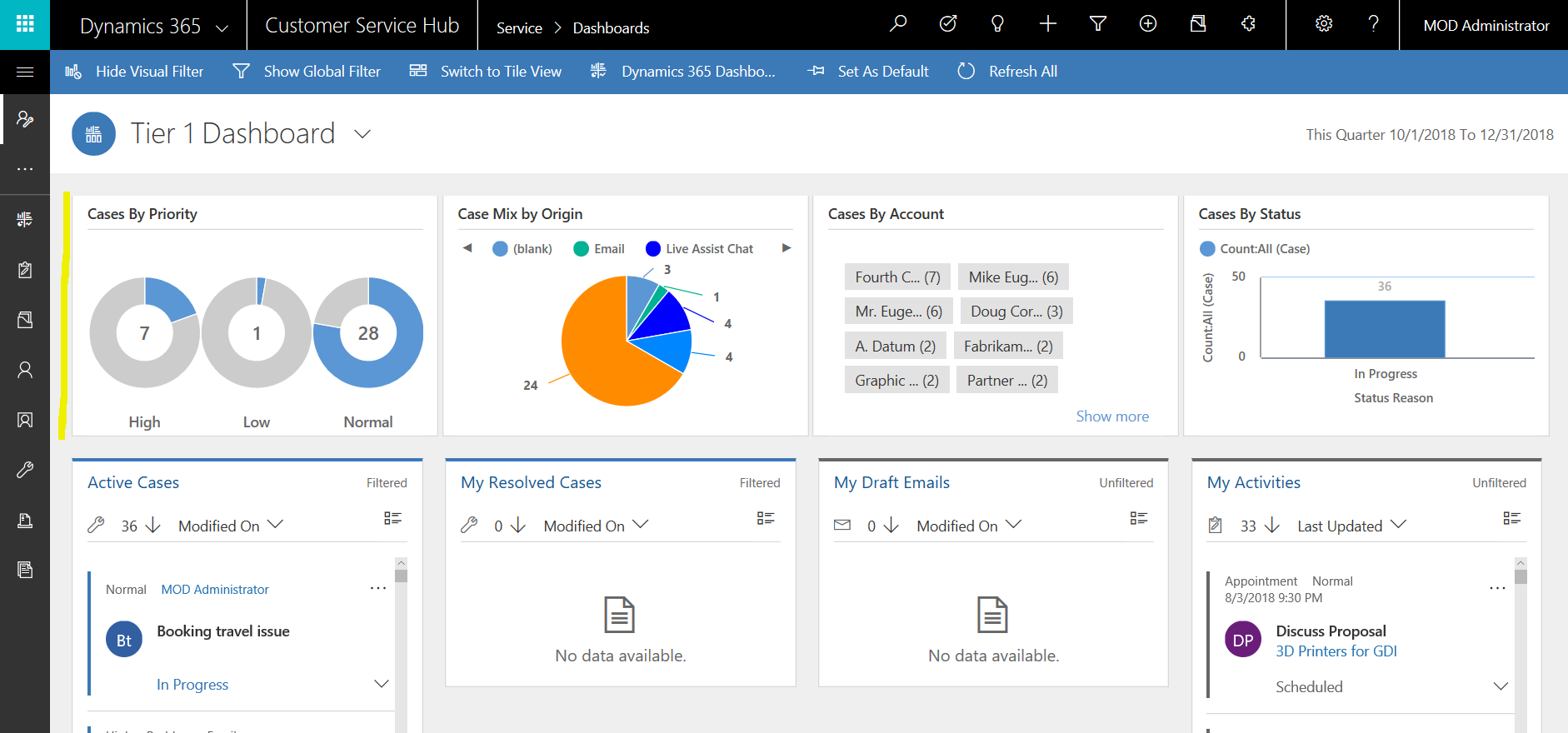
Why it stands out in 2026:
-
AI-powered financial forecasting
-
Deeper Power BI analytics integration
-
Improved automation for compliance
-
Smarter cost optimization tools
-
Enhanced cloud security features
Pros:
-
Powerful analytics and reporting
-
Seamless Microsoft ecosystem integration
-
Highly scalable
Cons:
-
Complex implementation
-
Higher licensing costs
-
Requires technical expertise
Pricing: Tiered based on Finance and Business Central modules.
Reviews: The best of Microsoft OS Denmark in the whole world, but not everything is in harmony. Known for its intelligence for a connected business.
-
Rating breakdown: 5/5 excellent, Steffen Jorgensen
Why we like it: It treats AI as a scaffolding for human potential rather than a replacement. Dynamics 365 turns data into strategy. It’s built for connected enterprises. Excellent for finance-led decision-making.
CEO Satya Nadella, Microsoft: 2026 is the year AI moves from theory to practice. We think of AI as a cognitive amplifier tool that helps people achieve their goals faster and with more substance.
8. Zoho Books – Smart, Simple, and Compliant Accounting.
Zoho Books is online accounting software that helps you manage your finances, automate business workflows, and work collectively across departments. As part of the massive Zoho suite, it offers a level of integration that is difficult for standalone accounting tools to match.
Reference: Zoho Books: Online Accounting Software
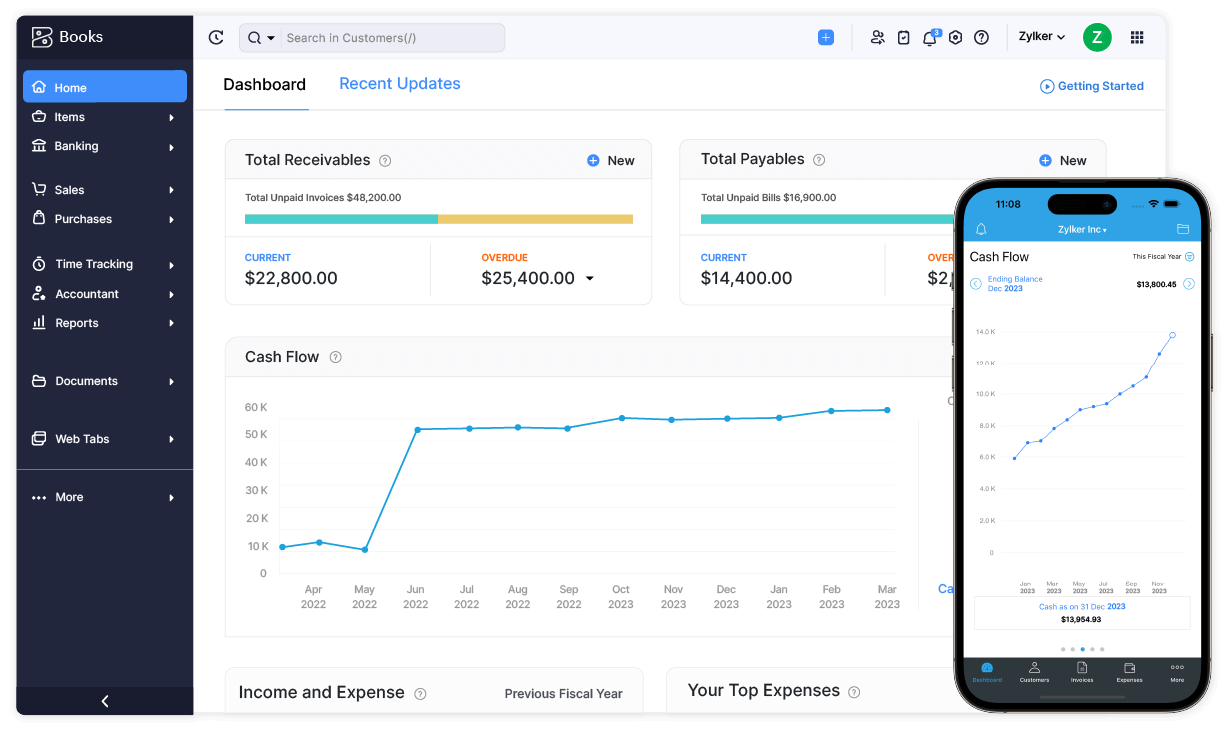
Why it stands out in 2026:
-
Smarter GST compliance automation
-
Improved workflow customization
-
Enhanced mobile accounting features
-
Faster reporting dashboards
-
Deeper Zoho app integrations
Pros:
-
Affordable pricing
-
Strong compliance features
-
Seamless Zoho ecosystem
Cons:
-
Limited advanced reporting
-
UI less modern than competitors
-
Best suited for Zoho users
Pricing: Starts at $8.32/month.
Reviews: The simplicity and ease of use have left me in awe. I never thought that accounting could be so simple and practical. Everything is arranged so brilliantly and coherently that every step I take is like a graceful dance to financial success.
-
Rating breakdown: 4/5 good, Sanjana Iyer, Financial Planner At Solaris Pvt Ltd
Why we like it: It offers high-end automation at a fraction of the accounting software cost of competitors. Zoho Books offers great value. It handles compliance with ease. Ideal for cost-conscious businesses.
CEO Sridhar Vembu, Zoho: We focus on 'transnational localism'—building software that meets local needs while providing a seamless global experience across our entire suite.
9. Acumatica – The Cloud ERP That Grows With You.
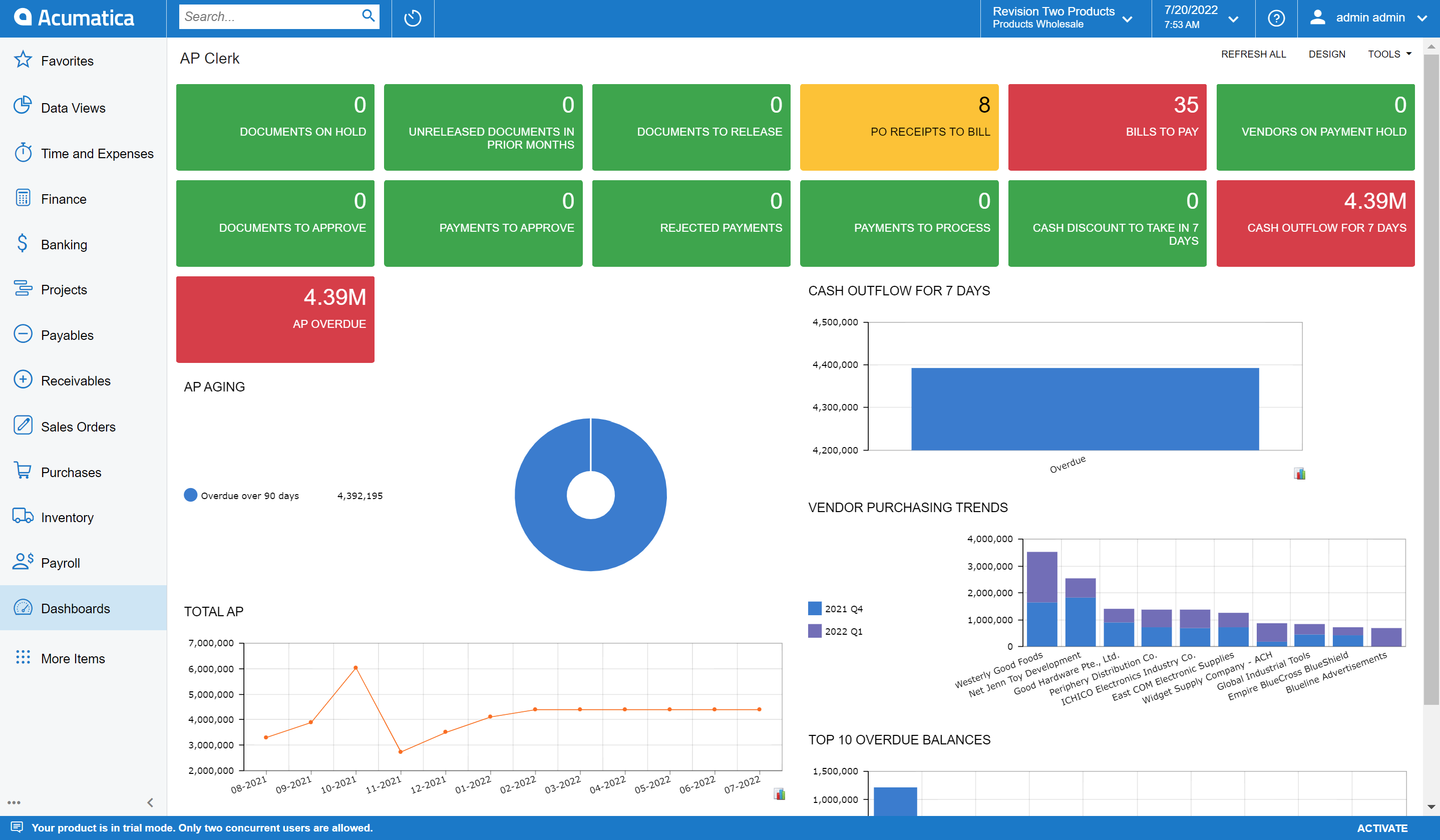
Acumatica is a modern, cloud-native ERP software solution built on a flexible platform that allows for deep industry-specific customization. It is unique in the market for its consumption-based pricing model, which focuses on the volume of transactions rather than the number of users in the system.
Reference: Acumatica Cloud ERP - Overview
Why it stands out in 2026:
-
Enhanced AI-driven insights
-
Improved industry-specific modules
-
Faster system performance
-
Advanced reporting capabilities
-
Better mobile accessibility
Pros:
-
No per-user pricing limits
-
Highly customizable
-
Strong ERP functionality
Cons:
-
Implementation can be complex
-
Requires partner support
-
Not beginner-friendly
Pricing: Based on transaction volume rather than user count.
Reviews: Very fast speed. Cloud software, so it can be accessed remotely. Also, it is easy to be customized according to your company’s needs. Praised for its flexibility and user-friendly interface.
-
Rating breakdown: 2/5 on average, Veronica R
Why we like it: It encourages team-wide collaboration by not charging for extra user seats. Acumatica supports growth without penalties. It adapts to business complexity. Great for mid-market companies.
CEO John Case, Acumatica: Our secret to success is making software easy to use and fostering a vibrant community. We allow SMBs to modernize their systems without being penalized for growth.
10. SAP – Intelligent Financial Management for Global Performance.
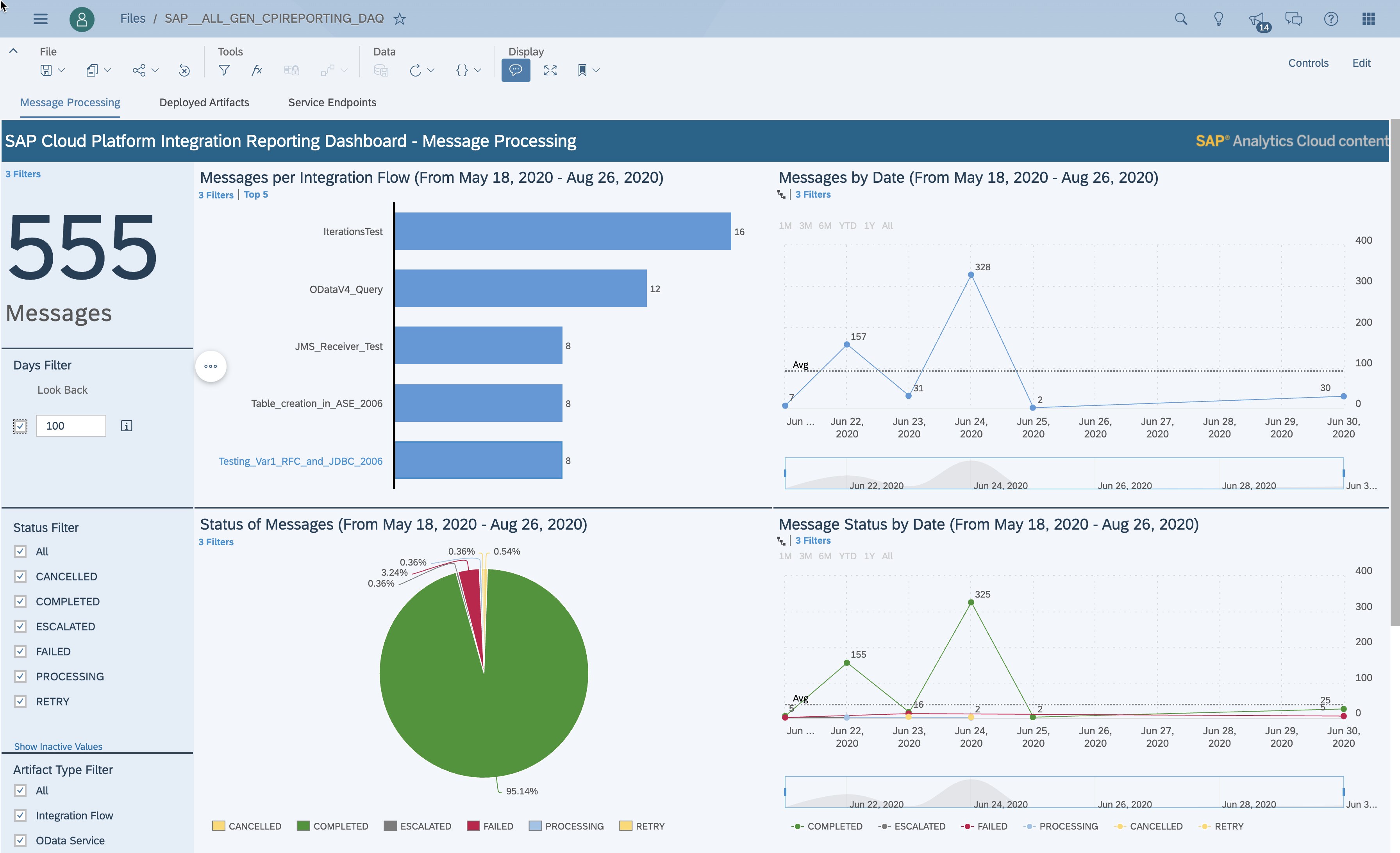
SAP S/4HANA Finance is the industry leader for large-scale, global financial management. It provides a Live data foundation that allows the world's largest companies to run in real-time, handling massive transaction volumes with absolute precision and regulatory compliance.
Why it stands out in 2026:
-
AI-powered financial planning
-
Advanced global compliance automation
-
Real-time enterprise analytics
-
Deeper cloud-native performance
-
Improved user experience
Pros:
-
Enterprise-level scalability
-
Strong global compliance support
-
Advanced analytics
Cons:
-
Very high cost
-
Long implementation timelines
-
Requires skilled teams
Pricing: Custom enterprise pricing.
Reviews: The global standard for financial accuracy and performance.
-
Rating Breakdown: 4/5 good, oshank prajapati
Why we like it: It provides 100% accuracy for companies where even a small error can cost millions. SAP handles complexity at scale. It’s built for global performance. Unmatched enterprise reliability.
CEO Christian Klein, SAP: AI can give a beautiful sales pitch, but it's human beings who need to understand how to position it. We provide the 100% accurate data foundation that AI needs to work magic.
Comparison Table of the Best Accounting Software Companies in USA | Expert Insights by SaaS Adviser (2026)
|
Software |
Best for |
Price (Starting) |
|
QuickBooks |
Growing Businesses |
$19/mo |
|
Oracle NetSuite |
Modern Enterprises |
Custom |
|
Sage |
Mid-Market Industry |
$124.42/mo |
|
Xero |
Cloud-First Teams |
$5/mo |
|
FreshBooks |
Service Businesses |
$8/mo |
|
Kashoo |
Small Business |
$20/mo |
|
MS Dynamics 365 |
Connected Ecosystems |
Tiered |
|
Zoho Books |
Smart Automation |
$8.32/mo |
|
Acumatica |
Resource-Based Scaling |
Custom |
|
SAP |
Global Corporations |
Custom |
Pro Tip:
Before committing to an accounting software cost, always utilize the free trial to test the Bank Feed integration with your specific local bank. This is often where the most time is saved or lost.
Key Innovations Transforming Finance
The accounting software market size reached USD 21.56 billion in 2025 and is forecast to climb to USD 33.47 billion by 2030, translating into a 9.2% CAGR over the period. The top accounting software of 2026 is defined by several key technological shifts:
-
AI and Machine Learning: Systems now learn your spending patterns and can flag anomalies or suggest tax deductions automatically.
-
Cloud-Based Platforms: Real-time collaboration between you and your accountant is now the standard for popular accounting software.
-
Blockchain and Instant Payments: Integration with digital ledgers is speeding up the invoice-to-cash cycle from weeks to seconds.
-
ESG Reporting: Modern finance software for business now tracks carbon footprints and social impact metrics alongside profit and loss.
Conclusion
Choosing the right partner among the many accounting software companies available is a pivotal decision for your business's future. By moving away from manual entry and embracing accounting financial software that offers automation and AI insights, you can ensure your business remains competitive and compliant. Whether you need the simplicity of FreshBooks or the enterprise power of SAP, the list of accounting software above provides the best starting point for your 2026 financial strategy.
QuickBooks remains the most widely used platform for small and medium businesses.
FreshBooks and Zoho Books offer the best balance of features and ease of use for small teams.
Xero and Acumatica provide the best scalability options as your team and transaction volume expand.
Oracle NetSuite and SAP are the industry leaders for complex, global enterprise needs.
Zoho Books offers a robust free tier and highly competitive paid plans for those watching their bottom line.
Prioritize automated bank feeds, robust reporting, mobile accessibility, and seamless integration with your other business tools.