

The concept of the distributed workforce in USA is at the center of the profound shift in the way we work that has taken place in the last few years. Organizations are moving toward a model where people can work in multiple locations anywhere in the world and abandoning a traditional office. Companies can boost flexibility, redundancy, and access to more available talent by implementing a distributed workforce.
 Looking for Remote Work Software? Check out SaaS Advisor’s List of Remote Work Software for Your Business.
Furthermore, the model provides individuals with greater autonomy and a better balance between work and life. This blog will address the definition of distributed work, its benefits and drawbacks, effective management strategies, and the top remote work platforms in USA for distributed staffing.
What is a Distributed Workforce?
A work distribution model is centered on the premise that workers don't require having to be anchored in a main office. The teams collaborate remotely from various countries, regions, or even continents now. Basic remote work which often involves temporary or part-time work-from-home policies, is not the same thing.
A distributed workplace is a distributed workplace with built-in flexibility and remote collaboration from the outset. Distributed staffing companies prioritize performance, digital tools, and communication over physical presence.
What are Distributed Workforce Benefits for Companies?
Distributed workplace, which, in fact, is what we will try to convey to you is the way that businesses of all sizes can gain a competitive advantage by being a distributed workplace.
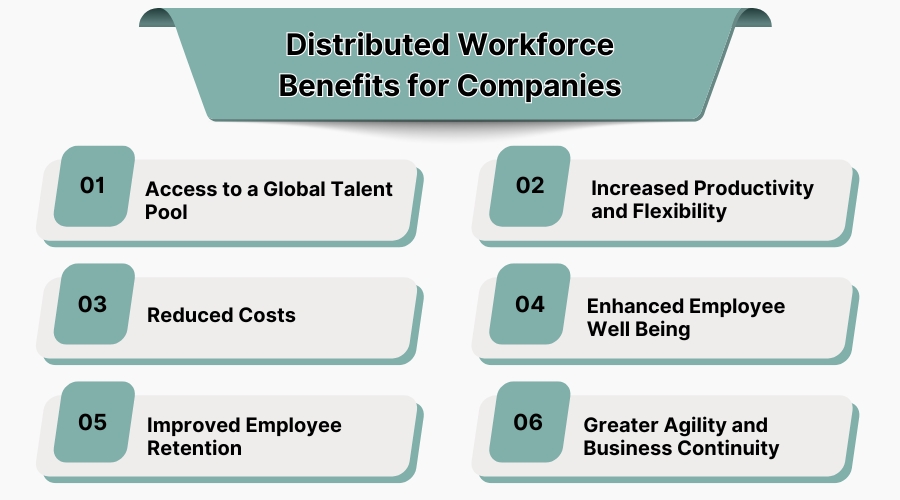
1. Access to a Global Talent Pool
Distributed businesses offer one of the key advantages in terms of access to talent, regardless of location. Access to world-class talent regardless of where they live opens up the minds of the businesses workforce.
2. Increased Productivity and Flexibility
Workers are more productive if they work during their best productivity hours if they have control of their schedules. Distributed team management enables flexibility, reducing burnout and improving productivity.
3. Reduced Costs
Office lease, utility, and commuting expense reimbursement costs are minimized through distributed staffing. The savings can be utilized for growth, technology, or benefits to employees. Many companies also rely on top virtual office solutions like Alliance Virtual Offices to maintain a professional business address, virtual mail handling, and on-demand meeting space without committing to a full-time lease.
4. Enhanced Employee Well-Being
Workers can improve the balance by eliminating rigid office schedules and daily commutes. Lower stress and better mental health are two advantages of distributed workplace arrangements.
5. Improved Employee Retention
Higher job satisfaction is linked to flexibility and independence. Workers won't seek opportunities elsewhere when they feel valued and trusted. Companies that have a distributed workforce management cite making decisions 25% quicker.
6. Greater Agility and Business Continuity
Resilience against disruptions such as pandemics, natural disasters, or local crises is made easier through a distributed workforce. Because the work is not stuck in an office location, operations can continue unaffected.
Challenges of a Distributed Workforce
Collaboration and decision-making may become affected by the time difference and lack of visual face to face communication. It may not be easy for workers to set boundaries without formal office hours, and this can mean a worker having inefficient work situations.
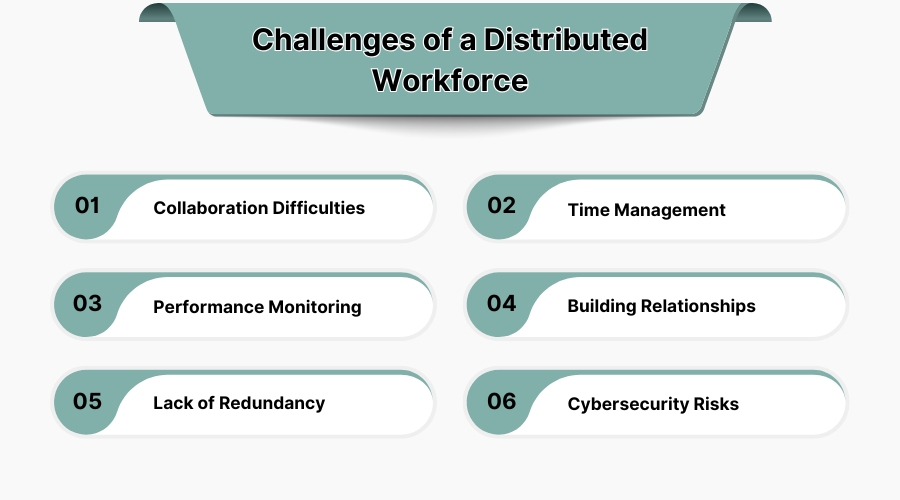
1. Collaboration Difficulties
Collaboration between various time zones and physical locations precludes real-time interaction. Delays and miscommunication can take place in the lack of transparent instructions. According to experts, a lack of in-person communication makes it harder to build rapport and innovate
2. Time Management
Employees can have difficulty establishing a routine without set office hours. Overworking or wasting time may occur. Time zone coordination is a common pain point. It is hard for remote workers to cooperate without proper planning.
3. Performance Monitoring
Measuring productivity is more intricate in the case of spread-out teams. Managers must shift toward measuring employees by results instead of body presence. Instead of repeatedly checking on their teams, leaders should set clear objectives and common dashboards, then concentrate on the results with them.
4. Building Relationships
Direct interactions tend to establish trust at a quicker pace, but in a spread-out workplace, this requires conscious effort through virtual activities and frequent communication. Direct interactions tend to establish trust at a quicker pace, but in a spread-out workplace, this requires conscious effort through virtual activities and frequent communication.
5. Lack of Redundancy
With some team members missing, the impact on projects can be disproportionately affected. Creating backup systems and role-sharing becomes a necessity. In a fully distributed companies, the risk is that no one is on-site to jump in or that knowledge isn’t shared widely.
6. Cybersecurity Risks
Remote access raises the risk of cyber attacks. Robust security policies, multi-factor authentication, and data encryption are essential to protect company resources. Guarding company data when people are dispersed is challenging but essential.
How Do You Manage a Distributed Workforce?
Organizations must emphasize culture, technology, and communication to manage remote teams. It is important to make sure that collaboration technology is utilized, that expectations are set and communicated, and reporting mechanisms are clear. Regular employee check-ins, reward schemes, and trust from managers boost team morale and productivity.
Remote Workforce Management Tool: The size of the market was estimated at USD 4. 5 billion in 2024 and grow by a high CAGR of 9. 8% from 2026-2033 to reach USD 10. 2 billion in 2033. Strong leadership and the right systems are necessary to effectively manage a distributed workforce. These are some important strategies:
-
Open communication channels for working together.
-
Set performance objectives and measurable targets.
-
Hold regular meetings to keep teams in touch.
-
Promote flexibility while ensuring accountability.
-
Offer digital resources that simplify teamwork and project tracking.

Do You Know?
Based on research, 74% of experts believe that by 2030, dispersed workplace models will dominate the workplace. Issues with a Scattered Workforce.Dispersed work has its pros, but it also has some cons that businesses should know beforehand.
Top Remote Working Tools
The cornerstone of distributed workforce management is to have the right tools. In order for distributed businesses to succeed, the implementation of appropriate digital tools is essential. These are the top remote working tools with descriptions, features, advantages, disadvantages, and prices. Learn more about the remote working tools.
1. Zendesk Remote
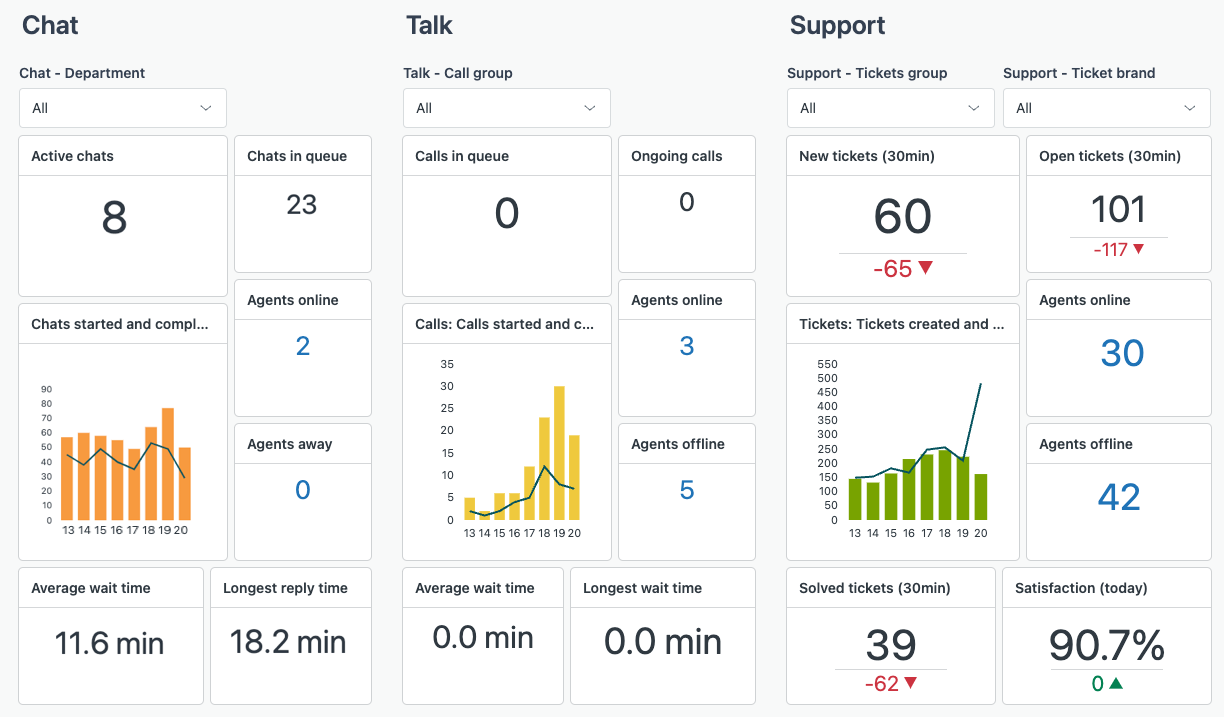
Zendesk Remote aims to simplify customer care for distributed businesses to enable smooth collaboration across various communication channels. Zendesk is a robust support platform where teams are able to handle customer interactions remotely. It is particularly helpful with distributed staffing models where agents are located remotely.
Features
-
A centralized mechanism of support
-
Multi-channel communication (chat, email, and call backs)
-
Ticket automation
-
Analysis and reporting
-
App integrations to provide flexibility
Pros:
-
Simple-to-use design
-
Flexible to any team size
-
Strong resources for support
Cons:
-
Steeper learning curve for new users.
-
Fewer offline options.
-
Startups can be pricey.
Pricing: Visit the Website for Detailed Pricing.
2. Deel
Deel streamlines payroll and compliance for staff working overseas. It allows companies to hire worldwide without delay by taking care of contracts, taxes, and cross-border payments. Deel is a single platform that allows companies to hire and compensate employees anywhere in the world with complete compliance.
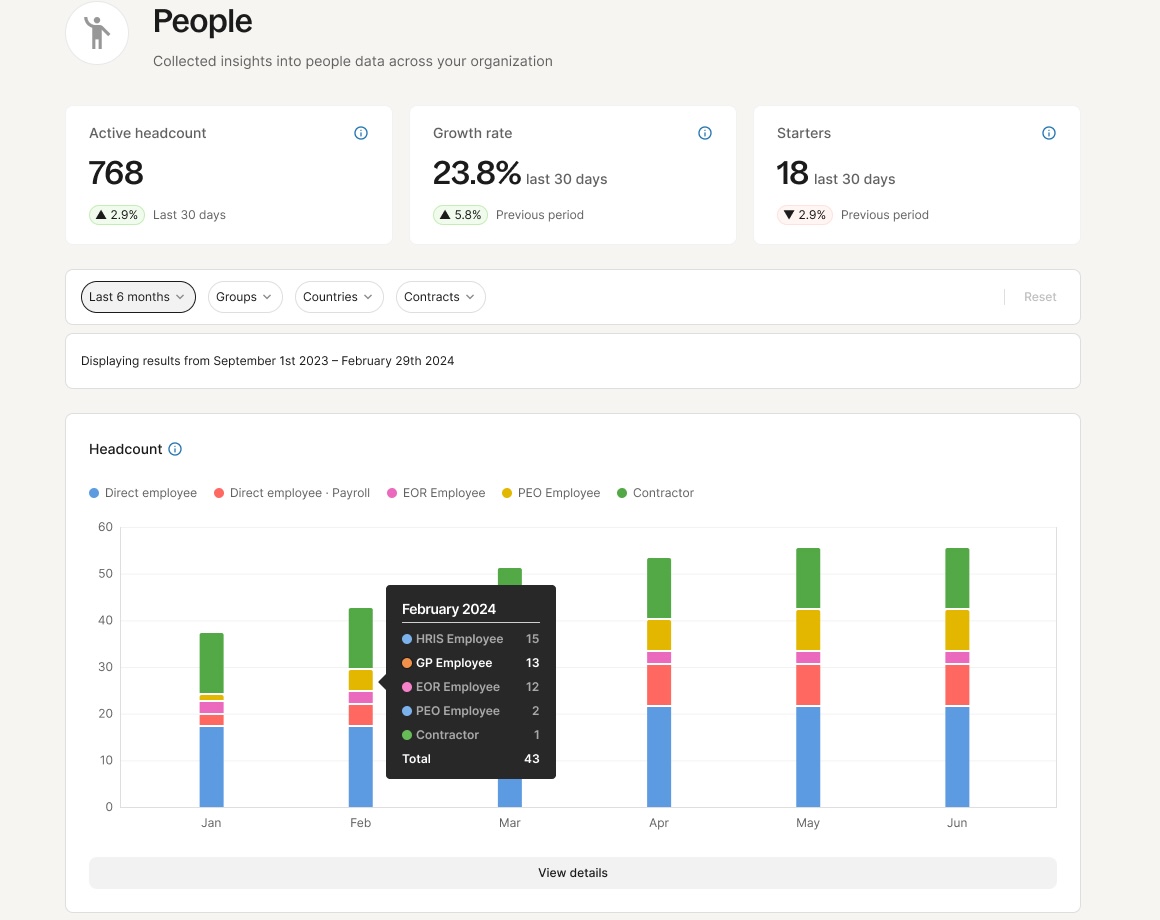
Features
-
Automation of benefits and payroll
-
Compliance with regional labor laws
-
Contractor and employee management
-
Multi-currency support for payments
-
Electronic signatures for document storage
Pros:
-
Supports over 150 countries
-
Simplifies compliance time
-
Ideal for remote-operating businesses
Cons:
-
Premium prices.
-
Limited personalization.
-
Challenging for very small businesses.
Pricing: Starting at $49 per month.
3. Nectar HR
Nectar HR complements the distributed workplace culture by increasing team morale and participation through employee rewards and recognition. Nectar HR is an employee reward and recognition software that enables teams to celebrate successes, empower peer-to-peer rewards, and cultivate a positive work culture.
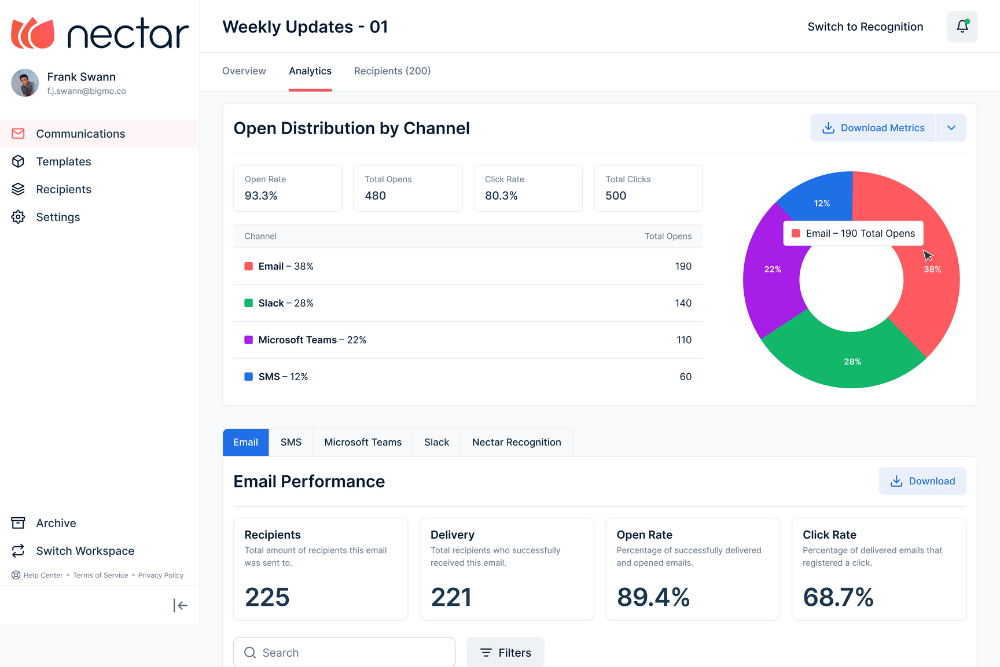
Features
-
Peer recognition.
-
A points and reward system.
-
Teams and Slack integration.
-
Engagement analytics.
-
Flexible recognition programs.
Pros:
-
Enhances employee happiness
-
Simple and intuitive platform
-
Secured app integrations
Cons:
-
A limited free plan
-
The reward catalog can be modified.
-
As volume grows, price does too.
Pricing: Visit the Website for Detailed Pricing.
4. Miro
Miro is a collaboration tool for a whiteboard that allows distributed teams to plan, brainstorm, and manage in real time. Miro offers virtual canvases for brainstorming, which are perfect for remote team creative collaboration.
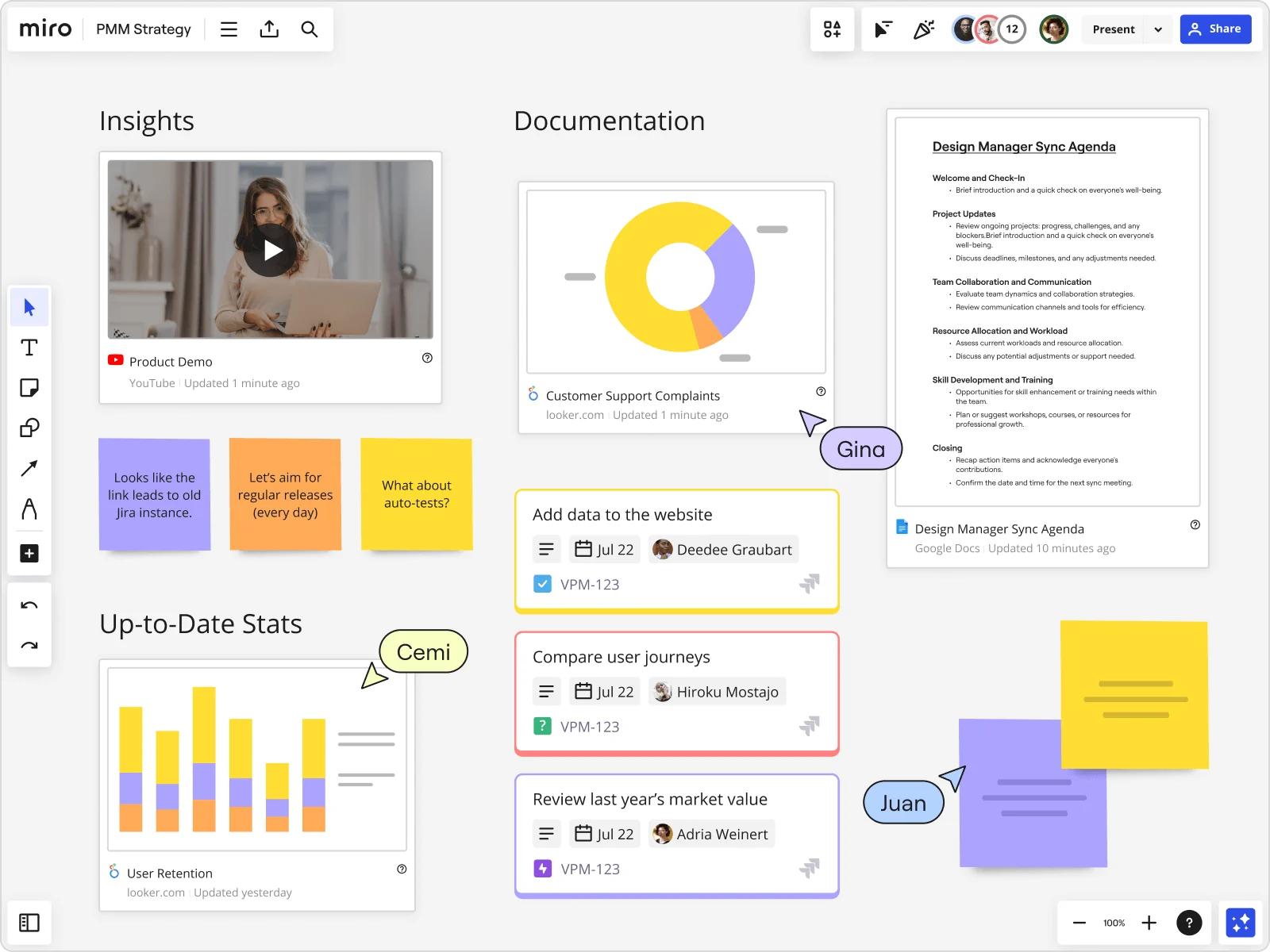
Features
-
A template-ready digital whiteboard
-
Instantaneous cooperation
-
Adhesive diagrams and notes
-
Integrations with Drive, Slack, and Jira
-
Inter-device compatibility
Pros:
-
Innovative and easy to use.
-
Wide template library.
-
Great for design teams.
Cons:
-
Too much for new users to handle.
-
Limited use of offline.
-
Larger teams result in higher costs.
Pricing: Starting at $8/mo per member.
5. GoToMyPC
GoToMyPC delivers secure desktop access for employees in a distributed workforce. Reacting to unexpected disruptions, GoToMyPC allows remote employees to easily and securely access their work desktop from any location. Removing worries of access and security, GoToMyPC lets the remote employee focus on getting the work.
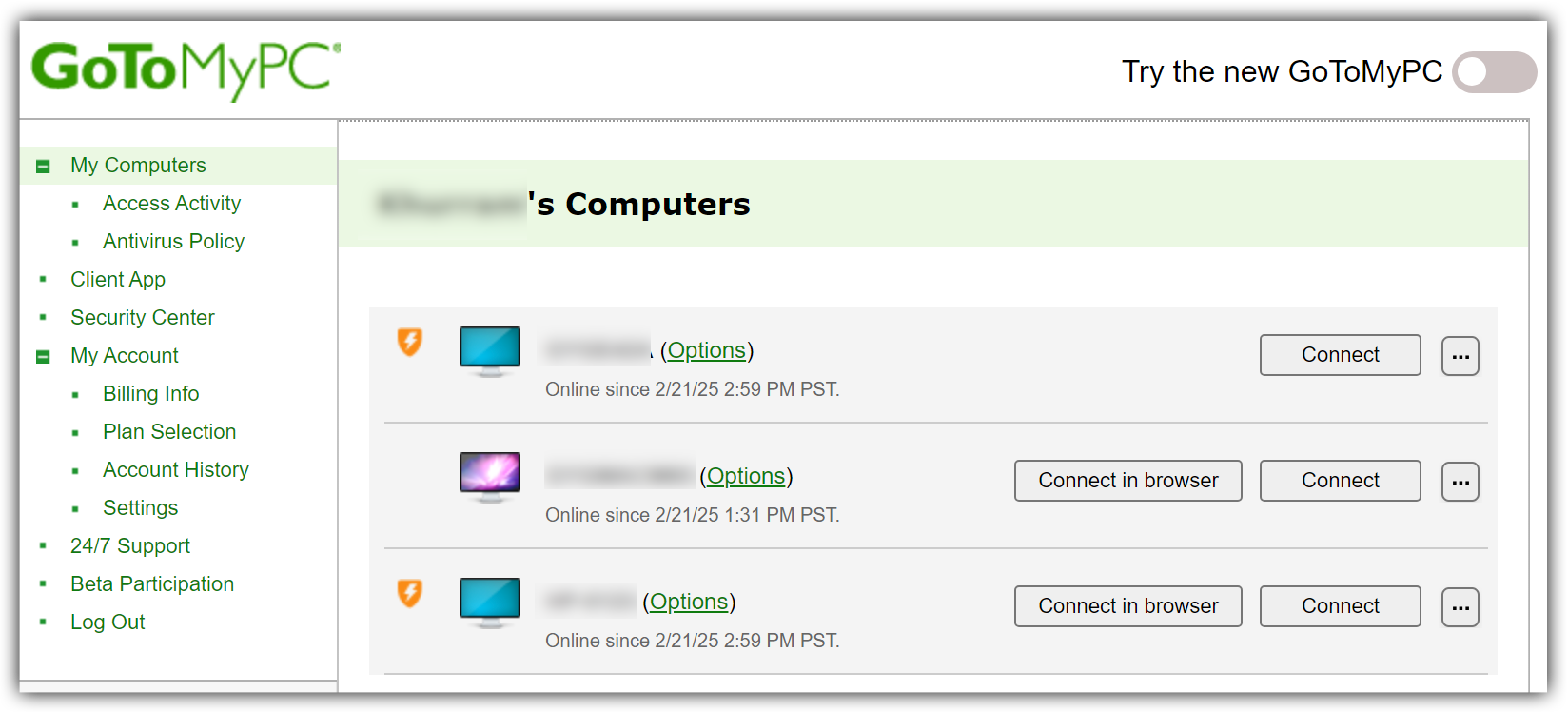
Features
-
Secure desktop access
-
File transfer between systems
-
Multimonitor support
-
Work-on-the-go app
-
Simple to install
Pros:
-
Friendly interface
-
Strong security standards
-
Reliable access
Cons:
-
Lack of advanced collaboration tools
-
Internet speed-dependent
-
More costly than some alternatives
Pricing: Starting at $19.60/computer/mo
6. Microsoft Teams
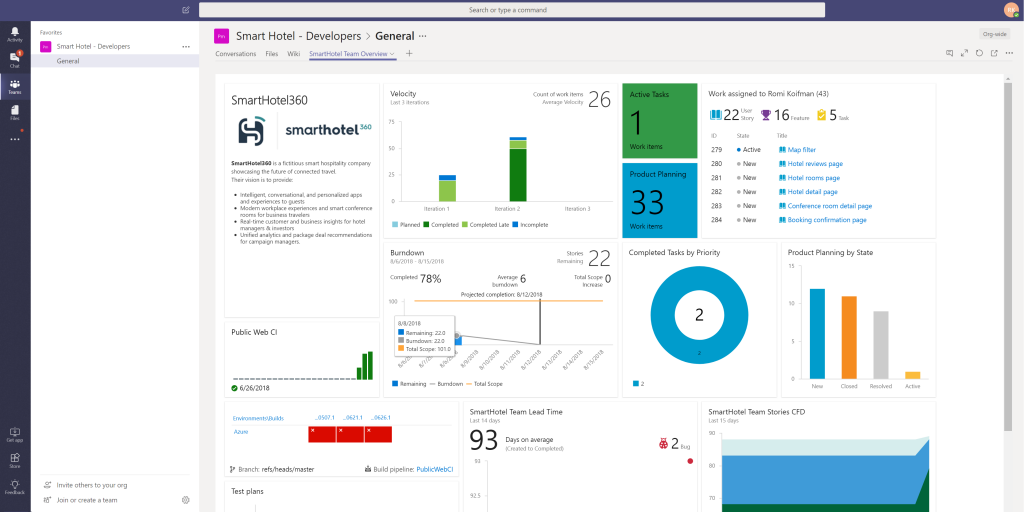
Microsoft Teams is a top collaboration platform that connects remote companies via chat, video, and project management tools. Teams is available as part of Microsoft 365 and offers communication, file sharing, and task management capabilities, making it a requirement for remote workforce management.
Features
-
Chat and video conferencing
-
OneDrive file sharing
-
Scheduling and calendar
-
Project management accessories
-
Compliance and security
Pros:
-
Strong Office 365 integration.
-
Highly scalable for companies.
-
Comprehensive communication hub.
Cons:
-
Can feel overwhelming
-
Requires the Microsoft ecosystem
-
Lagging network performance
Pricing: Visit the Website for Detailed Pricing.
Conclusion
The future of companies is a distributed workforce that is here to stay. The distributed workforce provides organizations some resilience, cost savings, and access to talent worldwide. However, there needs to be intelligent policies around challenges such as cybersecurity and teamwork so that they are supported properly.Companies can create a viable distributed workplace by using tools such as Microsoft Teams, Deel, Nectar HR, Miro, GoToMyPC, and Zendesk Remote.
A remote-in-office hybrid model, which provides employees with flexibility to divide time between the two.
An environment in which teams and resources are spread across multiple locations and are networked digitally.
It helps to maximize employee productivity, tracking, and scheduling within an organization.
Although a distributed workforce is location-agnostic, remote work simply pertains to staff that works out of the office on specific occasions..
Regardless of location, it simply refers to a coworker who works for the same company.