
Everyone pays taxes but hardly anyone understands exactly what are they. Taxation is an important aspect of many spheres in our daily lives, such as the provision of essential services as well as the creation also gives governments a tool to structure and organize their economies through tax policies. Be you an employee paying income tax, a business owner managing government tax, or just someone curious about the money that is taken away from every salary, you need to get to know the tax system details.
In this blog, we’ll break down different kinds of taxation, explore the tax codes that govern them, and explain concepts like the tax triangle and the payroll tax vs. income tax debate. Let’s dive in!

Looking for Tax Preparation Software? Check out SaaS Adviser’s List of the top Tax Preparation Software in USA for your business.
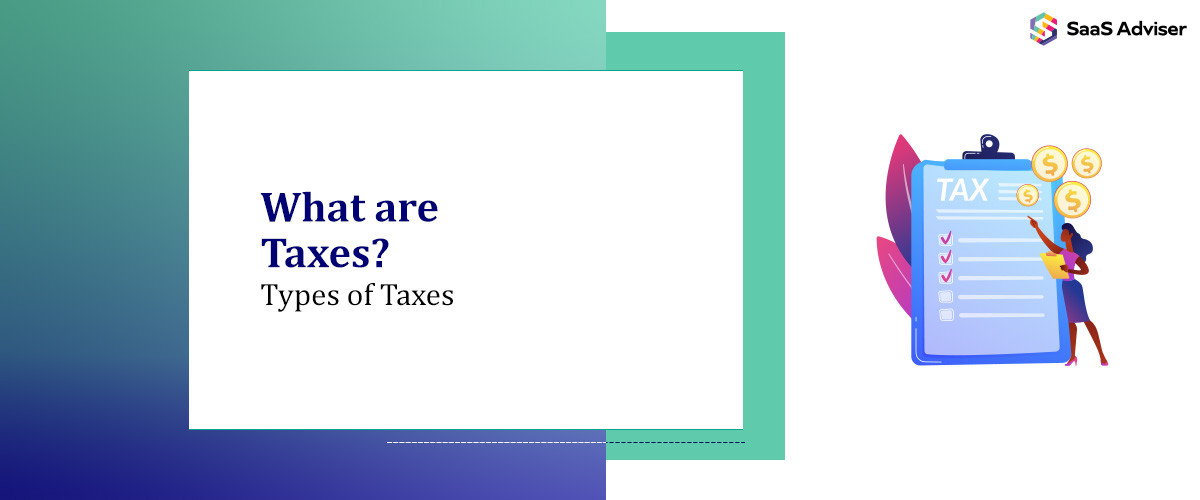
What are Taxes?
Taxation are mandatory charge imposed by governments on citizens and companies to help them provide the needed public services and infrastructure. Such taxes can be income taxes, payroll taxes, and other taxes that the government lays on goods and services.
Income, property, or purchases form the major points that tax codes use to establish how much individuals and enterprises should pay, and this is the heart of the entire American tax system. Again, an example of tax is the sales tax for retail items or even the corporate tax for profits.
Understanding different kinds of taxation is key. The payroll tax vs. income tax distinction highlights taxes deducted from wages for social programs versus those on total earnings. Different countries approach taxation differently, which in turn shapes how the taxes prescribed by law are imposed.
Taxes support economies by funding vital services such as healthcare, education, and infrastructure.
What is Income Tax?
Income tax is a legal compulsory tax that the government imposes on the income of a person or a business. It constitutes the main tax base to fund social services such as health care, education, and infrastructure.
The American tax system's income tax is controlled by the particular tax codes that are utilized to identify an individual's or a company's own tax based on their income, deductions, and tax brackets. Components such as salary, business profits, or investment income are the backbone of the tax collection process. Companies can use funds from their employees' wages to pay Social Security and Medicare, while individuals must file their income taxes annually based on their total earnings. The tax rate is not the same, there are different income levels, so the U.S. system is a progressive one—high earners pay a larger percentage.

If You Know?
Many countries, such as Bermuda, the Bahamas, and the UAE, are without an income tax. Instead, they gather revenue from the tourism sector and business fees.
Types of Taxes
Taxes difer according to your incofme, expenditure, or the ownership of property. Therefore, it would be wiser to first have a clear understanding of these taxes in order not to not have any unwanted situations in the future when it comes to the tax policy.
1. Taxes on What You Earn
A portion of the money you earn from employment, investing, or doing business is affected by these taxes. Employees who receive fixed salaries, self-employed individuals and income-earning individuals investing in the stock market, bonds, mutual funds, cryptocurrencies, or other financial instruments would be subject to one or more of the taxes.
-
Individual Income Taxes: Taxes on salaries, wages, and other earnings.
-
Payroll Taxes: The payroll taxes are taken from your wages for Social Security and Medicare.
-
Self-Employment Tax: Covers Social Security and Medicare for freelancers and business owners.
-
Capital Gains Tax: Applied when you profit from selling investments like stocks or property.
-
Bonuses, Commissions, and Other Compensation: Extra earnings are also taxed, often at a different rate.
2. Taxes on What You Buy
When you go to a store or buy something online, you are sure to be or may be paying taxes on what you purchase. These may either be embedded in the price of merchandise or be paid separately at the cash register.
-
Sales Tax: A percentage added to purchases at stores or online.
-
Excise Tax (Sin Tax): Charged on specific goods like alcohol, cigarettes, and fuel.
-
Import and Customs Duties: Taxes on goods brought from other countries.
-
Tourism and Travel Taxes: Extra charges on hotel stays, flights, and rental cars.
3. Taxes on What You Own
Even after earning and spending, certain taxes apply to assets and property you possess. These can affect homeowners, vehicle owners, and even those inheriting wealth.
-
Real Property Taxes: Levied on homes, land, and commercial properties.
-
Personal Property Taxes: Applied to movable assets like cars, boats, and business equipment.
-
Estate Taxes: Tax on a deceased person’s total assets before distribution.
-
Inheritance Taxes: Paid by heirs when receiving an inheritance (varies by state or country).
Why Do We Pay Taxes?
The reason we pay our taxes for the country's development is to fund health, educational and other infrastructure projects and to enable our society to keep operating properly. Through the provision of public safety services, the creation of economic stability and the financing of social programs, they ensure that everybody gets to have a better life. Tax is our collective share in the growth and happiness of the country, and it is through the assistance governments can offer that individuals could not afford or manage that governments can provide such programs. Although nobody feels good giving money they have worked hard for to others, taxes are the means privy to society to function orderly and fairly.
What is Tax Triangle?
The Tax Triangle refers to the three key components that taxation—tax-deferred, taxable, and tax-free income impacts. It helps individuals understand how different types of income are taxed and which financial goals, especially retirement, they should plan for.
What is the Difference Between Payroll and Income Taxes?
Payroll tax vs income tax—what’s the difference? If you know, let us make you a clear understanding
Payroll taxes are taken from your paycheck to fund Social Security and Medicare. For example, if you earn $3,000, a portion goes directly to these programs.
Income taxes are applicable on all types of income, including wages, bonuses, and business income. To illustrate, if you earn $50,000 per annum, the government will deduct the portion according to your tax bracket to benefit public educational institutions and transport services.
While payroll taxes have fixed rates, income taxes vary depending on how much you earn.
Conclusion
Taxes do play an important role than just removing money from your salary—they support a complete society. One of the explaining factors here is why Central Government should spend its money on education, healthcare, environment, etc. Applicable taxes ensure that governments can provide essential services. Be knowledgeable about the basis of tax and those you are charged to enable you to be financially wise.
Understanding the contrast between payroll and income taxes, the function of the American tax system, and how different taxes affect people and companies can help you with your financial planning and tax obligations. Although payment of taxes is inescapable, learning more about them gives you power over your money!
Income tax, property tax, sales tax, corporate tax, payroll tax, and excise tax are what governments levy on people to earn money for public services and infrastructure.
In USA, there is a progressive tax system which means taxes will rise higher with income. Federal income taxes are calculated on the basis of tax brackets, with higher earners paying more taxes as a percentage of their income.
Federal income tax is collected by the federal government and part of it is used to finance national defense, healthcare, the social security system infrastructure and educating the public among part-time employees.
Both are regressive taxes applied at a fixed rate. Sales tax charges a percentage on purchases, just like a flat tax applies a single rate to all taxpayers, regardless of income.
Individuals and businesses report earnings annually and pay taxes based on their income and applicable tax brackets. Employers also withhold payroll taxes for Social Security and Medicare.
All U.S. citizens, residents, and certain non-residents with taxable income must file and pay government taxes based on their earnings and financial activities.
Tax delinquency occurs when an individual or a corporation fails to pay taxes on time, and they will thus be enforced with fines and interest may even potentially be prosecuted.

.jpg "How Cloud Accounting Software is Transforming Business Finances in USA")