
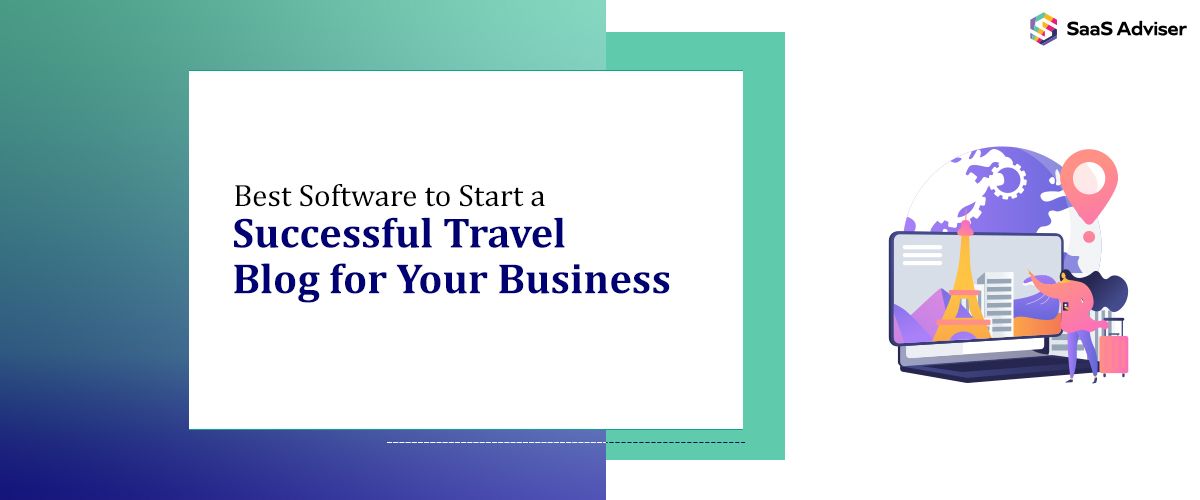
There are quite a lot of trials and errors one will experience when starting a travel blog. From choosing the wrong website platform to applying for monetization too early, newbies do it all in the first several months. Only then will you understand how to do your research, pick a website host, edit photos, and much more, setting up your travel blog for success.
Thankfully, resources like this guide can help you figure out what you need without spending unnecessary amounts of time and money at the very start. And as your blog grows, you will start treating it as a business, investing more when needed.
So, here are the best software and tools to establish and develop your travel page — in categories.
Website Hosting

The first thing you do after realizing that you want to write about your U.S. travels is pinpointing the best website hosting service. Many bloggers make a rookie mistake during this step and go for the most common provider. Yet, these can be self-hosted, which is not really suitable for non-savvy users because you have to understand a lot of technicalities.
Modern hosting services, however, allow for simple models, where you choose a suitable name, pick a template, and assemble your blog in a user-friendly constructor. The process is incredibly straightforward. Remember that a good webpage needs:
-
a clean design;
-
an “About” page;
-
a “Contact” page with your social media links;
-
high-quality photos;
-
a browsing option;
-
a clear, unified post structure.
If you’ve been working with another host, most services provide free migration. So, in case you’re new, go to a user-friendly hosting provider and avoid complex experiments, or else you might feel discouraged early on.
Competitive Research
Even new bloggers know about SEO. SEO, or search engine optimization, is key to promoting your content smartly. Travel bloggers also use SEO tools, but not everyone understands what their popularity is about — the internet is full of cool buzzwords lacking clarity.
When it comes to individuals creating travel content, certain software can help you rank your posts higher in popular search engines. For example, if you are writing about the top-5 hiking spots in the U.S., you can start by doing competitive research. This means you’ll use the tool of your choice to find related keywords and LSI words. By including them in the post, the search engine will recognize the post as high-quality and push it higher in the search. Thus, your potential readers will be more likely to click on it and read, bringing more traffic to your website, more email leads, and a better chance for monetization.
Additionally, you can add links to the text to connect your posts. This is called internal linking, and it helps promote your other posts, establish topic relevance, and highlight the important pages for the reader. External linking, on the other hand, is when you link to other sources in your blog posts. It’s important to use only high-quality sources, as this will hint at the quality of your own website.
Once you’re done, the SEO tools will provide important metrics and data about your blog performance. Then, you can tweak and change your tactics according to the results. If your goal is to transform your blog into a high-ranking business, creating SEO-oriented content is the key. Just as travel bloggers use SEO and analytics to find profitable topics, Airbnb investors now use financial tools like Hybrid STR loans to turn data on occupancy rates and rental yield into real borrowing power.
Staying Connected
There’s one thing a travel blog always comes with, and that is traveling! Whether you’re focusing on the U.S or going abroad, it is important to stay connected and update your blog accordingly. Using the hotel and coffee shop Wi-Fi is free, but it can cause safety-related issues, such as data theft. For bloggers who travel frequently, applying travel fraud prevention methods, such as using VPNs and secure payment gateways, is essential to protect both their content and finances. Moreover, not everyone stays in busy hubs — some locations might not have any Wi-Fi connection at all.
That’s when your mobile internet comes in. Start by getting an eSIM card for the U.S. or an international one for connectivity. With that, you don’t have to purchase new SIM cards and switch them every time you travel, as eSIMs are a tool built into your smartphone. All you have to do is choose a suitable plan, and you’re all set to comfortably update your travel blog at any time. Mobile connection is a lot safer, and you can even set up a hotspot for other devices, if needed.
Creative Writing

Well-written content is the key to achieving success with your travel blog. Luckily, many tools can assist you in creating high-quality posts and articles. Writing software can do anything these days: refine your texts, propose new topics, check the grammar and spelling, show how much similar content is online, and much more.
Note that many of these tools tend to be rigid with their suggestions and, as a result, your text may sound less human. Use them wisely, and make sure that everything you post is still interesting and engaging, not just suitable for high ranking by search engines.
It is also recommended that you read other travel blogs and join writing communities. Reading other texts can help you find other writing styles, spot new engaging tactics, and understand how to create better content for your own website.
Photo Editing
We no longer just post photos to social media. Now, we have to set a shot, find an appealing angle, check the lighting, and edit the picture to ensure that it’s good enough for the feed. The same goes for online blogs, be it lifestyle or travel.
When you write about scenic locations, however, beautiful photos are often a driver for readers. They support your content visually, proving the point of the text. For instance, if you’re writing a review for the most popular restaurant in LA, readers will be more engaged by seeing the exterior, interior, how your order was served, and so on. Without the photos, they will be more likely to search for the photos somewhere else, giving another blogger or platform their time.
You don’t have to learn much about professional photography, though. Just get some basic photo editing tools (free or paid, depending on your available resources) and make a sincere effort to create presentable visual content for your blog. Similar to website building, most photo editing applications are user-friendly — you don’t have to know anything about it to start.
Content Planning
Not all blogs post on a schedule, but planning your content can be a great approach to growing an audience. If you post weekly, for example, every Friday, your dedicated readers will know when to visit your website for new interesting insights. You can use simple calendars to manage projects, and then transfer already written and edited posts to the blog management service.
The latter publishes social media and blog content at a set time and date and collects helpful analytics you can use in the future to refine the process. So, whenever you want to take a break, your blog can stay active: you can write and plan posts in advance, and set the schedule through the service.
Email Marketing
In addition to SEO-optimizing your content, you can try email marketing to drive traffic. Even if your marketing list is small, it is worth trying free versions of various email marketing software to see how they work out. To grow your leads, create checklists, guides, and exclusive content you can lock behind an email registration. This will help your readers feel included and give you more leads to work with.
But what does an email marketing tool provide? It helps you create new campaigns, automate the whole process, and then analyze the results. It allows you to create professional-looking emails without any coding experience, as well as personalize content to match your readers’ interests. Once your user base grows, you will also be able to segment it into several groups based on the topics they read, demographics, and other criteria to provide more tailored ads and proposals.
Make sure you explore and compare several email marketing services before settling, as even popular choices online might have a steep learning curve.
Ready to Grow Your Blog?
Starting a travel blog doesn’t have to be hard — many tools and software can help you at different steps of the process. First, you can pick a good website hosting platform and design a blog that’ll match your preferred style and target audience. Then, you can use SEO and text editing tools to compose engaging posts that’ll drive traffic to your blog and push your webpages to the top of the search engine results.
To always stay connected, invest in tools that’ll allow you to manage your blog even when you’re abroad without any safety issues. And if you want to plan posts in advance or take a break without messing up a posting streak, content planning tools will be your friend. Last but not least, prepare supporting visuals with photo editing software, and send out professional emails with email marketing tools, and you’re ready. The whole toolkit is in your hands!