
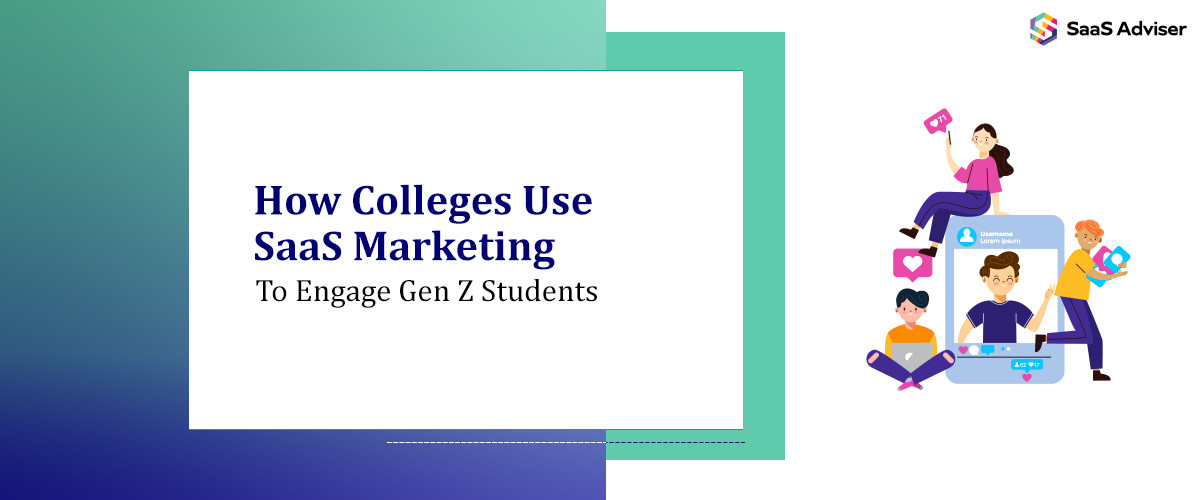
How Colleges Are Using SaaS Marketing Tactics to Reach Gen Z
College marketing doesn't work like it used to. Students ignore email blasts. They scroll past ads without a second glance. Most don't even bother opening brochures unless it's for the aesthetic.
What grabs their attention? Smart UX. Clean design. Personalized digital experiences that actually feel like someone tried. That's where colleges are shifting, quietly picking up tactics from SaaS. and leveraging a College Management System to streamline communication and engagement.
From landing pages to lifecycle emails, schools are borrowing from tech marketing playbooks to speak Gen Z's language. Not perfectly. Not always fast. But enough to feel the shift happening in real time.
Gen Z Has Changed the Rules of Campus Marketing
This generation doesn't read something just because it's in their inbox. They don't care that your open house is "exciting." If it's not skimmable, mobile-friendly, and relevant to their exact interests, they're gone.
They've grown up online, trained to block out salesy messages and spot inauthentic content from a mile away. They've seen better UX in a food delivery app than on most college websites. They expect personalization. They expect speed. They expect it to feel real. So when they Google something like someone write my essay for me, they don't want a clunky page with five fonts and a broken form. They want a clean design, clear options, and a fast next step.
That same mindset applies to how they engage with colleges. The smoother and more intuitive the experience, the more seriously they take the brand behind it.
That's why SaaS marketing matters here. It's built for people who don't wait. It's meant to turn casual browsers into paying customers, or in this case, into future students. These systems aren't about shouting louder. They're about listening better.
For colleges, that means adopting tools and tactics that help them track interest, respond to behavior, and guide students through a digital journey that doesn't feel like a chore.
What SaaS Marketing Gets Right and Why Colleges Are Paying Attention
The beauty of SaaS marketing is that it doesn't waste time. It speaks clearly. It works behind the scenes, using logic and data to build meaningful touchpoints.
Colleges are finally catching on. They're running email funnels that respond to behavior, not just timelines. A student clicks on the psychology program? They'll get a follow-up email with a video tour of that department, not a generic "thank you for visiting" note. Here are some key trends.
-
A/B Testing Is Becoming Standard
Schools test email subject lines, call-to-action buttons, and even the tone of voice. It's all about finding out what actually connects. Some are building "choose your journey" landing pages that let students navigate by personality, goals, or values instead of filtering through endless menus.
2. SaaS Marketing Brings an Obsession with Smooth UX
Every click, scroll, or form fill is part of a flow. And when that flow feels effortless, students trust what's on the other side. That's how brands win in tech. Colleges are learning that it works the same in education.
3 The Way Colleges Tell Stories Is Changing
They're highlighting micro-experiences, like a single student's startup journey or a niche student organization, and turning those into full campaigns. It's not flashy. It's focused. And it feels more human.
Email Campaigns That Don't Feel Like Spam
Students don't read emails that sound like they were written by a committee. They skim, delete, or just ignore. To get through, colleges are learning to build email campaigns like a SaaS company would: based on actual behavior and segmented interests.
For example, instead of sending one mass email about application deadlines, they send targeted ones. If a student showed interest in environmental science and downloaded a scholarship guide, the next email might be about a climate-focused research program.Similarly, a student researching academic support might receive targeted content about finding a qualified math tutor or accessing tutoring resources on campus. Not just personalized but relevant.
The tone matters, too. These emails feel more like texts from a real person. Casual, helpful, no fluff. Gen Z doesn't mind automation, but it better not feel automated. That's where colleges used to fail. Now, they're learning tone is part of the tech stack, too.
Landing Pages That Look Like Startup Sites
Visit a college landing page today, and you might be surprised. Some of them feel like they were built by a SaaS startup. Bright visuals. Clear CTAs. Mobile-first layouts that don't overwhelm with text.
What works? Interactive flows. Instead of asking students to dig through dropdowns, the page asks a few simple questions.
Video is key here, too. But not polished drone shots of campus. Think student-made clips, TikTok-style content, and unscripted moments. These pages aren't about perfection. They're about connection.
Using Automation Without Feeling Robotic
Automation doesn't have to feel cold. That's a core principle in SaaS marketing. And it's what colleges are starting to apply when they build onboarding-style email flows, SMS reminders, or chatbot sequences.
When done well, automation helps students feel supported. They might get a text reminder about a virtual tour they signed up for, or a chatbot might help them schedule an advising call in under two minutes. You can even offer quick access to student loan services through the same system, helping students get information about repayment, eligibility, or applications without added stress. It's not flashy. But it reduces friction, and Gen Z is all about low-friction experiences.
The trick is making sure the automation doesn't get in the way when a real question comes up. That's where human fallback support matters. SaaS companies know this. Now, colleges are learning too.
Smart Retargeting: Ads That Actually Fit In
Retargeting has always been part of tech marketing. But for colleges, it's new. And surprisingly effective when done well.
Instead of running banner ads with 'Apply Now' plastered in bold, schools now show Instagram Story ads featuring real students talking about why they chose their program, often analyzing the Instagram story viewer order to understand engagement. Or YouTube ads that follow up based on the specific major pages a visitor viewed.
Retargeting flows can feel seamless when they're matched to behavior. A student watches a dorm tour on YouTube and then sees a mobile ad offering a one-on-one virtual tour with a current student. That kind of flow mirrors the best of SaaS marketing, and it feels intuitive rather than intrusive.
Sample Student Retargeting Flow
Here's what a smooth, SaaS-inspired campaign might look like from the student side. Every step is part of a bigger story.
-
A student clicks on a TikTok showing dorm life at University X. It's casual and fun, maybe filmed by a current student. The vibe feels personal.
-
Then, they visit the school's site and check out the media studies program. They scroll through the course list, read a few bios, and maybe watch a department video.
-
Later, the student sees a Snapchat ad about the student radio club. It's short and playful, tied to their interest in media without feeling like an ad.
-
They get a short email about creative internships tied to media majors. It's personalized, not generic. Maybe it includes a student success story or faculty spotlight.
-
The student signs up for a campus Q&A with current media students. It's low-pressure, virtual, and easy to attend. And now they're one step deeper in the funnel.
Metrics That Matter: Borrowing KPIs from SaaS
Schools used to track open rates and click rates and call it a day. Now, they're looking deeper. Scroll depth. Exit points. Bounce timing. It's not just about traffic.
This mirrors how SaaS marketing teams think. They don't just want clicks. They want conversions, retention, and lifetime value. Colleges are applying similar thinking: If a student fills out a lead form but never opens the follow-up, where did the process fail?
And they're learning to test and tweak based on that data, not just instinct. It's a shift from campaign-first thinking to funnel-first design.
Where Colleges Fall Short and What They Still Don't Get
Some schools still miss the point. They automate everything but forget to make it feel human. They redesign their website but the copy still sounds like a brochure from 2002. They run ads but don't follow up with anything useful.
Gen Z notices. They click away quickly. And that attention is hard to win back.
What colleges need to understand is that SaaS marketing isn't just a set of tools. It's a mindset. It's about being responsive, flexible, and willing to test, fail, and try again. Most schools aren't built that way. But the ones that adapt will stand out.
What Students Can Learn from SaaS Marketing
For students in marketing, UX, or communications, this shift is a goldmine. You can study your college's funnels and campaigns in real time. You're watching strategy play out every time you get a follow-up email or see a retargeted ad.
This is also a great way to build real-world skills. Try designing your own funnel for a student org. Use free tools to test landing pages or set up email flows. You'll learn the logic behind campaigns faster than you would in a textbook.
And for those curious about the tech world, SaaS marketing offers an entry point that's creative, data-driven, and deeply human.
Conclusion
Colleges are adapting slowly but surely. They're borrowing from SaaS marketing because it works to attract more students and to actually connect with them in a way that feels current.
Gen Z expects more from brands, and schools are learning they're brands too. The shift isn't perfect, but it's happening in landing pages, in inboxes, in TikTok ads that don't look like ads.
For students, this is more than just clever marketing. It's a real-time lesson in how strategy, storytelling, and design come together to create something that sticks.
If you're paying attention, there's a lot to learn here. Maybe even your next project idea is already sitting in your inbox.