
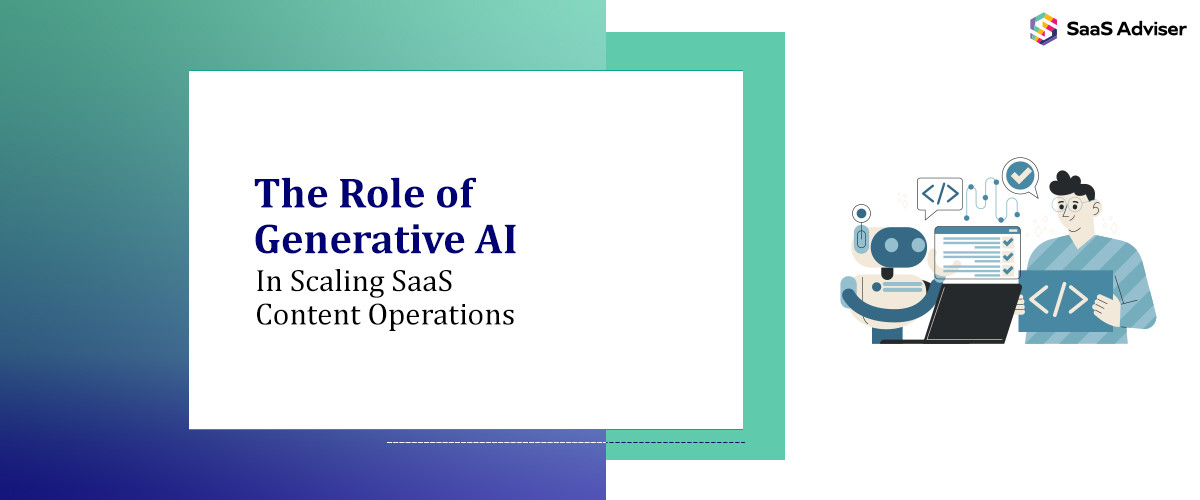
Generative AI is shaking up the way SaaS teams handle content operations - think less slogging through drafts and more automating the boring parts, generating first passes, and personalizing at scale. Instead of grinding away at every blog or email, you can lean on AI tools to keep the content wheels turning and avoid bottlenecks.
This tech is a lifesaver for SaaS companies scrambling to keep up with growth. It supports everything from onboarding docs to marketing assets, freeing up your team for actual creative work and strategy while AI churns through the volume.
If your goals are efficiency, consistency, and a bit more breathing room in your content ops, generative AI is worth a look. Let’s dig into how you can put it to work and what to watch out for along the way.
Why SaaS Companies Are Struggling to Scale Content

SaaS companies need a steady stream of sharp content to attract and educate users, but keeping up is another story.
Some common challenges include:
-
Resource constraints - rapidly growing SAAS companies can be stretched thin at the best of times.
-
Quality Control - Maintaining quality when pushing lots of content can be very difficult to maintain.
-
Pace of Production - Producing content quickly is everything in SAAS, either keep up with the latest trends or get left in the dirt.
Subject matter experts are usually tied up with their main jobs, which slows down approvals and makes publishing a slog.
Without solid processes, coordinating across teams is messy. Repurposing old content? That’s often trickier than it should be.With competition heating up and algorithms always shifting, it’s tough to know what’ll actually hit. Investing in content at scale can feel like a gamble if you’re not sure what’ll stick.
What Is Generative AI and Why Is It Relevant Now?
Generative AI uses powerful algorithms to spit out text, images, and more by learning from mountains of data. In content, it’s all about large language models (LLMs) and natural language processing (NLP).
LLMs have been trained on so much text that they get grammar, context, and meaning, letting them generate surprisingly coherent and relevant responses.
Lately, faster hardware and better research have made these tools way more useful. Real-time content generation isn’t just hype anymore - it’s actually practical.
For SaaS teams, this means you can automate content at a scale that just wasn’t possible before. Keeping things consistent, updating info, and cranking out more content doesn’t have to eat up your whole week.
Key benefits:
|
Aspect |
Traditional Methods |
Generative AI |
|
Speed |
Manual, time-intensive |
Automated, rapid |
|
Consistency |
Hard to maintain |
Easier with automation |
|
Scalability |
Resource-limited |
Scales efficiently |
Generative AI tools are getting easier to use, too. You don’t need to be a developer to plug them into your process, which really lowers the barrier to entry.
The Real-World Impact of Generative AI on Content Ops
AI tools are letting teams whip up blog drafts, product updates, and support docs in a fraction of the usual time. What used to drag on for days can sometimes be knocked out in hours, freeing people up for bigger-picture stuff.
Automating the routine writing means you can roll out personalized email sequences to huge lists - without losing that consistency across all your channels.
Key benefits include:
-
Faster content production cycles
-
Lower operational costs
-
Consistent brand voice
Here’s a quick look at what changes with AI in the mix:
|
Task |
Traditional Process |
With Generative AI |
|
Blog Drafting |
8-10 hours |
1-2 hours |
|
Email Sequence Creation |
6 hours |
1 hour |
|
Help Doc Updates |
4 hours |
30 minutes |
Teams are even using AI to keep FAQs and docs up to date as products evolve.
That lag between a product change and new documentation? It shrinks, sometimes dramatically.
You can scale your output without always hiring more people. It’s a big deal if you want to reach new markets or support more users without stretching your team to the breaking point.
Hiring Becomes Easier
Another key benefit of generative AI in the content ecosystem of SAAS companies is it is no longer necessary to hire out a content write, editor, publisher, formatter, and so on - the majority of this can now be handled by one person who is well-versed in AI.
This does, of course, mean that hiring the one person does become harder as they will need more skills, but once in place it makes things a lot easier.
How Generative AI Supports Every Stage of the Content Lifecycle
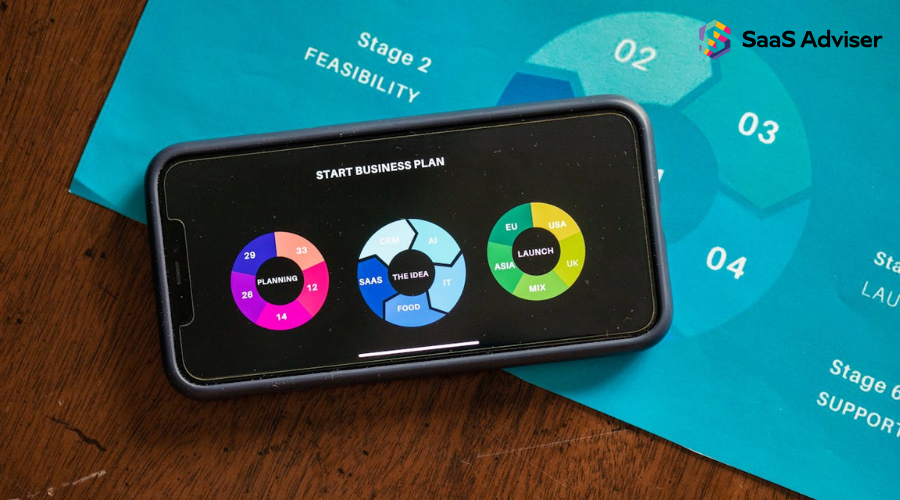
Generative AI isn’t just for whipping up blog post drafts quickly - it can also be used for topic ideation, formatting, keyword research, and so much more:
-
Ideation
-
Drafting
-
Editing
-
Refreshing
Integrating AI at each step means your workflow can flex and adapt as your goals shift - or when something unexpected pops up.
Scaling Without Sacrificing Brand Voice
Speed is great, but if your content sounds like a robot, what’s the point? Keeping your brand voice front and center is non-negotiable, and yes, plenty of folks worry AI will make everything bland.
Here’s how you can keep things sounding like you:
-
Customized prompts: Be specific when telling the AI what you want - include tone, style, and those little quirks that make your brand yours.
-
Style guides: Spell out your preferred language, formatting, and voice in a guide everyone (and every AI) can follow.
Don’t skip the human review - this part is absolutely critical. Editors can catch weird phrasing, fine-tune the language, and add those little touches that make content feel genuine.
When AI and humans work together - and you keep feedback flowing—your content can scale up without losing what makes it yours.
Consistency and careful editing keep your brand voice intact, even as you ramp up production.
Human + AI: The Hybrid Workflow That Actually Works
The sweet spot? Let AI handle the first drafts and grunt work, while you (the human) focus on editing, strategy, and making sure everything lines up with your goals.
Use artificial intelligence for research, outlines, and that all-important first pass. It speeds things up, especially when you’re trying to scale fast.
As a human editor, your job is to:
-
Check AI output for accuracy
-
Make sure tone and messaging fit
-
Add context and insight
-
Format everything properly
Here’s a simple hybrid workflow:
|
Step |
AI Tasks |
Human Tasks |
|
Topic Ideation |
Suggest topics |
Approve and prioritize |
|
Draft Creation |
Generate outlines, drafts |
Review for relevance |
|
Editing |
Correct grammar |
Refine style, add insight |
|
Final Review |
Check guidelines |
Ensure brand alignment |
You get the best of both worlds: AI does the heavy lifting, but humans keep things sharp and on-brand.
It’s a practical way to scale up without letting quality slip through the cracks.
Of course, over time this becomes more refined - AI taking over more of the work, while the system learns and the human keeps things in check.
Common Pitfalls and How to Avoid Them
Leaning too hard on AI can make your content sound repetitive or, worse, generic. That’s why mixing in human insight and subject expertise is key.
Skipping quality checks? That’s asking for trouble - errors and inconsistencies sneak in fast. Set up a QA process with real editorial review and fact-checking for every piece, no exceptions.
Publishing AI drafts straight out of the box is risky. Always have a human polish things up before hitting publish.
Quick tips to dodge the usual traps:
-
Make sure experienced editors review final drafts
-
Run plagiarism checks on AI output
-
Refresh your prompts and templates regularly
-
Pay attention to audience feedback for quality issues
Sticking to these habits helps you keep standards high, even as you ramp up your SaaS content with generative AI.
The Future of AI-Driven SaaS Content
Generative AI is only going to keep getting better and better.
The rapid advances in tech, along with people becoming better and better at prompting, mean that it’s only a matter of time until most of the process is completely automated.
Looking forward, you can expect to see a few things:
-
AI content generators are used in the majority of SAAS content, if not already the case for many SAAS businesses
-
Generative AI becomes an expert at understanding brand tone and voice, allowing it to be used across content on different platforms
It’s clear now that it’s only a matter of time until generative AI is the key lever in SAAS content strategies.