
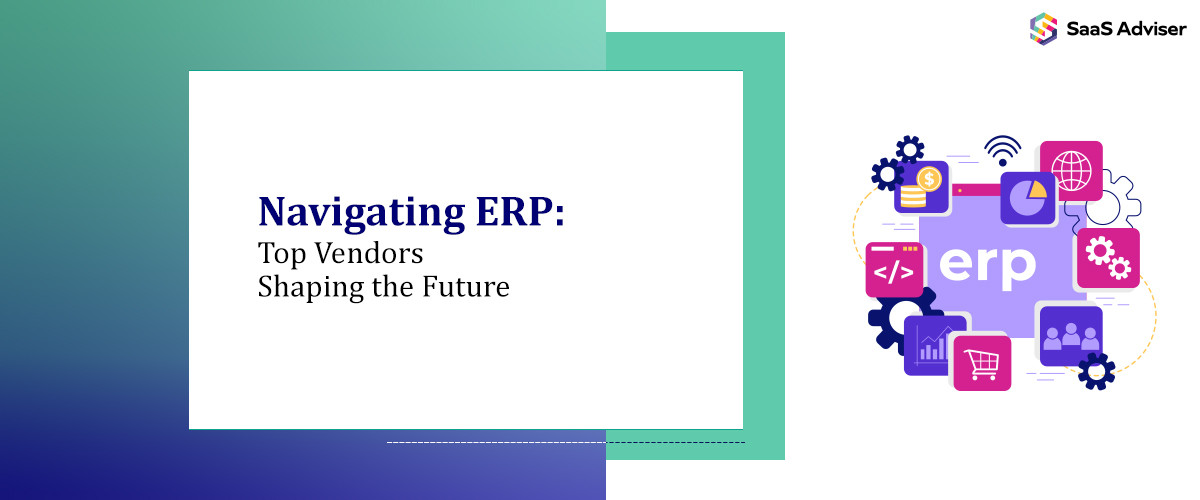
If you’ve spent even a day in manufacturing, you know how intense it gets. Between last-minute supplier issues, shifting schedules, and the pressure to keep production on track, it’s a constant juggle of priorities and moving parts. That’s where ERP systems step in. Don’t let the name—Enterprise Resource Planning—scare you off. These tools are built to bring calm to the chaos by pulling all your business processes into one streamlined platform.
Imagine having finance, HR, inventory, and production all on the same page. No more scrambling through spreadsheets or chasing updates across departments. ERP software lets you see the whole picture in real-time, helping you catch problems early and keep things running smoothly.
-
Combines all key operations into one system
-
Reduces manual tasks and data confusion
-
Helps teams collaborate and stay aligned
-
Designed with manufacturing in mind
-
Offers real-time visibility across the board
-
Adapts and grows with your business
In this guide, we’re diving into the erp top vendors leading the way in 2025. Whether you're replacing a legacy system or looking for your first ERP, this breakdown will help you make a confident, informed choice.
Why ERP Still Matters in 2025
ERP has been around for years, but today’s versions are smarter, faster, and more flexible. Thanks to AI, cloud technology, and mobile-friendly designs, these systems have gone from back-office tools to essential drivers of business success.
For manufacturers, that’s a big deal. You need to know what’s happening on the floor, in your inventory, and across the supply chain—all in real time. With a good ERP, you’re not reacting to issues after they happen. You’re getting ahead of them.
And because everyone’s working from the same set of live data, decision-making becomes faster and more accurate. Less guesswork. Fewer delays. Better results.
What to Look for in a Top ERP Vendor
.jpg "Look for in a Top ERP Vendor")
Choosing the right ERP partner can make or break your implementation. You want someone who doesn’t just offer features—they understand your business and stick with you through the ups and downs.
-
Manufacturing Focus: Your vendor should understand how your shop floor really operates.
-
Cloud Flexibility: You’ll want the option to access data from anywhere.
-
Smart Features: Look for AI, automation, and built-in analytics.
-
User-Friendly Design: The simpler it is to use, the quicker your team will adopt it.
-
Strong Support: You’ll need responsive service, especially during rollout.
-
Scalable Structure: Your ERP should grow with you, not hold you back.
It’s not just about digitizing what you already do. The right ERP helps you do it better.
Top ERP Vendors in 2025
Let’s take a closer look at the vendors getting it right in the manufacturing space:
1. SAP
Built for large enterprises, SAP’s S/4HANA Cloud is all about speed, security, and global capabilities. It’s a heavyweight with deep customization options and strong supply chain tools.
2. Oracle
Oracle Fusion ERP and NetSuite give you options whether you’re big or mid-sized. Their platforms shine in finance, automation, and scaling as you grow.
3. Microsoft Dynamics 365
Already using Office or Teams? This ERP plugs right in. It’s user-friendly, flexible, and integrates seamlessly with other Microsoft tools.
4. Infor
Infor’s CloudSuite Industrial is made for manufacturers. With built-in industry workflows and a clean interface, it helps mid-sized firms hit the ground running.
5. Acumatica
This cloud-native ERP is affordable, mobile-friendly, and built for growth. Its pricing model is transparent, which smaller teams appreciate.
6. Epicor Kinetic
If customization, IoT, and real-time dashboards matter to you, Epicor has your back. Great for manufacturers who need flexibility and detailed tracking.
7. IFS Cloud
IFS is the go-to for asset-heavy industries like aerospace and construction. It combines ERP with project and service management, all in one.
8. Workday
Known for HR and finance, Workday is stepping into manufacturing by supporting project-driven workflows and workforce analytics.
9. Sage X3 and Intacct
Sage X3 caters to large manufacturers, while Intacct gives SMBs solid financial tools. Both are flexible and growing fast.
10. NetSuite
A favorite among mid-market companies, NetSuite delivers a full suite of tools from CRM to ecommerce, all wrapped in a cloud-native design.
More Success in the Field: ERP That Makes a Difference
Here’s another example of how the right ERP choice can change the game.
Company: IronBridge Equipment Co. (Regional Manufacturing Firm, Texas)
The Challenge: They were struggling with outdated software and disconnected systems that couldn’t keep up with a growing customer base. Mistakes in inventory and delays in order fulfillment were becoming routine.
The Solution: After a thorough review of erp top vendors, they opted for Microsoft Dynamics 365. Its integration with their existing Office tools and strong reporting features sealed the deal.
The Results:
-
Improved order accuracy by 35%
-
Reduced downtime caused by inventory errors by 40%
-
Finance and operations teams now work from a single dashboard
-
Customer satisfaction scores rose within the first quarter
The company’s leadership now spends less time fighting fires and more time planning strategically. ERP, in their words, “finally got everyone speaking the same language.”
Real-World Snapshot: A Mini ERP Success Case Study
.jpg "ERP Success Case Study")
Company: Axis Components (Mid-sized Manufacturer, Ohio)
The Challenge: An outdated system was causing delays, confusion, and way too much manual work.
The Solution: They evaluated several erp top vendors and landed on Acumatica. It offered flexibility, mobile access, and didn’t break the bank.
The Results:
-
30% faster production planning
-
25% boost in inventory accuracy
-
Month-end reporting completed in 60% less time
-
Field teams could finally work fully mobile
The team didn’t just upgrade their tools—they upgraded how they work. Now they’re running leaner, smarter, and more confidently.
Buyer’s Checklist: Key Questions to Ask Before Choosing an ERP
Before you even start reaching out to vendors, take a moment to define what success looks like for your business. Are you looking to save time, reduce errors, or better manage multiple sites? Being clear on your goals can make a world of difference when comparing features.
Also, think about your company’s future. Will you be expanding to new locations? Adding new product lines? Your ERP should be able to grow with you without requiring a massive overhaul in just a few years. Ask vendors about their update cycles, scalability, and how often they release new features or improvements.
Bring these questions to the table when you're narrowing down your shortlist:
-
Does this system fit our industry and day-to-day needs?
-
Will it scale as we add locations or grow production?
-
How steep is the learning curve for our team?
-
What kind of onboarding and support is included?
-
Can it integrate with the tools we already use?
-
Are there any surprise costs hiding in the pricing?
Asking these upfront saves you headaches down the road.
Rising Stars in ERP
Looking beyond the big names? Tools like Odoo and Dolibarr are getting love for being affordable, open-source, and easy to tweak. These are great if you have in-house tech talent and want control without the enterprise pricing.
They might take more setup, but for smaller or fast-moving companies, the flexibility can be worth it.
Making the Right Choice
Choosing your ERP is a big deal—but you don’t have to go it alone. Loop in your team, take your time, and don’t be afraid to ask tough questions.
-
Map your business processes before shopping
-
Include input from across your departments
-
Take multiple systems for a test drive
-
Talk to current users and hear their experiences
-
Make sure the platform can adapt to your growth
The right system is the one your team will actually use—and benefit from.
Lessons from the Field: Common ERP Mistakes to Avoid
A lot of businesses jump into ERP with the best intentions but wind up facing frustrating setbacks—often because they didn’t know what to look out for. These are some of the most common pitfalls we’ve seen firsthand or heard from teams who’ve been through the wringer. Save yourself the stress and learn from what they wish they’d done differently:
-
Skipping training: Even great software is useless if no one knows how to use it.
-
Short-cutting setup: What you skip now will cost you double later.
-
Too much customization: Overdoing it can make updates a nightmare.
-
Ignoring usability: If the system’s clunky, your team will avoid it.
-
No rollout plan: Change is hard—have a plan and stick to it.
Avoiding these common mistakes won’t just save you time—it can make the difference between a successful ERP rollout and one that never quite delivers. Learn from the missteps of others, plan carefully, and you’ll be setting your team up for a smoother transition and stronger results.
Key Takeaways: Choosing the Right ERP Vendor for Manufacturing Success
ERP isn’t just an IT project—it’s a strategic move. The right system helps you streamline operations, empower your team, and set up for long-term growth.
In 2025, the best vendors bring together powerful tools, real industry knowledge, and hands-on support. Whether you’re just starting or scaling fast, pick a platform that makes your business better every day.
-
Go with a vendor who gets manufacturing
-
Make usability and training a priority
-
Think ahead—your ERP should last you years
-
Talk to others, and trust your team’s feedback
Choosing from the erp top vendors isn’t about trends—it’s about finding a partner to help your business thrive.