
Programmatic advertising has become a core growth channel for SaaS companies, offering automation, advanced targeting, and real-time optimization. Yet while launching campaigns is easier than ever, measuring whether they actually drive revenue remains a challenge. Many SaaS marketers struggle to connect ad spend with pipeline impact, subscriptions, and long-term customer value.
To justify budgets and scale campaigns confidently, SaaS teams must go beyond surface-level metrics and build a clear framework for measuring return on ad spend (ROAS) and overall performance. This article breaks down how to do exactly that—step by step—using the right KPIs, attribution models, and insights from a self serve demand side platform.
Understanding ROAS in a SaaS Context
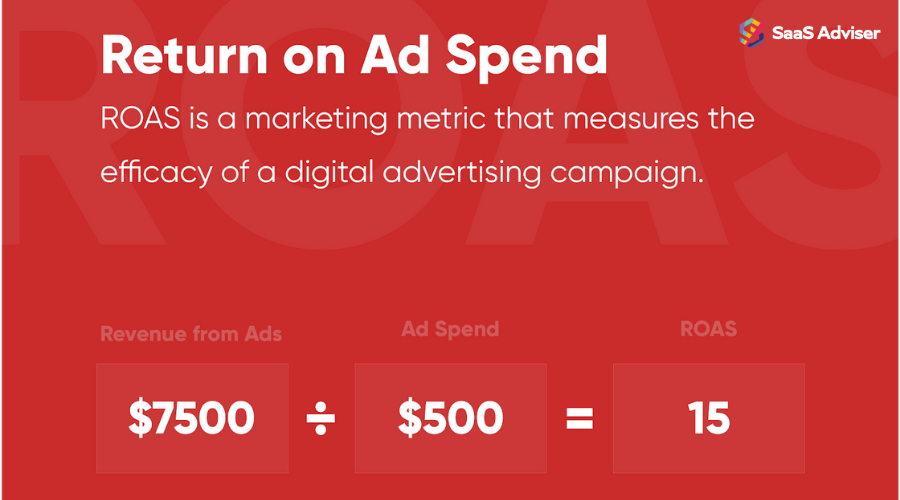
ROAS (Return on Ad Spend) measures how much revenue is generated for every dollar spent on advertising. While this sounds simple, SaaS business models add complexity.
Unlike ecommerce, where revenue is often immediate, SaaS companies typically deal with:
-
Free trials before conversion
-
Long sales cycles
-
Monthly or annual subscriptions
-
Upsells and renewals over time
This means ROAS should not always be calculated based on first-touch revenue alone. Instead, SaaS marketers often look at:
-
Trial-to-paid conversion value
-
Customer Lifetime Value (LTV)
-
Revenue within a defined attribution window
ROAS formula (basic):
ROAS = Revenue attributed to ads ÷ Ad spend
The key is defining which revenue truly reflects campaign impact.
Core Metrics That Matter Beyond ROAS
ROAS is critical, but it should never be analyzed in isolation. High-performing programmatic campaigns rely on a combination of metrics that indicate efficiency, quality, and scalability.
1. Cost Per Acquisition (CPA)
CPA shows how much you pay to acquire a new user, lead, or customer. For SaaS, this might be:
-
Cost per trial signup
-
Cost per demo request
-
Cost per paid subscription
Comparing CPA against LTV helps validate campaign sustainability.
2. Conversion Rate by Funnel Stage
Track how programmatic traffic performs at each stage:
-
Impression → Click
-
Click → Signup
-
Signup → Activation
-
Activation → Paid
Drop-offs reveal whether targeting, messaging, or landing pages need adjustment.
3. Customer Lifetime Value (LTV)
ROAS becomes far more meaningful when tied to LTV. A campaign with low initial ROAS may still be profitable if it brings high-retention users.
4. Engagement & Quality Signals
Metrics like session duration, feature usage, and churn rate help determine whether acquired users are actually a good fit for your product.
Attribution Models for Programmatic SaaS Campaigns
Attribution is where many SaaS marketers go wrong. Programmatic ads often sit early or mid-funnel, so last-click attribution alone undervalues their contribution.
Common attribution models include:
-
First-touch attribution – Useful for measuring awareness and discovery
-
Last-touch attribution – Helpful for direct-response optimization
-
Multi-touch attribution – Best for SaaS with longer buying journeys
-
Time-decay attribution – Gives more weight to interactions closer to conversion
Using multi-touch attribution allows you to understand how programmatic campaigns assist conversions rather than directly close them.
Leveraging a Self Serve Demand Side Platform for Measurement
Modern programmatic advertising relies heavily on data transparency and control. This is where a self serve demand side platform becomes essential.
Unlike managed ad buying, self-serve platforms allow SaaS teams to:
-
Access real-time performance metrics
-
Optimize bids, creatives, and audiences instantly
-
Compare ROAS across channels, geographies, and formats
-
Export raw data for advanced analytics
With a self serve demand side platform, performance measurement becomes proactive instead of reactive.
Tracking Performance Across Channels and Devices
SaaS buyers rarely convert on the first interaction. They might:
-
See a display ad on mobile
-
Click a retargeting ad on desktop
-
Convert later via email or search
To measure ROAS accurately, ensure:
-
Cross-device tracking is enabled
-
First-party data is properly integrated
-
UTM parameters are consistent
-
CRM and analytics tools sync with your DSP
This unified view prevents over-crediting one channel while undervaluing another.
Optimizing Campaigns Based on ROAS Insights
Measurement is only valuable if it drives action. Once you understand performance, optimization becomes much easier.
Creative Optimization
Analyze which creatives generate:
-
Higher engagement
-
Lower CPA
-
Better downstream conversions
Pause underperformers quickly and iterate on winners.
Audience Refinement
Use ROAS data to:
-
Exclude low-LTV segments
-
Expand lookalike audiences based on high-value users
-
Adjust frequency caps to reduce waste
Budget Allocation
Shift spend toward:
-
Channels with higher assisted conversions
-
Geographies with stronger retention
-
Formats that deliver better ROAS over time
The Role of Incrementality Testing
One of the most advanced ways to measure programmatic performance is incrementality testing. This involves:
-
Holding out a control group with no ads
-
Comparing conversion rates against exposed users
Incrementality answers the question:
“Would this conversion have happened anyway?”
For SaaS brands investing heavily in programmatic, this is often the most reliable way to prove true impact.
Common Mistakes SaaS Marketers Should Avoid
Even experienced teams make mistakes when measuring ROAS:
-
Relying only on last-click attribution
-
Ignoring churn and retention data
-
Measuring too short a conversion window
-
Not aligning ROAS targets with LTV
-
Treating all traffic sources equally
Avoiding these pitfalls leads to more accurate insights and smarter scaling decisions.
Scaling Programmatic Campaigns with Confidence
Once ROAS and performance are measured correctly, scaling becomes far less risky. SaaS companies that succeed with programmatic advertising typically:
-
Start with controlled tests
-
Validate performance with clean data
-
Use a self serve demand side platform for transparency
-
Scale budgets gradually while monitoring retention
This disciplined approach prevents wasted spend and supports sustainable growth.
There’s no universal benchmark. Many SaaS companies target ROAS based on LTV, aiming for profitability within 6–12 months rather than immediate returns.
Most SaaS brands track ROAS over extended attribution windows (30–180 days) to account for trials, onboarding, and delayed conversions.
For SaaS teams with in-house expertise, a self serve demand side platform offers more transparency, faster optimization, and better long-term cost control.
Yes. When paired with account-based targeting, intent data, and multi-touch attribution, programmatic campaigns can influence complex B2B buying journeys.