
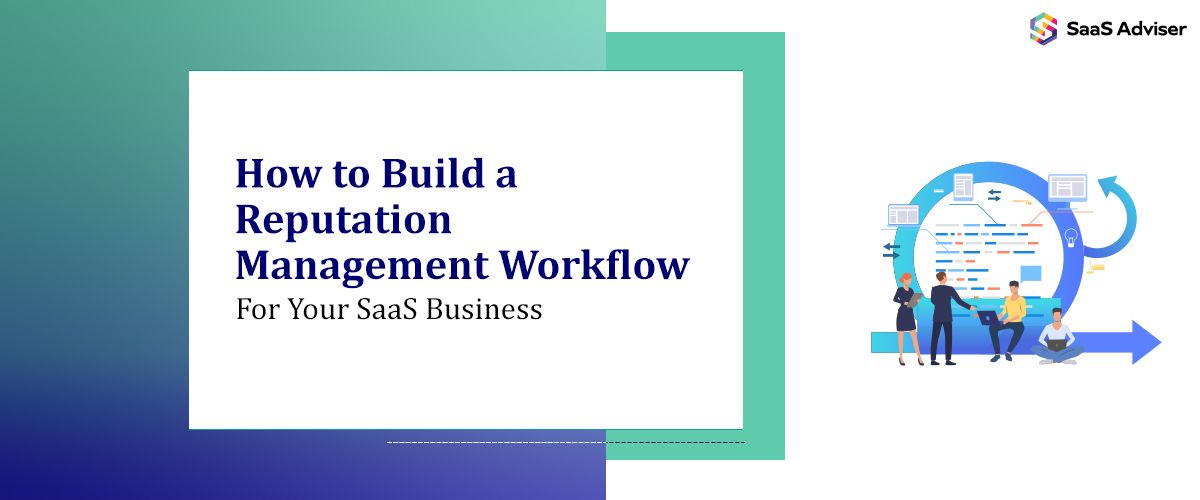
In the rapidly evolving domain of Software as a Service (SaaS), the importance of an online reputation cannot be overstated. Online reputation management is vital for businesses in the SaaS sector. Given the nature of the industry, there are specific business challenges such as concerns about the subscriptions, concerns regarding the availability of the service, and unmet expectations of the features.
When there are such challenges, the principal activity center of reputation management should be systemic. Proactive reputation management elements for a business include preset systems for the online presence mitigation of negative reviews and customer satisfaction. This piece has been put together purely to help create reputation management systems for your SaaS business.
1. Understand the Importance of Reputation Management for SaaS
Before building a reputation management workflow, recognize the importance of reputation management for your SaaS firm for the following reasons:
Customer Trust and Credibility
Trust is a key factor for all SaaS businesses.. Your customers must believe that your product will deliver what is promised and that customers’ data will be secure. A reputable and respected name is a key driver of peer trust and shifts decision-making in prospects’ favor to purchase. That’s why it’s essential to invest in reputation management early.
Impact on Customer Retention
In the context of SaaS, customer retention is vital. Results become positive, reputation stays solid, and customer satisfaction lowers churn. Satisfied customers feel heard and will remain loyal to your service, keep subscriptions, and promote your product to others.
Search Engine Visibility
Online reputation management impacts your business SEO as well. Customer reviews, social mentions, and business-related content all contribute to how visible your business is on search engines. A positive reputation earns you higher credibility on results and amount of leads, while a negative reputation lowers your credibility and pushes your business down in search results.
Mitigating the Impact of Negative Reviews
The most effective reputation management strategies face negative feedback head on. They embrace the opportunity to fix it. When customers feel unappreciated, it demonstrates a customers first approach to leads. It is the most honest form of satisfaction that can be showcased.
2. The Foundation: Set Clear Goals and Expectations
Incorporating the right goals in your workflow as first steps is reputation and the most efficient way of reputation workflow management. Setting goals assists your reputation management and ensures your team is streamlined. Below are examples of objectives you can set for your team coordinators:
Improve Customer Satisfaction: Discover the points of dissatisfaction of your customers and find resolutions in service delivery that will delight them.
Increase Positive Reviews: Persuade buyers to give testimonial support that assist in enhancing your reputation.
Monitor Brand Mentions: Periodically conduct surveillance of your brand across social media platforms, blogs, and discussion boards..
Address Negative Feedback: Determine the strategies to be employed to neonate unfavorable reviews of your service offerings.
Build Brand Loyalty: Cultivate and grow advocates of your brand who are long term and pay loyal customers.
Goals should ultimately counter the reputational objectives set. Outcomes should be tangible: more ratings, more mentions of the brand, more positive feedback from customers.
3. Establish Reputation Management Roles and Responsibilities
Creating a reputation management workflow for your SaaS business involves different teams and different people. The most important people usually are:
Customer Support Team: These people are your first and main defenders. For every positive and negative customer interaction, they will manage and engage customer relationships over every customer interaction over every interface.
Marketing Team: This and responsible for creating and sharing success stories or customer testimonials which builds the brand positively.
Product Team: the tact they are responsible for reputation management. Product updates and new features can vastly change customers opinions that can affect reputation.customer sentiment.
Social Media Manager: All functions of this role will entail monitoring and engaging customers on social platforms where the brand is mentioned. Social media surrounds users with positive and negative sentiments and serves for rapid exposure.
PR and Communications Team: This team is responsible for preemptively answering questions and conflicts that the PR team must deal with and is the public face of the company..
When the roles of everyone is defined, the chances that some of your reputation management workflow will be skipped are greatly reduced, and the teamwork improves.
4. Monitor Your Brand's Reputation
SaaS businesses begin with reputation oversight through monitoring. Negative feedback is often actionable- if you know it. Knowing what is being said about a brand is the first step in actionable monitoring of brand mentions, reviews, and feedback. Below are several viable tools and methods for reputation monitoring.
Social Media Monitoring Tools: Platforms such as Hootsuite, Mention and Brand24 track mentions of networks. It scans your brand’s mentions and conversations in social media, blogs, and even news sites.
Google Alerts: Alerts can be set up to watch your company name and key product terms so that you will be notified when your brand is discussed somewhere on the web.
Review Platforms: SaaS businesses can’t afford to miss reviews on Saasadviser, G2, Trustpilot, and Capterra. They heavily influence prospective customers and make brand reputation monitoring essential.
Customer Surveys: Surveys are a great way to gain insight directly from customers. Tools such as SurveyMonkey and Typeform streamline the process and are efficient analytical tools.
Support Tickets: Customer support help desk systems such as Zendesk or Freshdesk provide insight on what problems customers face. This feedback helps larger reputation issues.
5. Respond to Negative Reviews and Feedback Quickly
SaaS subscription services can certainly become complex and frustrating to users which may lead to an issue. While it is impossible to avoid complaints, it is how one manages such grievances that differentiates a company.
a. Acknowledge the Issue
By far the most important in the process is recognizing the issue. Customers appreciate it when they feel like their grievances is being payed attention to. Avoid indifference or def cushion the concern.
b. Apologize Sincerely
Even if it does not completely fall onto your shoulders, it does soften the hurt if one extends an apology. Make sure the customers know that their experience means something to your company.
c. Offer a Solution
If it is a case of a poorly executed service or faulty your products do define the problems and have a means of resolving it and the one they contact regarding action the company is taking. The action could be a pay refund, or a training session meant to seek a positive outcome from the grievance.
d. Take the Conversation Offline
In most instances, it is best to speak to the customer in a discrete manner. Provide a direct contact like an email or phone number to continue resolving the issue in private.
e. Follow Up
After solving a problem, contact the customer to make sure they are satisfied. This demonstrates your concern about your customers’ experiences.
Having a response protocol of this nature enables your SaaS company to minimize pain points, and, in some cases, cultivate a new, loyal customer.
6. Encourage Positive Reviews and Testimonials
A reputation management procedure should include cultivating customers to write positive notes. Here’s how to do it:
Ask for Feedback: Make efforts to obtain praise after a dedicated and successful customer experience. At what time a review is requested is very critical; gain it just after a customer appears to have had a positive experience and then seek for a review.
Incentivize Reviews: More often than note, incentives such as discounts, limited free trials or first time access to premium features encourages a customer to leave a review.
Leverage Social Media: Social Media and agile customers can be a priceless team. Ask loyal customers e.g. members who have used your service for a long time to post any good story or positive experience related to your service on Social Media.
This way, a wider reach can be created, pushing the good and positive image of the brand as more friendly and trustworthy.
Feature Customer Testimonials: Customer testimonials bolster a brand’s position. With the owners permission, they can be published on the brand’s website as well as the marketing pamphlet. Happy customers let prospects comfortable while easing any tension for the potential customers.
Make it Easy: Give customers the chance to leave the review and recommend them sample comments for easier completion.
7. Implement a Crisis Management Plan
Regardless of your preparation and readiness, some unfortunate events are bound to happen as a result of a crisis. This could be a service downtime, a data leakage, or a product that raises controversy. In such events, as an organization, your response to the situation needs to be almost surgical, swift and well planned.
This is how to perform efficient reputation recovery:
Have a Public Apology Plan: It takes almost no time to show the public that an organization has a plan to manage its reputation. Public reputation management has as main tool apologizing. Versatility and speed are the cornerstones. They work very fast to make sure that each of the concerned parties is protected.
Respond Publicly First: For the public, don’t just say that you are working to fix the problem. Tell them there is a solution and you are working to make it happen. no hint of the problem. They should not be given the impression that it is a complex issue. Make it as simple as a security issue that needs a solution.
Take Immediate Action: Whatever the situation is, fix the problem. It doesn’t matter if it is a bug that needs to be fixed, a security that has to be addressed or a service that is down, the good impression needs to be made.
Provide Ongoing Updates: As you are working to improve the situation, make sure that the public is aware of it. It is part of good public relations. It shows the people that there is a genuine flow of information that is not being filtered.
Learn from the Crisis: the next step is try to uncover the underlying issues with the way the matter was handled. What are the next steps to make the response better next time.
By being prepared and/or doing some research in advance, much of the reputation damage an organization can suffer is avoidable. It is about you knowing in advance as an organization that something negative needs to be planned and prepared for.
In cases where false or harmful content appears online, integrating online content removal services into your crisis plan can further minimize potential damage. Crisis management plan outlining the steps to protect your SaaS brand's reputation when the time comes is of utmost value.
8. Analyze and Improve Your Reputation Management Workflow
The last step in designating a reputation management workflow for your SaaS business involves consistently evaluating and optimizing the workflow. Remember to review customer feedback, sentiment shifts post-your interventions, and the general mood concerning your brand. To illustrate:
Assess the Efficiency of Your Actions: How satisfied are the customers with your resolution to the issues? What shifts in sentiment are there after interventions are made to negative feedback?
Evaluate Review Quantity and Quality: Are there more? What is the average sentiment polarities of the reviews? Is there an increase in the overall review sentiment score?
Measure the Efficiency of Your ORM Workflow: Are mentions picked up quickly enough? Are Reviewer Response Controls working to ensure proactive interactions with feedback?
To ensure proactive reputation management, an annual update of the reputation management process and its elements is critical to ensure new trends in reputation management are integrated.
Your SaaS company reputation management workflow should improve with each iteration to neutralize any issues and positively keep customer interactions.
Conclusion
Like any SaaS business, setting up your own reputation management workflow will neccessitate active listening, timely ceaction on anything a customer calls out, and constant solicitation of additional positive feedback.
It is not designed to dodge negativity, rather to master the art of feedback to gain traction. Having a proven and established workflow, your reputation management will clear the way for your SaaS business to gain trust, customer allegiance, and even excel in an ever toughening industry.
A reputation management workflow is a structured process SaaS companies use to monitor, analyze, and respond to online reviews, customer feedback, and brand mentions to maintain a positive image.
For SaaS companies, strong online reputation directly impacts customer trust, conversions, renewals, and long-term brand credibility. Positive reviews influence purchase decisions significantly.
Common tools include review monitoring platforms, social listening tools, CRM software, and automated reputation management software to track mentions, reviews, and customer sentiment.
Daily monitoring is ideal for SaaS businesses, especially on platforms like G2, Capterra, Trustpilot, and social media. Fast responses help build trust and prevent issues from escalating.
You can request feedback via emails, in-app nudges, post-support surveys, or incentives like discounts or extended trials—while ensuring compliance with platform guidelines.