
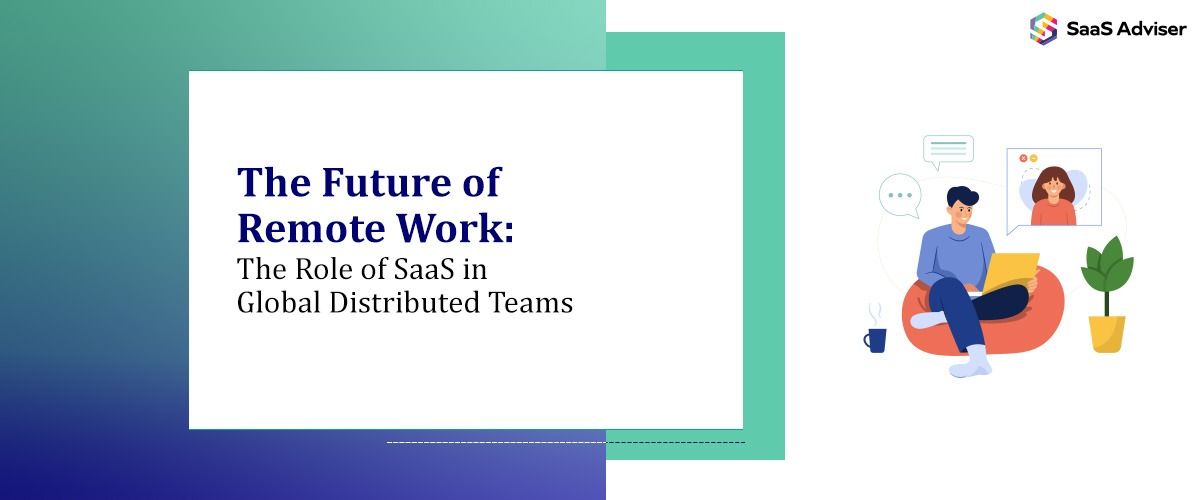
Remote work is no longer a temporary solution. It has become a defining feature of modern business. Companies can recruit talented people from all over the world without needing them to move to another country. The shift to remote work has changed the ways in which teams can work together, communicate, and grow. The traditional office has been replaced by digital spaces to work from, available online. As a result, the ability to work flexibly is no longer a benefit, but a given. The future of work is without borders, and technology provides the platform to achieve it.
SaaS as the Backbone of Distributed Teams
Software-as-a-Service (SaaS) plays a key role in enabling remote work. It offers access to tools with no need for complicated installations or equipment. Teams can work collaboratively in real time using shared platforms. From managing projects to communicating with each other, SaaS is the link that ties all aspects of a business together. It enables companies to grow quickly and adapt to changes with minimal disruption. Good accessibility means small teams can operate globally. SaaS has created a digital workplace for teams working in different locations. Its cloud-based nature provides easy ways to update, offers good cross-platform compatibility, and integrated data analytics tools that help companies make data-driven decisions and maintain consistent workflows across different locations.
Everything Moves Online - Even Unexpected Services
As more services go online, the scope of remote work is growing. Meetings and documents are no longer the only ways to work remotely. Entire industries are becoming "digital first." Even personal and legal services are adapting to this change. For example, websites like Yourforms explain how to manage matters such as divorces efficiently and clearly through the medium of the internet. There is a broader trend at play here in which ease of access and convenience take priority. SaaS is changing the way we work - and transforming our daily lives.
The Rise of Digital-First Industries
Several industries that are based on physical facilities are now completely digital. The fields of healthcare, education, and finance have quickly moved to adopt SaaS technology. Virtual consulting sessions, online learning platforms, and digital banks are now available. The transition to a digital world presents opportunities to improve access to infrastructure facilities for people living in remote or underdeveloped areas. It also provides opportunities to create new avenues of innovation and competition. The ability to adapt quickly provides good opportunities to improve. The idea of "digital first" is no longer a choice, but is becoming a standard. As technology advances, even conservative industries that had doubted the scope of digital transformation are setting up strategies to adapt to the digital world, creating cloud infrastructure and providing seamless digital experiences to cater to the changing needs of global consumers.
Convenience as the New Competitive Edge
In a world driven by speed, the importance of convenience as a differentiator is growing. Users expect to have access to services immediately and with minimal obstacles. SaaS platforms provide ways to meet these needs through user-friendly interfaces and automated tools. Tasks of varying levels of complexity can be accomplished with minimal time and effort. Businesses that focus on creating good user experiences are able to stand out from the competition in busy markets. Convenience is not just a feature - it is a strategy to fuel business growth and customer loyalty. Companies creating smooth digital paths for their customers and eliminating obstacles can enjoy high levels of engagement, good customer retention rates, and strong brand trust in the increasingly competitive digital world.
Communication Without Borders
Good communication skills are needed for distributed teams. SaaS platforms offer features such as instant messaging, video conferencing, and asynchronous updates. Despite time zone differences, the facilities enable teams to work in sync. Effective communication skills are necessary to manage remote teams. Good tools alone are insufficient to create good communication habits in a remote team. To make good use of them, teams need effective communication skills. Good communication habits, clear documentation, and regular meetings help to eliminate any misunderstandings. Good communication skills help to convert challenges into opportunities. Good communication creates a sense of transparency and trust throughout the company.
Productivity in a Flexible Environment
Discipline is necessary to be able to benefit from the flexibility of working remotely, and SaaS software provides teams with tools to maintain good order and motivation through methods that reduce the amount of manual work required, such as implementing a task management system, sharing a calendar, and having automated processes in place. By reducing the amount of time employees spend on routine tasks, they can focus on important tasks. By allowing employees to work during their productive hours, productivity can be improved, and employees can produce good results while working flexibly. To achieve a good balance between freedom and discipline needed to enhance productivity and performance, good discipline is required; and SaaS solutions can help to create a good balance of freedom and discipline to work effectively.
Building Culture Without a Physical Space
Maintaining a company culture is one of the challenges of working remotely. With no physical office to call "home", we need to create our culture with purpose. SaaS tools enable us to build a strong company culture through meaningful virtual events, collaborative workspaces, and platforms to recognize our efforts. We can identify and celebrate our achievements as teams and feel a sense of human connection even when we are working from different locations. As the leader of your remote team, you set the tone by providing clear information, being empathetic, and consistent in all your communications. Creating a strong company culture allows your remote team to feel just as connected to each other as those who work together in the same office.
Key Advantages of SaaS for Distributed Teams
-
Easy access from anywhere with an internet connection
-
Lower upfront costs compared to traditional software
-
Automatic updates and maintenance are handled by providers
-
Scalability to match team growth
-
Integration with other tools for seamless workflows
-
Enhanced collaboration through shared environments
Security and Trust in a Cloud-Based World
As everything is available online, good security practices are a major concern. SaaS providers invest significant resources to provide good data security. Data encryption, multi-factor authentication, and adherence to security standards are now common features. However, companies need to ensure how they use these tools. Providing training to employees and creating clear guidelines is essential. Good security practices can be achieved through a combination of technology and behavior. When effective security measures are in place, teams can work with confidence from anywhere in the world. Good security practices also require companies to regularly identify and address risks, update their security practices, and keep themselves equipped to deal with the challenges of evolving threats to maintain a good capacity to deal with challenges and ensure safe long-term security of sensitive business and user data.
The Human Side of Digital Collaboration
Technology enables us to work from a distance, but people are the ones who create meaning. Teams that work from multiple locations need to create opportunities to stay in touch beyond their work tasks. Informal conversations, virtual coffee breaks, and experiences of sharing can help build good relationships. Cloud-based SaaS tools can help to bridge the gaps in communication, but cannot replace good human interaction. Leaders can create a culture of openness and inclusivity. Creating opportunities for all team members to feel valued and heard. Good human connections lead to good collaboration and help to reduce feelings of isolation. Good work can be done through remote work, backed by good technology platforms. Creating opportunities to build good human relationships and create a sense of psychological safety can lead to strong and healthy relationships, create a motivated and engaged team, build our capacity to deal with challenges, and help us achieve our common goals.
Preventing Burnout in Always-Online Teams
Although remote working provides the ability to adapt your working schedule to what fits best for you, it can also create an environment where the lines between work and personal life can become blurred. Many employees may experience increased pressure to always be available for work-related matters. This creates an ever-present "always-on" culture that can lead to burnout in the future. SaaS tools can help alleviate this issue by supporting better time management and the creation of clear schedules for when employees should be working. This includes using status and setting up automated notifications to facilitate the establishment of healthy work/life boundaries. Additionally, companies need to encourage employees to take breaks and to respect offline time. The sustainability of productivity relies upon the overall well-being of employees and not just their work efficiency levels. Leaders should model proper healthy behavior in the workplace, provide reasonable expectations for employees concerning their work, and foster an environment where rest is highly valued so that employees do not feel overwhelmed or unsupported by the organisation through digital connections.
Looking Ahead: The Evolution Continues
The future of remote work will continue to evolve. New SaaS tools with advanced features and robust integrations will appear. Artificial intelligence will automate routine tasks and provide valuable insights. Virtual and augmented reality technologies could change how we build and manage teams. At the same time, we can expect increasing demands. Employees will need effective tools and greater flexibility. Companies embracing these changes will thrive. Those who resist them will find it difficult to keep up. The transformation is not short-term- it is a long-term one. Companies will need to maintain their ability to adapt, keep trying out new technologies, and reform existing processes to maintain their position of strength in a highly digital and globally connected workplace.