
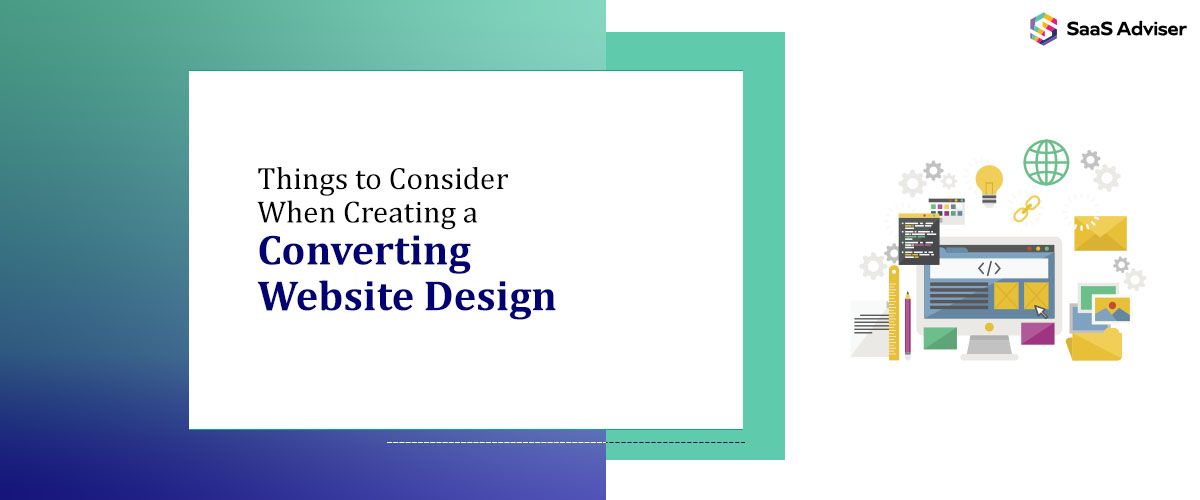
A converting website gives your business a steady flow of qualified leads, calls, and sales. When you build your website with intention, it becomes a real sales engine. And here, building trust and improving conversions require strategic decisions.
Below, you will see some of the key factors that create a really great, converting website design. You can apply these strategies whether you run a small business site, a mid-size company site, or a large enterprise platform.

Strong Brand Positioning and Clear First Impressions
The first seconds of a visit decide how users feel about your business. Your homepage must show your value, service focus, and credibility fast. Many companies turn to an expert web design agency to shape this foundation because it drives conversions from day one.
Your headline should speak directly to the user’s need. Keep it short and grounded. Explain what you do and who you help. Avoid fancy language. Users act faster when you remove complexity.
Your imagery should reflect real work, real people, and real outcomes. Stock photos create distance. Real photos create trust. Keep your visuals clean and bright. They should support your message, not overshadow it. A simple, honest visual approach increases time on the page and lifts conversion rates.
Create a Layout That Guides Users
Your layout should help users move from information to action without friction. Every page should feel pretty simple and direct and answer their expectations properly.
Use Clear Hierarchy
Strong headings help visitors scan fast and find the answers to their questions.
Here's some advice from experts:
-
Use short paragraphs to reduce fatigue
-
Break long topics into smaller sections (with meaningful subheadings)
-
Use shorter sentences to increase the readability score
This will help your readers follow the flow and gain answers without confusion and get a great user experience.
Reduce Visual Noise
Too many colors, shapes, or animations distract the user. Use one primary action color and a supporting color for secondary actions.
Also, leave some white space. A clean layout feels modern and honest, so your users can feel more comfortable taking action.
Build Trust Through Honest Content
Visitors convert when they trust a business behind the website. So one of your major goals should be optimizing your content so it reflects experience, service quality, and real proof with no confusion.
Explain your services in plain language and break longer services into short descriptions. Mention who each service helps and what problems it solves as uers want clarity. They reward clarity with higher engagement and more inquiries.
Show testimonials from clients with names and locations. Add project photos or results. Proof reduces risk. Buyers feel more confident when they see someone else trust you first. Use proof throughout your site, not only on one page. For example, as suggested by Justin Morgan, the Dental Marketing Guy, dental web design can showcase before-and-after photos of clients' smiles. This provides tangible proof of the results your services can offer.
Optimise Images for Better Page Speed
Fast websites convert at a higher rate. Slow sites push users away as according to Google, 53% of users will abandon your website if it takes more than just three seconds.
Large images slow down your pages. In fact, this is one of the most common problems is the vast majority of websites.
So use compressed files without losing clarity. Aim for image sizes that load fast on phones and desktops. This small step lifts performance across the entire user experience.
Make Mobile a Priority
Most users browse on phones. Your layout must fit small screens without friction.
A mobile-first structure pushes your site toward higher conversions. From their experience working on conversion-focused sites, a web development firm in chicago advises businesses to prioritize spacing and tap-friendly buttons when designing mobile forms. They advise businesses that mobile usability isn’t about shrinking desktop layouts — it’s about making actions simple and friction-free.
Buttons and CTAs should feel easy to read and click as they can help you get more leads and conversions.
Mobile users avoid long forms. Ask for the minimum information you need. Name, phone, email, and one service question often work well. Short forms usually bring more conversions and fewer abandoned attempts.
Drive Action With Strong Calls to Action
Visitors decide faster when they see clear prompts. Your calls to action should appear across your pages in a natural flow.
-
Use Direct Wording
Use simple commands such as Get a Quote, Book a Call, or Contact Us. These words guide users. They reduce confusion. They push users from interest to action.
-
Repeat Your Calls to Action
Place your primary call to action at the top of the page, in the middle, and near the end. Users engage at different points. Repeating the action button gives you more chances to convert without forcing the user to scroll.
-
Offer One Main Conversion Goal
One main goal can reduce decision fatigue. Every page should support that same goal. If your goal is booking calls, your design should point toward that choice. In this case, consistency plays a huge role here.
Track Data and Make Continuous Improvements
To get steady conversion throughout time, you should constantly improve your site design over time.
For example, you can use tools like heatmaps to see how people behave on your site pages and improve user experience. Small changes make large impacts. Test headlines, button colors, and layouts. Pick the versions that bring higher conversions. Simple adjustments can move your conversion rate upward.
Practical Advice for Business Owners
You shape your website into a tool that works every day. You control clarity, speed, structure, and trust. These choices help your visitors act with confidence.
Clean design performs better than fancy design. Put clarity first. Users reward clarity with stronger engagement.
Your homepage, service pages, and contact page drive the most leads. Review them often. Update content. Improve visual order. Strengthen your calls to action.
Strong Brand Positioning and Clear First Impressions
-
Keep Your Value Promise Consistent
Your homepage introduces your value, but every page must carry the same promise.
Many sites lose conversions when each page sounds different. Mixed messages create tension. A steady message creates comfort. Users must see the same focus on every main page.
Your service pages should support the same value and tone. This helps users feel grounded and ready to act.
-
Use Real Language Your Market Understands
Some websites speak in abstract language that sounds impressive but says nothing. High converting websites use clear and direct words.
If you help homeowners, speak like someone who understands home needs. Or, if you serve B2B clients, speak to business pain points. Direct communication sets strong expectations.
-
Support Your Position
With Strong Page Structure Your brand message gains strength when the layout supports it. Tight spacing near headlines keeps attention on the main message. A brief intro enhances clarity, while even spacing makes it easier for the eye to track the page.
These small layout details usually create a strong first impression which is pretty enough for user satisfaction.
Create a Layout That Guides Users
-
Improve User Flow Through Predictable Patterns
Users prefer simple patterns. Keep key elements in expected places. A logo in the top left, a menu at the top, and a clear action button in the top right. This predictable flow helps users move without thinking. When users need fewer steps to find answers, they convert more often.
-
Use Visual Anchors To Pull Attention
Visual anchors help guide your visitor to important sections. A bold heading, a short block of text, or a simple graphic can slow the scroll and reset focus. Keep anchors clean. Do not overload them with flourishes. Anchors keep users engaged, which helps your conversion goals.
-
Let Each Section Serve One Purpose
Pages with mixed messages create friction. Each section should do one job. One section explains a service. Another section builds trust. Another section guides a user to act. Clear purpose reduces confusion. Simple purpose increases action. This structure works for service pages, landing pages, and your homepage.
Build Trust Through Honest Content
Users want signs of real expertise.
Among the top examples are case studies, before and after photos, or short descriptions of past work build confidence. Keep these elements short. Avoid fluff. Strong proof comes from clarity.
Also, make sure your content answers these concerns early. Price range, process length, or expected results all matter. Address them in short sections.
When you answer questions early, users feel safe with your service. This lowers friction and improves conversions.
A converting website never sounds robotic; a website design company writes like real people, using short sentences, direct words, building trust naturally. A natural tone leads to more calls, messages, and form submissions.
Improve Your Site Speed and Performance
Large page size slows loading. Remove old plugins and outdated scripts. Replace heavy design elements with simpler elements that load fast. Every kilobyte affects conversion. A lighter site creates a smoother user experience.
Also, site speed changes as you add new content, especially images. Test your site weekly or monthly. If speed drops, fix the issue fast since the users will leave if pages lag. High-converting websites usually stay fast all year.
Key Takeaways
Creating a converting website is quite a hard thing today. It needs clear intention, clear structure, and strong communication.
Hopefully, the strategies above will help your business grow with consistency and confidence.
To make your website converting, all you need is:
-
Clear messaging
-
Fast page performance
-
An easy layout
-
And strong calls to action help direct visitors to your main goal.
These elements help users act smoothly and get converted into leads.
Review your main pages every quarter to know if you should revamp the layout, refresh service content, and tweak your calls to action. Do this by looking at user behaviour and your new business goals.
You can improve many elements on your own. Here, an expert web design agency can speed things up and help you avoid costly mistakes. They can also help you with A/B testing to increase your conversions.
Many websites ignore mobile layout and create crowded pages. Clean spacing, short forms, and easy-to-read text help mobile users act quickly.